


Table of contents
Ever feel like you’re grinding the markets but getting nowhere fast? You're not alone. A lot of traders jump in with fire but burn out just as quick—not because they lack skill, but because they're playing a style that doesn’t suit them. What Trading Style Best Suits Your Personality? That question might just be the missing piece between stress and strategy, chaos and confidence.
“Trying to trade against your nature is like swimming upstream—it’s exhausting and rarely works,” says veteran trader Mark Douglas, author of Trading in the Zone. Your trading approach should feel like a natural extension of how you think, not a daily mental battle.
In this guide, you'll break down the four core styles—position, swing, day, and scalping—and zero in on which one actually fits you. Let’s keep it real, practical, and tailored to how you really operate.

Types of Trading Styles
In a recent discussion with veteran trader and educator James Cartwright, he shared, “Each trading style is a personality in itself. Some demand patience, others thrive on adrenaline. Finding your match is not optional—it is essential.” His perspective aligns with what thousands of traders learn the hard way: success often depends more on how you trade than what you trade.
Day Trading: High-speed, intraday execution. Favored by full-time traders who monitor screens closely.
Swing Trading: Mid-term holding periods, typically days to weeks. This suits those balancing a day job and market engagement.
Position Trading: Long-term approach that follows macro trends. Often aligned with those who think strategically and dislike daily market noise.
Scalping: Ultra-fast trades for minimal gains. Requires razor-sharp focus and lightning execution tools.
Trend Following: Capitalizes on established market directions. Often paired with algorithmic support or moving average strategies.
Contrarian Trading: Profits from crowd behavior reversals. Demands emotional control and conviction.
Algorithmic Trading: Strategy coded into rules-based systems. Back-tested and powered by automation.
Event-Driven Trading: Relies on earnings, news, or geopolitical events. Requires staying updated and reacting fast.
Momentum Trading: Joins strong moves mid-stream, relying on volume spikes and short-term strength.
Arbitrage Trading: Exploits price differences across markets. Common among hedge funds with institutional tech.
Firms like CME Group and Bloomberg have published in-depth market insights showing how traders using hybrid styles—like momentum plus swing—are reshaping modern strategy. Certification programs like the Chartered Market Technician (CMT) further back the value of style clarity, helping traders verify alignment before they commit.
Knowing your fit is not about picking the most popular approach—it is about identifying the one that mirrors your mental rhythm.
Which Trading Style Matches Your Personality
Choosing a trading style that aligns with your personality isn’t just about strategy—it’s about how you make decisions, handle pressure, and deal with risks. Let's dive into how your inner traits shape the perfect fit.

Introvert vs. Extrovert Trader Traits
Introverts may prefer solitary trading that doesn’t require constant interaction. They might focus on long-term strategies like position trading, where patience and self-reliance are key.
Extroverts often enjoy collaborative trading, such as day trading in fast-paced markets or engaging in group discussions for real-time market analysis. They thrive on quick decisions and enjoy communication in trading.
Fast Decision-Making vs. Long-Term Focus
Algorithmic trading or scalping requires quick, sharp decision-making, ideal for those with a fast decision-making style.
For those with a long-term focus, swing trading and long-term investing allow for patience, strategic planning, and a focus on broader market trends.
Emotional Tolerance Under Pressure
Can you keep your cool when markets dip? Trading psychology is essential here.
If you’re prone to FOMO or greed, you might struggle with scalping or high-frequency trading. If you stay calm and disciplined, a strategy like position trading or swing trading might suit your emotional tolerance better.
Structure vs. Flexibility in Strategy
Rule-based trading (like algorithmic systems) might be perfect for those who need structure and consistency. It aligns well with a clear, strategic framework.
On the other hand, those who thrive in dynamic environments and can adapt to market conditions may enjoy the flexibility of discretionary trading or day trading, which requires on-the-fly adjustments.
Risk Time and Lifestyle Fit
Choosing the right trading style isn’t just about strategy—it’s about aligning with your risk tolerance, daily routine, and time. Let’s dive into how to make sure trading fits your life.

How Much Screen Time You Need
Too much screen time can lead to eye strain, poor sleep, and even burnout.
Here’s a simple breakdown of what to keep in mind:
Digital well-being: Balance trading with time away from screens to preserve mental health.
Sleep quality: Extended exposure to screens, especially before bed, messes with your sleep cycle.
Blue light exposure: Keep track of your screen time to prevent fatigue and mental burnout.
| Screen Time Factor | Impact on Health | Recommended Action |
|---|---|---|
| Prolonged screen exposure | Eye strain, mental fatigue | Take breaks every hour |
| Late-night trading sessions | Disrupted sleep, poor rest | Avoid trading near bedtime |
| Digital detox | Improved focus, reduced stress | Schedule regular screen breaks |
You don’t want to get sucked into the digital vortex—consider a digital detox!
Balancing Risk with Daily Routine
Trading isn’t just about profit—it’s about managing risk in your routine.
Here’s how:
Health risks: Stress can impact your daily habits, so make sure to balance work and relaxation.
Work-life balance: Trading should complement, not overwhelm, your personal life.
Routine management: Include breaks and physical activities to minimize the toll trading takes on your body and mind.
Trade smart, not just hard! Your stress reduction is just as important as financial risk.
Full-Time vs. Part-Time Trading Mindsets
Understanding how much time you can realistically commit to trading is key.
Here’s a look at both:
Full-time trading: Requires emotional control, discipline, and a serious commitment to the markets. More capital and higher stakes, but more stress.
Part-time trading: Great for people with other commitments. It demands excellent time management and a strategic approach to capitalize on limited time.
Risk management: Full-time traders may use more aggressive strategies with higher risk, while part-timers may focus on safer, lower-stake trades.
| Mindset | Time Commitment | Risk Management |
|---|---|---|
| Full-time | 40+ hours/week | High risk, larger capital |
| Part-time | Flexible (10-20 hours/week) | Lower risk, smaller capital |
| Casual trading | 1-5 hours/week | Minimal risk, safe trades |
The key? Know your capital allocation and your limits when it comes to market analysis. Trading is about managing your time and risk.
Position Trading Basics
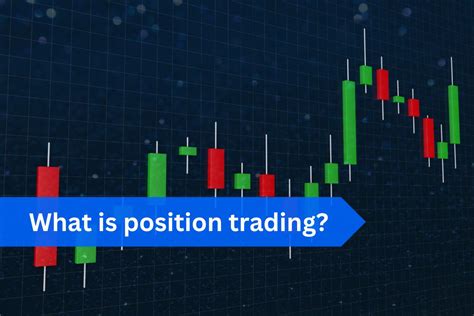
Position trading is all about long-term investments with minimal day-to-day involvement. Here’s a quick breakdown of the essentials!
How Long Trades Are Typically Held
Position trading involves holding assets for weeks, months, or even years. Traders using this style typically rely on fundamental analysis to spot long-term trends. You’re not watching your screen every minute—think of it like planting a seed and waiting for it to grow. The key here is patience.
In comparison to other styles:
Swing trading: Typically holds for a few days to a week.
Day trading: Trades are opened and closed within the same day.
| Trading Style | Typical Holding Period | Example Assets |
|---|---|---|
| Position Trading | Weeks, Months, Years | Blue-chip stocks, Bonds |
| Swing Trading | Few Days to a Week | Stocks, ETFs |
| Day Trading | Within the Day | Currencies, Stocks |
Best Assets for Position Traders
For position traders, stability and growth potential are key. Some of the best assets include:
Stocks: Blue-chip stocks and growth stocks are prime choices.
Bonds: Long-term government or corporate bonds work well for steady growth.
ETFs: Broad market ETFs, such as index funds, offer great diversification and low maintenance.
Commodities: Gold and real estate are solid options, particularly as inflation hedges.
These assets are typically less volatile, allowing for smoother long-term growth.
Swing Trading Explained
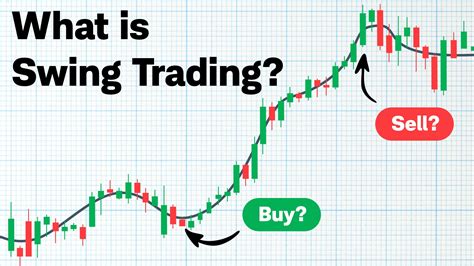
Swing trading is about catching price movements over a few days to weeks. Here’s what you need to know:
Typical Holding Periods in Swing Trades
Swing traders typically hold positions for a few days to a few weeks. The goal is to capture medium-term moves rather than quick, short-term profits. Traders might leave positions overnight, exposing them to overnight risk, or close positions after a few days, depending on the market's movement.
| Trade Type | Holding Period | Risk Exposure |
|---|---|---|
| Short-Term Trades | 1 to 3 days | Low to Medium |
| Medium-Term Trades | 3 to 10 days | Medium |
| Long-Term Trades | Over 10 days | High (overnight risk) |
Common Technical Patterns in Swings
Swing traders rely on chart patterns to time their trades. Key patterns include:
Trend Lines & Support/Resistance: Shows price action boundaries.
Reversal Patterns: Like head and shoulders or double tops.
Continuation Patterns: Flags and pennants indicate trends will continue.
Breakouts: Significant price movement beyond support or resistance levels.
These patterns help decide entry and exit points for better timing.
Tools Used by Swing Traders
Successful swing traders use a variety of tools:
Charting Software: To track patterns.
Technical Indicators: RSI, moving averages to spot trends.
Stock Screeners & Watchlists: Narrow down promising setups.
Brokerage Accounts: For fast execution of trades.
Risk Management Tools: Protect capital from big losses.
Market Conditions Best for Swings
Swing trading works best in trending markets or during consolidation phases. Ideal conditions include:
| Market Condition | Swing Trading Suitability | Additional Considerations |
|---|---|---|
| Trending Markets | Excellent for capturing big moves | Watch for strong price movements |
| Sideways Markets | Great for consolidation-based setups | Consolidation phases offer solid entry points |
| Volatile Markets | High potential for quick movements | Be mindful of risk and volatility |
| Economic Events/News | Opportunities for breakouts and reversals | Major announcements can trigger significant moves |
Pros and Cons of Swing Trading
Swing trading offers flexibility but comes with its own set of challenges:
Advantages:
Potential for decent profits with less time commitment than day trading.
Offers more flexibility with overnight trades.
Less stress than fast-paced trading.
Disadvantages:
Exposure to overnight risk.
Can require substantial capital for larger moves.
Transaction costs may eat into profits.
Decide if the trade-off works for your schedule and risk tolerance.
Day Trading Essentials
Day trading isn’t just fast—it’s strategic. These essentials show how to navigate the chaos and capitalize on tight market windows.
How Day Traders Manage Volatility
Volatility is the name of the game in day trading, but it doesn’t have to be your enemy. With sharp risk management, traders can ride the waves without getting wrecked.
Set stop-loss orders to cap potential losses—essential when price swings get wild.
Hedge your trades in highly volatile assets to offset risks.
Use real-time market analysis to detect patterns early before a major breakout or breakdown.
“Volatility is opportunity in disguise—as long as you’re prepared,” says Linda Raschke, professional trader and author.
Ideal Platforms for Day Trading
Not all trading platforms are built for speed—day traders need precision. The best platforms offer:
| Platform Feature | Why It Matters | Example Tools |
|---|---|---|
| Execution Speed | Avoids slippage | NinjaTrader, TradeStation |
| Charting Tools | Spot trends in real-time | Thinkorswim, MetaTrader 5 |
| Commission Structure | Impacts long-term profits | Interactive Brokers, Webull |
Trading Hours That Yield Opportunity
Timing is everything in day trading. The best trading hours offer high liquidity and frequent price action.
Market open (9:30–10:30 AM EST): Heavy volume and sharp moves—goldmine for experienced scalpers.
Midday lull (11 AM–2 PM): Slower, but good for calm setups.
Market close (3–4 PM EST): Another prime window with volatility spikes as institutions rebalance.
Pre-market/After-hours: Riskier due to thin volume, but can offer edge with the right news catalyst.
Always trade with a plan and a sharp eye on volatility.
What Is Scalping in Trading
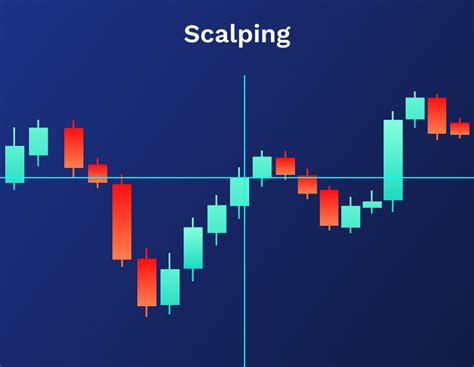
“When you are scalping,” says Jason McLaughlin, a futures trader with over 12 years of hands-on experience, “you are not looking for the home run. You are looking for a series of base hits—fast, frequent, and low-risk.” That pretty much sums up the mindset of this high-frequency, short-term trading style. Traders enter and exit positions in seconds or minutes, aiming for small profits on each move, repeated throughout the session.
Scalping thrives in markets with tight bid-ask spreads, high liquidity, and sharp intraday volatility. These traders rely heavily on technical analysis, using tools like Level II quotes, candlestick patterns, and volume indicators to find micro-opportunities in price action. Every second matters. Quick execution and lightning reflexes are not just preferences—they are survival tools.
Scalping typically involves 30–100 trades per day
Traders favor highly liquid instruments like major forex pairs or S&P 500 futures
Profit targets per trade are often just 1–5 pips or a few cents per share
Risk management is critical. Even with a high win rate, one poorly managed loss can wipe out hours of gains. As Chicago-based trading educator Linda Raschke puts it, “Your edge is not in the strategy—it is in the discipline.” Scalping is not suited for everyone, but for those wired for speed, precision, and intensity, it offers unmatched adrenaline and opportunity.
How Do You Choose the Right Style
Choosing a trading style isn’t a one-and-done deal—it’s a journey. Here's how to fine-tune your approach so it actually works with you, not against you.
Compare Your Personality to Trader Types
Not all trading styles vibe with your personality traits. Some people thrive on fast decisions, while others prefer to sit back and let the market play out.
Are you impulsive or methodical?
Do you handle stress like a boss or buckle fast?
What's your risk appetite really like?
Knowing your trader profile—from scalper to position holder—helps you align your style with your natural market behavior and emotional control.
Weigh Time vs. Potential Profit
Think of trading like dating: do you want something quick and casual, or long-term with higher rewards?
If you’ve got time daily, short-term gains (like day trading) may click.
Busy schedule? Long-term strategies offer better capital efficiency.
Weigh your opportunity cost and financial objectives—are you after adrenaline or steady growth?
| Style Type | Time Horizon | Profit Potential (%) |
|---|---|---|
| Scalping | Minutes | 0.5–2 per trade |
| Swing Trading | Days to weeks | 5–15 per trade |
| Position Trading | Months to years | 15–50+ annually |
Test a Strategy in a Demo Account
Before risking real cash, slide into the safe zone with demo trading.
Use virtual funds in a simulated environment to trial your trading strategy.
Platforms like MetaTrader or Thinkorswim offer backtesting, performance analysis, and risk-free practice.
Pro tip: Treat demo trades seriously. It builds real habits without real losses. Think of it like rehearsal before opening night.
Recognize When a Style Isn’t Working
Sometimes the trading style you picked just flops. Maybe the market shifts, or maybe it was never you to begin with.
Look for underperformance, frequent losing trades, or emotional burnout.
Review performance indicators monthly.
Don’t force a square peg into a round hole—switch it up if it’s clearly off.
"The markets change. You should too." – Linda Bradford Raschke
Track Your Emotional Response to Trades
Emotions in trading are like uninvited guests—they show up and mess things up. Keep a trading journal.
Jot down what you felt during a win, loss, or panic sell.
Spot patterns in your emotional control—are you driven by fear or greed?
Build discipline by recognizing impulsive decisions and managing cognitive biases.
Self-awareness = your trading edge.
Be Willing to Adapt Over Time
The market doesn’t stay still—and neither should you.
Strategies that worked in 2020 might be useless today.
Flexibility and continuous learning are what separate pros from hobbyists.
Your trading style should evolve with market dynamics, not fight against them.
Grow with it or get left behind. That’s how long-term success is built.
Conclusion
Let’s be real—trading isn’t one-size-fits-all. Some folks thrive on fast moves and adrenaline, while others play the long game, cool as ice. The key is finding a rhythm that matches your mindset, not someone else’s highlight reel.
“Success in trading is as much about self-awareness as it is about strategy,” says trading coach Brett Steenbarger.
Test the waters. Try a style in demo mode, track how you feel, and stay open to shifting gears. The right fit should feel less like a fight and more like flow.
Swing trading holds trades for days or weeks, while day trading wraps everything up before the market closes. Think of swing trading as playing the mid-game—calm, methodical. Day trading? That's fast-paced and hands-on. You’ve gotta be sharp, focused, and glued to your screen.
Not really, unless you're super disciplined. Scalping is intense—it’s like sprinting in a trading marathon. You’re aiming for lots of tiny wins in seconds or minutes. That kind of speed and precision usually comes after you’ve built your trading reflexes and emotional control.
It’s the mental game behind the trades. You could have the best strategy on paper, but if your emotions run wild—fear, greed, hesitation—you’ll blow it. Trading psychology is about staying cool when money’s on the line.
It depends on you more than the style. But here’s the scoop:
No one-size-fits-all. The “best” profit style is the one you can stick to and grow with.
Position trading can bring big gains over time—great for patient folks.
Swing trading balances flexibility and frequency.
Day trading offers more action but needs strict risk management.
Scalping can rake in lots of trades, but costs (and stress) stack fast.
You don’t need a fortune, but you do need enough to manage risk. In the U.S., if you're trading stocks actively, the Pattern Day Trader Rule requires at least $25,000 in your account. For forex or crypto, the entry is lower—just don’t ignore the fees, margin rules, or slippage.
It’s like training wheels for your trading bike. You get to:
It’s free knowledge—why not take advantage?
Practice strategies without losing real money
Build confidence in market conditions
Learn platform tools and order types
Track your reactions to wins and losses
Sometimes your strategy and your soul just don’t match. Red flags include:
If your style’s grinding you down instead of building you up, it’s time to pivot.
You dread trading sessions
You overtrade or second-guess constantly
You’re losing money despite following the plan
You feel emotionally wrecked after trades