


Table of contents
The New York Session: Forex Trading Tips isn’t just another walk through the forex park—it’s where the big money moves and the market wakes up with a jolt. Picture Wall Street firing on all cylinders, London still buzzing, and traders everywhere riding the wave of volatility. If you’ve ever felt like you're late to the party or missed the best trades by seconds, you're not alone. This guide's built to give you the edge—quick, tactical tips, no fluff.
Timing, liquidity, news bombs—this is where most traders either level up or get wiped out. As Kathy Lien once put it, “The overlap between London and New York is the most active and liquid period of the trading day.”
You’ll learn when to enter, what to avoid, and how to play your hand smart in this wild but winnable session. Let’s break it down and set you up to trade with clarity, not chaos.
What Time Does the New York Session Start
The New York session kicks off with energy—and knowing the exact timing can be the edge between a solid trade and a busted one.
NY Session Opening Bell Explained
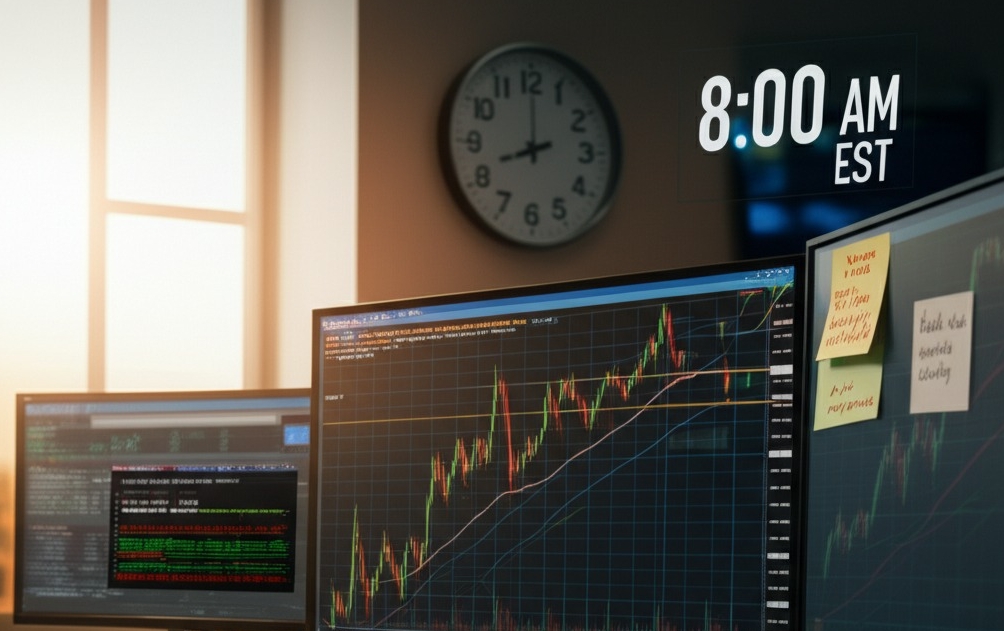
The New York forex session officially begins at 8:00 AM EST, right when U.S. banks, institutions, and Wall Street traders clock in. This opening bell aligns with the start of American economic activity, unleashing liquidity and strong price movement. For retail traders, it’s prime time to watch for signals—but impulsive trading here without confirmation can wreck your game plan fast.
Overlap with London: Timing Breakdown
From 8:00 AM to 12:00 PM EST, the London and New York sessions overlap. This window is like rush hour on Wall Street—fast, crowded, and full of action.
High liquidity fuels tighter spreads
Major USD, EUR, and GBP pairs become hyperactive
Volatility surges post-news events
This period is where most institutional volume flows. It’s also when new trends often begin or break.
Pre-Market Hours and Market Sentiment
The hours leading up to the NY session (around 6:00–8:00 AM EST) often whisper hints of the day’s market mood. You might see cautious consolidation or wild pre-session spikes depending on overnight news.
“Pre-market behavior is often a tell,” says Kathy Lien, “especially when major U.S. data is pending.”
Watch for early market sentiment, price action forming near key levels, and subtle confirmation signals before jumping in. That little patience can help avoid chasing price without real confirmation.
Why Is Liquidity Highest During the Overlap
The real fireworks in forex often happen during the London–New York overlap. Here’s why liquidity spikes and how the big dogs of Wall Street and the City stir the pot.
Volume Surges from London to NY
The handoff between London and New York isn’t just symbolic—it’s where the real money gets moving. Think of it like rush hour on Wall Street, right as London’s financial districts are still buzzing. The overlapping trading hours create a massive spike in trading volume, turning the market into a fast-moving stream of price action.
London and New York: The two largest forex hubs, creating a transatlantic trading frenzy.
Liquidity boost: More players mean tighter spreads and faster execution.
Market surge moments: Typically seen around the opening bell in New York and as London nears closing.
Big Institutions Drive Morning Moves
Let’s be real—retail traders don’t move the market, the big dogs do. When banks, hedge funds, and asset managers open shop during the NY morning, it’s game on. These large investors bring in heavyweight volume that often sets the tone for the day’s market trends.
Institutional order flow: Floods the exchange as the morning trading ramps up.
Market movers: Strategically time entries with economic releases or in response to overnight sentiment.
Volatility rise: Their massive positions can trigger breakouts, reversals, or fake-outs.
“Institutional players control the market's heartbeat. When they move, the market breathes.” — John Kicklighter, Chief Strategist at DailyFX

Which News Events Impact NY Trades the Most
Major U.S. news drops during the New York session can rattle the markets fast. Here's a breakdown of which economic reports and events truly move the needle.
Non-Farm Payrolls Shake the Market
The Non-Farm Payrolls (NFP) report is like the Super Bowl of monthly economic data. Traders crowd the screen when it drops, usually on the first Friday of the month. It covers jobs added, the unemployment rate, and wage growth—each triggering strong reactions in the USD, bond yields, and the stock market.
Sharp surprises can spark 50-100 pip swings in minutes
Influences Federal Reserve rate decisions
Strong NFP → stronger USD; weak NFP → risk-off mood
“The NFP is the single most watched economic release in FX trading,” – John Kicklighter, Chief Strategist at DailyFX

CPI, PPI and Inflation Data Surprises
Inflation isn't just a buzzword—it's a trading force. The Consumer Price Index (CPI) and Producer Price Index (PPI) often come in hotter or cooler than expected, surprising markets and flipping sentiment on a dime.
CPI reflects cost of living changes at the consumer level
PPI highlights input costs and price pressure at the wholesale level
Typical reaction:
Higher-than-expected CPI → rate hike fears → stronger dollar
Lower CPI → dovish Fed expectations → stock rally
Keep an eye on the core CPI too—it strips out food and energy, giving traders a clearer read on sticky inflation.
Fed Announcements and Interest Rates
When the Federal Reserve talks, the market listens—and often panics. FOMC meetings, speeches by Jerome Powell, and surprise rate changes create massive shifts in forex sentiment.
A rate hike announcement? Expect USD strength and risk-off trades.
A dovish tone or signal for cuts? Equities may rally, and dollar strength may fade.
Look at the dot plot, press conference language, and updated economic projections.
Timing tip: FOMC statements usually hit at 2:00 PM EST—plan your positions accordingly.
Geopolitical Events Triggering Volatility
Markets get jittery fast when geopolitical events strike—think Russia-Ukraine, Middle East tensions, or U.S.–China trade flare-ups. These moments often send traders running for safe-haven currencies like the USD, JPY, or CHF.
Examples of volatility triggers:
Surprise sanctions or trade restrictions
Escalation in armed conflicts
Sharp moves in oil prices or gold
Government instability or unexpected election results
Quick tip: Follow breaking headlines during NY hours—big events abroad can still shake U.S. assets hard. Traders often say, “If it hits Reuters or Bloomberg during NY hours, expect a reaction.”
How Do Pros Trade the NY Session
“I never enter a trade without knowing where the volatility is coming from,” said Marc Chandler, veteran FX strategist at Bannockburn Global Forex. His words reflect the core mindset of professional traders during the NY session, where liquidity, economic data, and price action converge with ferocity.
Professional traders approach the New York session with a checklist mindset. They arrive before the London session overlap, watching how markets react to European momentum and preparing for key news events like CPI or NFP. Timing matters. These traders rely on:
Pre-session planning: Reviewing economic calendars and adjusting for market volatility
Watching the tape: Following real-time price action for entry setups
Risk-defined trades: Executing with tight risk management and proper sizing
Institutions like Goldman Sachs or BlackRock often publish insights highlighting these tactics. Chandler also points out, “Liquidity during the overlap is a gift—misread it, and it turns on you fast.”
True pros wait, not chase. They know when to pull back and when to strike. No emotion, just flow with the market.
Scalping in High Volatility
Scalping during the New York session is a fast-paced, high-stakes game. Timing, execution, and adaptability can make or break your strategy.
Fast Entry Techniques in NY Hours
Speed is king at the market open. The New York Session can flip the board in seconds, so your entry strategy needs to be locked in tight.
Use limit orders to control your entry price.
Pre-plan your setups around major forex pairs like EUR/USD or GBP/USD.
Keep an eye on the opening 15-minute candle—that’s your signal zone.
Platforms like MetaTrader or cTrader offer one-click execution—use it.
“Scalping's a race. If you're fumbling your order, you're already losing.” – Rayner Teo, trading educator
Managing Slippage and Spread Spikes
Know your broker. Different brokers handle slippage and spread spikes with varying levels of fairness. Choose those with deep liquidity pools.
Use protective order types like limit or stop-limit—avoid market orders in volatile windows unless you trust the execution quality.
Watch for events that widen spreads—like NFP or Fed decisions—and either hedge or stay out.
Maintain tight risk management. If you're scalping with 1–2 pip targets, a 5-pip slippage can wreck your R:R.
| Market Condition | Avg Spread (EUR/USD) | Avg Slippage (pips) |
|---|---|---|
| Normal (8–10 AM EST) | 0.8 | 0.5 |
| News Release Window | 3.5 | 2.2 |
| Post-News Volatility | 1.2 | 1.0 |
Momentum Scalping with Economic Data
This one’s not for the faint-hearted—but if you thrive on short bursts of chaos, momentum scalping during economic releases is your jam.
Wait for the first spike, then catch the second leg when price confirms direction.
Use 5-second charts to enter micro-pulls during fast moves.
Focus on high-impact data: CPI, NFP, and Fed rate statements.
Momentum indicators like RSI or MACD can help—but don’t overthink. This is all about quick reaction and price action.
Stay sharp. In the NY session, momentum waits for no one.
Breakout Entry Points
Breakouts during the New York session can be goldmines—or traps.
Identifying Key Pre-Breakout Zones
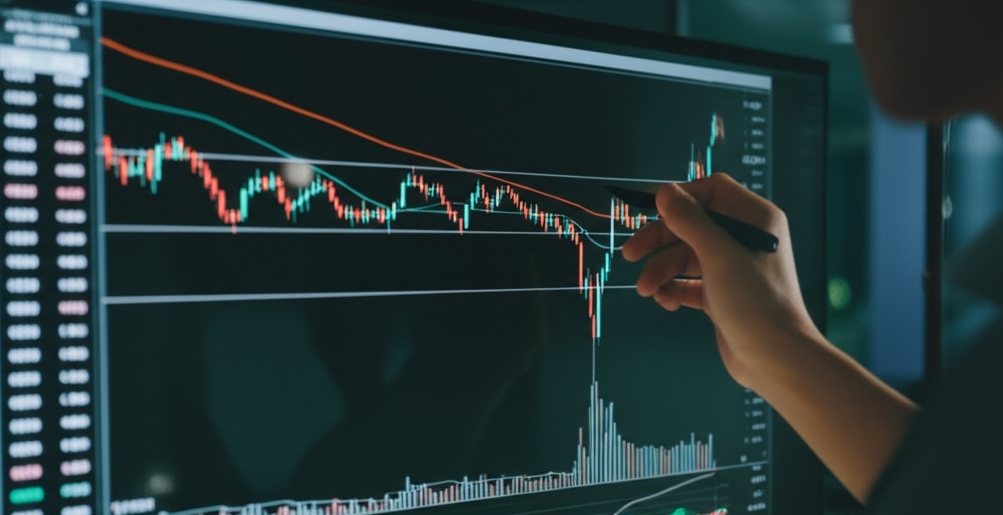
Finding the “calm before the storm” is your first job. Breakouts don’t happen out of nowhere—they brew inside consolidations and tight ranges.
Use Support and Resistance levels to outline your zone identification.
Look for chart patterns like triangles or rectangles in a sideways market.
A valid setup often forms at the edge of a consolidation—don’t force it.
Mark trend lines and confirm multiple touches before trusting the price level.
This isn’t guesswork—it’s prepping for the punch.
Confirming Breakouts with Volume Indicators
Volume spike = liftoff. A true breakout should be loud. Watch for a sudden volume spike—it’s your green light.
Check the On-Balance Volume (OBV) for consistency with price action. If price is pushing up but OBV is flatlining, you're probably staring at a false breakout.
Compare breakout candles with moving average volume—if it's below average, don’t chase it.
Use volume as trend confirmation only when it aligns with structure.
“Volume is the fuel behind every breakout. No fuel, no fire.” – Linda Raschke, veteran trader
Trend Setup Recognition
“I always say this to my students,” said Dennis Moreno, a CMT-certified trading mentor with over 12 years in the field. “Trend setups are not about prediction. They are about confirmation.” In our chat, he pointed to one golden rule that traders ignore at their own peril: follow the price, not your feelings.
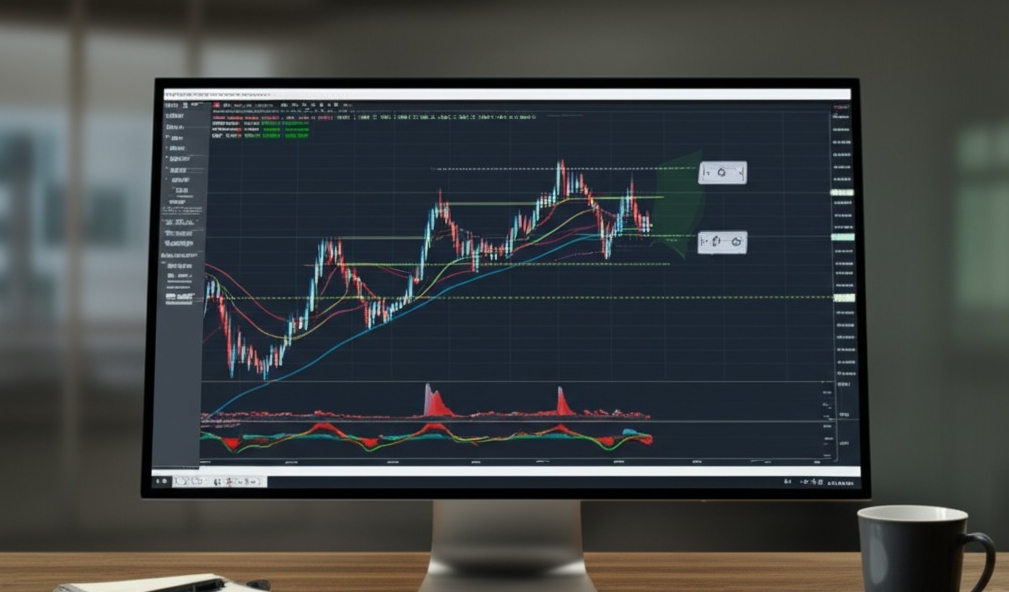
Trend setup recognition is about reading what the market is already saying—through higher highs and lower lows, momentum indicators, and clean trend lines. Dennis broke it down into three areas pros never skip:
Support and resistance zones: These levels frame the battlefield.
Moving averages: The 20 and 50 EMA help confirm direction.
Candlestick patterns: Think engulfing, pin bars—power in simplicity.
“Too many folks jump in on the first move. Wait for the breakout, then the retracement, and enter with confidence,” he stressed. He also showed us recent setups where chart patterns, like flags and triangles, failed until the momentum lined up.
A rising trend without confirmation from momentum indicators or volume is often a trap. Smart traders stack tools and only strike when the signals speak in harmony.
Risk Rules and Trade Discipline
It’s not just about how you trade in the New York session—it’s about how well you stay in control. Let’s break down the core habits that keep pros consistently profitable.
Setting Smart Stop-Loss and Take-Profit
Tight stops in a volatile session? Recipe for frustration. Loose exits? You're leaking pips. The sweet spot lies in defining clear exit strategies based on real price levels and using the right order types.
Use trailing stops to lock in profits when volatility surges.
Base your take-profit targets on the average true range (ATR).
Don’t just guess. Use prior session highs/lows as logical limits.
Prefer limit orders over market orders for precision.
Avoiding Overtrading in Peak Hours
Overtrading during the London–New York overlap is like chugging espresso shots—you'll crash hard. Stay sharp by setting a cap on your trading frequency.
Pre-plan your session analysis—know your ideal setups.
Stick to your trading plan, especially when FOMO hits.
If you're forcing trades just to be active, you're not trading—you're reacting.
"Good trading is boring," says trader Steve Burns. "It's not about action, it's about discipline."
Maintaining Position Sizing Discipline
Traders blow accounts not from bad trades—but from bad size. Keeping your lot size tight and risk per trade low lets you survive the storm when things don’t go your way.
Never risk more than 2% of your account size per trade.
Adjust capital allocation to match the asset’s volatility.
Use proper money management to scale as your portfolio grows.
| Account Size | Max Risk (%) | Lot Size Example |
|---|---|---|
| $1,000 | 1% | 0.01 |
| $10,000 | 2% | 0.20 |
| $50,000 | 1.5% | 0.75 |
Handling Emotional Decisions Under Pressure
Ever chased a trade just because it felt right? That’s fear and greed calling the shots. NY session pressure is real—but emotions don’t pay the bills.
Build self-awareness: Journal your wins and your emotional responses.
Train your trading psychology like a muscle—meditation, breaks, even walks help.
Stick to your trading plan, no matter what your gut says.
Trading isn't just charts—it's character.
Conclusion
You've just walked through the wildest part of the forex jungle—the New York session. It’s fast, loud, and full of traps, but now you’ve got the map. From sharp entries to smart exits, you’ve got tools that can actually work in live-fire trading.
As trading vet Larry Williams once said, “The market gives you opportunities, not guarantees.” That’s your cue to show up prepared, not panicked.
So next time that bell rings and price starts flying, don’t flinch—lean in. Stick to the plan, keep your stops tight, and trust your edge.
The New York session is one of the four main forex trading sessions and typically runs from 8:00 AM to 5:00 PM EST. It’s known for high volatility, especially during its overlap with the London session. This is when major U.S. economic news drops and big institutional money hits the market hard.
Think of it like rush hour on Wall Street—London is still live, New York is just kicking off, and traders worldwide are all placing orders at once. This double session window creates a perfect storm of volume and price movement.
NFP stands for Non-Farm Payrolls, a monthly U.S. jobs report that drops on the first Friday of every month. It’s one of the most market-shaking events out there. If the numbers miss or beat expectations, you can expect massive moves within seconds.
Scalping is fast-paced—like day trading on espresso. To do it without frying your nerves or account:
Use tight spreads and ECN brokers
Trade around news, not during the spike
Stick to high-liquidity pairs like EUR/USD
Keep risk super low: 0.5% per trade
Exit fast—greed kills in scalping
Breakout trades happen when price “breaks out” of a range or key level with momentum. The key to timing them? Patience. Wait for:
A buildup of price near support/resistance
A clear surge in volume
Confirmation candle closes
Avoid trading fakeouts—wait for a retest
Not always. But being aware of the economic calendar is essential. If you're mid-trade and a surprise rate hike hits? Boom—your chart goes off the rails. Set alerts for major events and avoid opening fresh trades minutes before data drops.
It’s the ratio between how much you’re risking vs. how much you’re aiming to gain. A solid risk-to-reward (like 1:2 or 1:3) means you don’t need to win every trade to stay profitable. It’s the grown-up way of trading—less thrill, more consistency.