


Table of contents
If you’re looking to get a jump on the forex market, Trading the Tokyo Session: A Guide for Forex Traders is your ticket. The Tokyo session is where the action kicks off each day, and it has its own vibe compared to the London and New York markets. Knowing how to trade it right can set you up for success—especially for those eyeing Asian currencies or looking to ride the early market wave.
The Tokyo session doesn’t have the same volatility as the later sessions, but that’s what makes it unique. It’s like catching the early morning waves at the beach—steady and reliable if you know how to ride them. Plus, there are specific strategies that work best during this time.

As famed trader John Murphy once said, “The key to making money in the market is not to get excited.” With this guide, you’ll learn how to keep your cool, pick the right pairs, and avoid the risks that come with trading the Tokyo session.
What Is the Tokyo Forex Market?
The Tokyo Forex session kicks off global trading each day. It's quieter than London or New York—but it’s far from boring.
Understanding the Tokyo Forex Session
The Tokyo Forex session starts around 00:00 GMT (09:00 JST) and runs until about 09:00 GMT (18:00 JST). It’s the first of the Asian sessions, followed by Singapore and Hong Kong.
It’s known for low volatility and slower price action.
Major currency pairs traded include USD/JPY, AUD/JPY, and NZD/JPY.
Liquidity can be thin, but there’s still plenty of opportunity—especially if you're looking to scalp or catch early trends.
Bonus: It overlaps with Sydney’s session, adding a subtle bump in activity.
How the Tokyo Market Differs from Others
Let’s be real: the Tokyo market marches to its own beat. Unlike the London or New York sessions, you won’t get wild price swings every minute—but that’s its edge.
Liquidity differences – The Tokyo session has lower liquidity, often ideal for range-bound strategies.
Time zone effect – For Western traders, Tokyo runs during the night. Great if you’re trading part-time or moonlighting as a forex fan.
Market characteristics – It’s quieter, more deliberate, and less influenced by Western financial news.
“Markets don’t just move—they breathe differently in Tokyo,” says FX analyst Keiko Yamazaki.
Key Players in the Tokyo Forex Market
The Tokyo Forex market isn’t just retail traders clicking buttons from laptops—it’s a heavyweight club.
Bank of Japan (BoJ) – Central bank with deep influence over the yen. When they speak, the market listens.
Major banks & institutions – Think Mitsubishi UFJ, Sumitomo Mitsui—these guys handle serious currency flows.
Corporations – Japanese exporters like Toyota hedge currency risk, creating consistent JPY demand.
Retail and institutional traders – The usual suspects, including speculators and brokers, add layers of liquidity and unpredictability.
This mixed crowd sets the tone for the Asian trading day.
When Does the Tokyo Session Open?

“The Tokyo session is like the morning bell for the global forex market,” said Ava Rogers, a senior analyst at AsiaFX Strategies. “Once the yen starts moving, traders from Sydney to New York take notice.”
The Tokyo session, also referred to as the Asian session, typically opens at 12:00 AM GMT (UTC) and closes at 9:00 AM GMT. In Eastern Standard Time (EST), that translates to 7:00 PM to 4:00 AM. These market hours may seem offbeat, especially for U.S. traders, but they offer an early entry point into the global trading day.
Based on Ava’s fifteen years of experience tracking forex market behavior, the session’s start time can bring subtle but critical movements. She shared that “major economic releases from Japan or Australia are often timed right before or during this session. Those headlines hit fast, and so does volatility.”
Tokyo session begins at 12:00 AM GMT and ends at 9:00 AM GMT.
Pairs like USD/JPY, AUD/JPY, and NZD/JPY often show the most liquidity.
Economic data drops and central bank remarks from Asia can cause sharp reactions.
Understanding the opening time of the Tokyo session is not just about setting an alarm. It is about aligning your strategy with a market that quietly sets the tone for the day. According to the Bank for International Settlements, the yen accounts for nearly 17% of daily forex turnover, underscoring the session's weight on global trade.
Why Trade in the Tokyo Session?
The Tokyo session may not be the wildest ride, but it offers unique perks for forex traders who know how to play it smart. Here's why this session deserves attention.
The Unique Liquidity of the Tokyo Session
Liquidity during the Tokyo session is like a calm sea—deep enough for steady trades but not too stormy. This is when JPY, AUD, and NZD pairs shine thanks to active regional banks and institutions. Traders get predictable market depth, ideal for placing larger orders with minimal slippage. Unlike the chaotic New York session, Tokyo trading hours offer smoother execution, especially in Asian markets.
“Liquidity doesn’t disappear, it just shifts,” says David Woo, ex-currency strategist at BofA. “During Tokyo hours, it flows where the yen goes.”
Low Volatility: A Double-Edged Sword
Low volatility feels like a safe zone—until it’s not. For most traders, the Tokyo session’s slower pace suits range trading and tight stop losses. But hey, don’t nap on it.
It’s perfect for learning price action in calm waters.
But a false breakout can still ruin your setup.
Pro tip? Track the volatility index and prep for consolidation zones—then strike when a pattern breaks.
The Rise of Asian Currencies
Forex traders are paying attention to emerging markets with rising currency strength.
The economic growth in Asia supports consistent trading opportunities during the Tokyo session.
These currencies reflect regional fundamentals, offering clearer patterns for smart entries.
Asian currencies have stepped up in global forex, thanks to booming Asian economies. The AUD, NZD, SGD, and even KRW have become serious players.
Opportunity for Early Market Movements
Pre-market news from Asia can shake things up.
Overnight orders set the tone for early trading.
You can catch subtle market movements before Europe wakes up.
The Tokyo session gives you a first look at the day’s price action—kind of like getting VIP early access to a concert. Catch the momentum early, or miss the wave entirely. Timing is everything here.
Best Pairs for the Tokyo Session
The Tokyo session can be a goldmine—if you know which forex pairs to trade. Here’s the inside scoop on what moves, why it moves, and how to make it work for you.

Top Pairs for Tokyo Trading
During the Tokyo session, certain forex pairs consistently shine thanks to high liquidity and tight spreads. Here’s a look at the top performers:
USD/JPY – A classic heavyweight with deep liquidity and regular movement during Tokyo market hours.
EUR/JPY – Offers a blend of Asian and European influence; useful for traders monitoring overlapping fundamentals.
AUD/JPY – Reflects strong ties between Japanese and Australian trade; reacts fast to commodity shifts.
NZD/JPY – Smaller but mighty, this pair is favored for carry trades and volatility in low-volume windows.
Each of these pairs benefits from active trading volume and responds to economic data released during the Asian session.
Why Focus on JPY Crosses?
JPY crosses aren’t just active—they’re responsive. You get volatility, but not the chaotic kind. More like “smooth turbulence.”
They react fast to risk sentiment. When global confidence drops, JPY typically strengthens as a safe haven.
Interest rate spreads matter. Carry trade strategies lean heavily on differences in interest rates, especially with JPY's historically low yields.
Economic news hits early. With the Bank of Japan setting the tone, traders get an early feel for the global day ahead.
“The yen has a unique rhythm—trading it is like listening to the heartbeat of the Asian market.” — Mika Takahashi, Tokyo-based FX strategist
Key Factors Influencing Tokyo Market Pairs
Several moving pieces affect how forex pairs behave during Tokyo hours. Understanding these drivers helps you trade smarter:
Bank of Japan policy changes – BoJ decisions or surprises can jolt the JPY.
Japan’s economic indicators – CPI, GDP, and trade data often cause immediate spikes.
Global risk appetite – If Wall Street had a rough night, Tokyo opens with caution.
Commodity prices – AUD/JPY and NZD/JPY respond strongly to iron ore or dairy reports.
Technical levels and volume – Tokyo session often tests overnight price ranges set in New York.
| Factor | Impact Level | Related Pairs |
|---|---|---|
| BoJ Policy Shifts | High | USD/JPY, EUR/JPY |
| Risk Sentiment Swings | Medium | All JPY Crosses |
| Commodity Price Changes | Moderate | AUD/JPY, NZD/JPY |
In short, Tokyo trading isn’t just about timing—it’s about knowing what whispers move the market.
How Does the Tokyo Session Move?
Want to know how the Tokyo market flows? Let’s break down its rhythm and help you ride the waves like a pro.
Understanding Price Action in the Tokyo Session
Price action in the Tokyo session tends to move with subtle precision, not fireworks. Traders often analyze candlesticks, support and resistance, and trendlines to catch moves in key JPY currency pairs. It’s not about brute force—more like chess with money.
The Asian session is driven by local fundamentals and institutional orders.
Price action is smoother, often reflecting overnight positions and low-volume consolidations.
Perfect for testing breakout strategies around levels that held in the London close.
“Patience in price action beats panic every time.” – Naomi Tanaka, FX Analyst
Typical Volatility Patterns During Tokyo Hours
Volatility in Tokyo hours isn’t a rollercoaster—it’s more like a slow cruise with the occasional bump. But don’t get too comfy.
Low volatility dominates early hours, especially the first hour of open.
Price swings tend to stay within tight ranges (20–40 pips in major pairs).
Spreads widen slightly due to reduced liquidity.
Major economic data from Japan or Australia? Boom—volatility spikes.
News events out of China or South Korea can shake things up fast.
| Currency Pair | Avg. Tokyo Range (Pips) | Volatility Rank |
|---|---|---|
| USD/JPY | 30 | Low |
| AUD/JPY | 42 | Medium |
| EUR/JPY | 38 | Medium-Low |
Smart traders use this session to map levels before the London storm hits.
Top Strategies for Tokyo Trading
Learn the game plan for navigating Tokyo’s unique market rhythm.
Scalping Strategies for Tokyo
Scalping in Tokyo is all about speed and precision. With tighter spreads, high liquidity, and regular activity in JPY pairs and Nikkei futures, traders can capitalize on micro-movements.
Focus on ultra-short timeframes (1–5 minutes)
Look for tight execution and low latency brokers
Trade around Tokyo Stock Exchange open (9:00 JST) for volatility spikes
Use order book depth to filter fake-outs
Pro tip: “Liquidity is the scalper’s best friend,” says Koji Nakamura, FX strategist at Monex Group.
Swing Trading During Low Volatility
Swing trading thrives in the Tokyo session when the market is cooling off from New York and prepping for London. The low volatility often creates clear range structures.
Spot the consolidation zones during Tokyo
Use retracement entries with confirmation from technical indicators
Hold positions over a few days—Tokyo sets up, London breaks out
Price action in this time can feel like watching paint dry, but hey, that’s the calm before the move. Keep cool and ride the wave.

Trend Following in the Tokyo Market
Trend following isn’t dead in Tokyo—it’s just subtle. Focus on JPY and Nikkei instruments when Asian macro data hits early.
Use 20/50 EMA crossovers to spot direction
Confirm momentum with MACD or RSI
Set wide stop losses—this game’s played over days or weeks
Look for continuation patterns after Tokyo news releases
Stick to the trend. As the saying goes, “The trend is your friend—until it bends.”
Range Trading in Asian Markets
The Tokyo session is famous for its chill vibe. That’s gold for range trading lovers.
Identify support/resistance using horizontal zones
Deploy oscillators like RSI or Bollinger Bands for entry signals
Target small profits with tight stops
Best played between 10:00–14:00 JST when volatility dips
Think of it like fishing in still water—calm, steady, and all about precision.
Position Trading: Patience Pays Off
Position trading during Tokyo hours isn’t about action—it’s about building.
This long-term strategy relies on macro trends, fundamental analysis, and waiting for Tokyo-based events (like BOJ meetings) to support your broader bias.
Monitor economic calendars for JPY events
Enter on Tokyo retracements in long-term trends
Use wide stop loss and strong risk management
This isn’t for adrenaline junkies—it’s for traders with grit, time, and a long game mindset.
Risks of Trading Tokyo Hours
Trading the Tokyo session might seem chill, but hidden risks can catch you off guard. Let’s unpack what could derail your strategy fast.
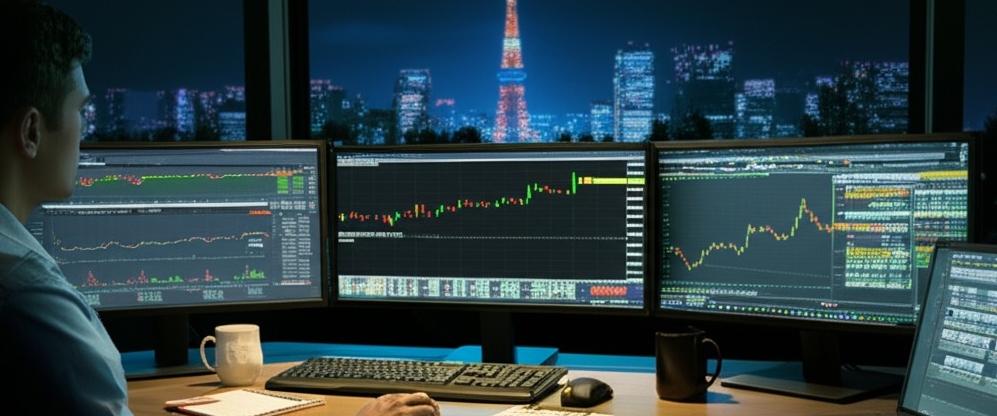
Low Liquidity Risk in Tokyo
The Tokyo session often lacks the trading volume of London or New York, which means low liquidity. That can create slippage, wider spreads, and sketchy price fills.
Less capital movement = limited trade opportunities
Fewer market participants = inconsistent asset pricing
Wide spreads = higher cost per trade
In low-liquidity zones, placing large orders on the Yen or Asia-Pacific securities might move the market more than you'd like.
Market Gaps at Open
Morning gaps in Tokyo aren’t just annoying—they can wreck your whole setup.
These price gaps usually happen between the NY close and Tokyo open.
Charts can skip past stop-loss zones, blowing up your plan.
It messes with entry/exit precision, especially on shorter timeframes.
Strategy tip: Avoid placing trades minutes before the session opens unless you’ve analyzed historic gap behavior.
Impact of Political Events in Asia
Asia’s politics hit different—especially when it’s unexpected. When a major policy shift happens in Japan or China, or geopolitical tension flares up in the region, the market reacts instantly. Think currency spikes, or sudden shifts in investment flow.
“When trade talks stall or new sanctions drop, the Yen often becomes a safe haven—fast,” says Tom Bennett, FX strategist at GlobalX.
These moves often ignore technicals—so if you're chart-heavy, brace yourself.
Handling Risk in Low-Volatility Conditions
Low-volatility sessions don’t mean zero risk—they just wear a quieter mask.
Don’t overleverage just because the market looks calm.
Use a tight risk-to-reward ratio and avoid revenge trading.
Mix position sizing with a hedge if the market’s too slow to commit.
A smart trader reads the environment, not just the charts. Low volatility isn’t an excuse to nap—it’s a test of discipline.
How to Maximize Tokyo Session Profits
Maximizing profits in the Tokyo session isn’t just about knowing when to click "buy" or "sell"—it’s about sharpening your edge through timing, tools, and discipline.
Optimizing Entry and Exit Points
Getting in and out at the right moment is like landing a plane—precision matters. To optimize your entry and exit points, identify major support and resistance levels before Tokyo opens. Use limit orders to manage entries and avoid emotional exits. Don’t wing it—follow your trade plan and respect your risk management rules.
Entry without a clear plan = gambling.
Exit too early? You leave gains on the table.
Wait too long? You're handing it back.
Stay sharp, stay disciplined.
Using Technical Indicators for Tokyo Trading
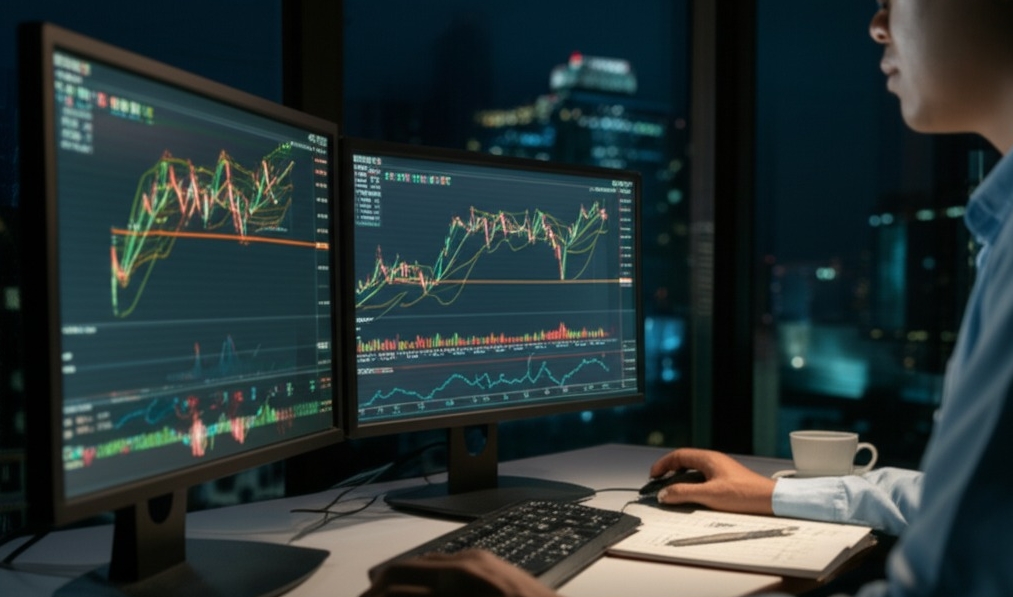
Tokyo traders love tools—think RSI, Bollinger Bands, or MACD for clear signals during quieter hours. Most moves come from JPY-based pairs, so pair indicators with clean candlestick analysis.
Use Moving Averages to track trends.
Rely on Bollinger Bands to spot consolidations or breakouts.
MACD crossovers can confirm momentum shifts before Europe wakes up.
“Indicators don’t predict the future—but they sure make the present easier to read.” — Linda Raschke, veteran trader
Time Your Trades for Maximum Profitability
Let’s be real: even the best strategy can flop with poor timing. In the Tokyo session, price action often peaks in the first 1–2 hours. Don’t chase—time your entry when volatility aligns with your setup.
| Timing Window (JST) | Activity Level | Suggested Action |
|---|---|---|
| 09:00–11:00 | High | Scan and Execute |
| 11:00–14:00 | Moderate | Monitor Existing Trades |
| 14:00–17:00 | Low | Avoid New Positions |
Miss the wave? Sit tight. Patience is a profit multiplier.
Conclusion
The Tokyo session might not be the loudest kid on the forex block, but it’s got rhythm—and serious potential. Think of it like early morning fishing: calm, focused, and surprisingly rewarding if you know where to cast your line.
You’ve now got the playbook—timing, pairs, strategies, and risks. Use it. Trade smart, not just often.
As trading legend Paul Tudor Jones once said, “The secret to being successful is to be an informed trader.” Tokyo gives you that edge—quietly.
The sweet spot is usually the first 2–3 hours after the session opens. That’s when liquidity kicks in and news from the Asian market starts to shape price movements. It’s not overly volatile, but you’ll get some solid setups, especially if there’s been economic data overnight.
This creates slower, more predictable movements—but can limit opportunities for quick gains.
Fewer big institutional players are active
There’s less economic data released globally during these hours
Asian banks dominate, so the market moves in tighter ranges
Cross-pair volatility tends to be muted
Pairs involving the Japanese Yen (JPY) and Australian Dollar (AUD) tend to be more active. Some common movers include:
These pairs often reflect Asia-Pacific economic data and central bank actions, so they’re worth watching.
USD/JPY
AUD/JPY
NZD/JPY
AUD/USD
Absolutely—if you're patient and precise. Scalping works well because the market moves in tight, manageable ranges. But don't expect big breakouts. Think quick in-and-out trades, small profits stacked over time. Using 1-minute or 5-minute charts works best here.
It sets the tone for the day. If the Tokyo session starts with strong moves—especially on economic news—other markets often follow the trend. It also:
Reflects early sentiment in Asian markets
Offers clues on how JPY-related pairs may behave later
Creates support/resistance levels that hold during London
You can—but you'll have to be a night owl. The Tokyo session starts around 7 p.m. to 8 p.m. EST, depending on daylight savings. Some U.S. traders adjust their schedule to trade Tokyo, especially if they're targeting pairs like AUD/JPY or USD/JPY.
There’s a brief overlap between the Tokyo and Sydney sessions. This window—especially in the early Tokyo hours—can provide:
Though not as powerful as the London/New York overlap, it’s still worth watching if you're active early.
Slightly increased volume
Better spreads than late Sydney
Momentum shifts as Tokyo liquidity enters