


Table of contents
Trading with Confidence in the Forex Market isn’t just about knowing charts or chasing pips — it’s about trusting your gut after you’ve trained it right. Picture this: you're in a trade, price spikes, your heart races, and you hit sell too soon — not because the setup was wrong, but because your confidence wobbled. Sound familiar? You're not alone. Thousands of traders exit too early or freeze because their mindset isn't dialed in, not their strategy.
Confidence in trading is like muscle memory in sports — it kicks in under pressure. As trading psychologist Dr. Brett Steenbarger says, “Confidence grows not from winning, but from learning how to respond when you’re not.” And that’s the key difference between pros and panicked traders.
This guide breaks it down — no fluff. You’ll build a rock-solid trading mindset, lock in strategies that actually hold up under stress, and learn how to stay cool when the market’s throwing curveballs. Ready to trade with more clarity, less chaos? Let’s get into it.
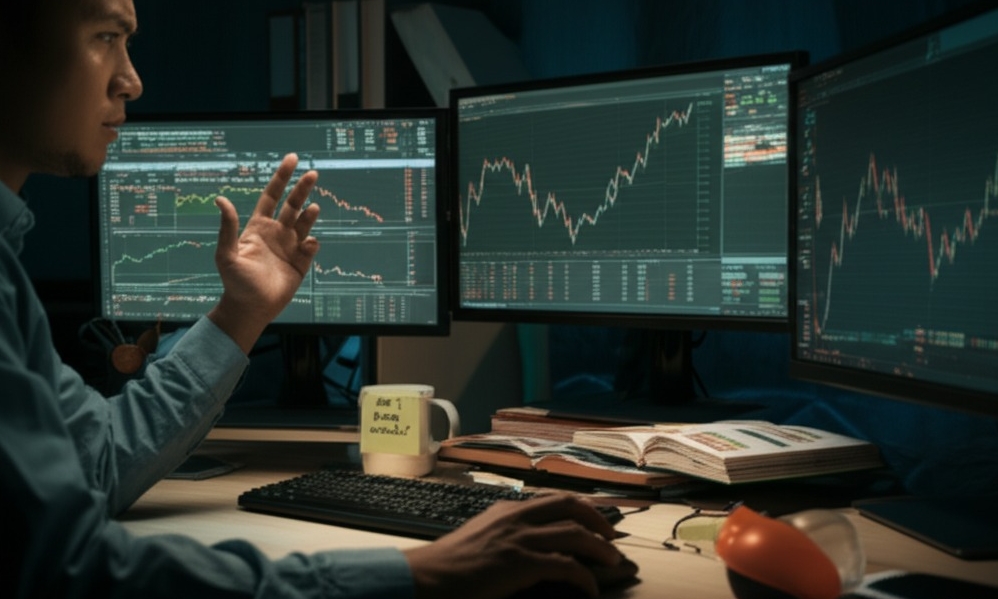
Why is confidence critical in forex trading
Confidence is the engine that keeps your trades moving—without it, even the best strategy stalls. Let’s break down why it really matters in forex.
The cost of hesitation in the market
Ever watched the perfect setup form, hovered over the buy button… and froze? That’s hesitation — and it costs you.
Opportunity cost: While you wait, the market moves.
Capital allocation delays: Funds sit idle instead of working.
Decision paralysis: Too much analysis kills action.
Financial loss: Small hesitations during market volatility can flip gains to losses fast.
Bottom line: The longer you wait, the more you risk missing out.
Confidence vs. overconfidence in trades
There’s a fine line between being sure and being reckless. Confidence comes from solid trading strategy and sharp risk management. Overconfidence? That’s a fast pass to poor decisions.
Confidence is backed by market analysis and self-awareness.
Overconfidence leads to overtrading and ignoring warning signs.
Traders high on wins often miss red flags due to cognitive bias.
Pro tip: Do a quick self-assessment before every trade. Ask: “Am I being rational… or just riding a high?”
Emotional capital as trading fuel
They don’t talk about this in trading books, but emotional capital might be more important than your actual cash. It's your fuel — and once it’s burned out, so are you.
Let’s be real: Trading takes mental resilience, and if you're running low, your decision-making tanks.
As trading coach Denise Shull says, “If you’re emotionally fried, your brain’s not calculating — it’s just reacting.”
Building emotional intelligence and discipline helps you trade smart, not scared. Use stress management techniques and check your mindset — it’s the difference between lasting and burning out.
Building a Trader's Mindset
A rock-solid mindset is your edge in forex.
Habits that shape trading behavior
Your trading results often reflect your habits more than your strategies. Building strong trading habits—like journaling, pre-market prep, and emotional check-ins—sets the tone for consistent performance.
Discipline and routine = fewer impulsive trades
Behavioral patterns drive risk management automatically
Consistency beats intensity over time
Good habits reinforce mindset and performance consistency
Think of habits as the "invisible hand" behind every win or loss.
Visualizing trades before execution
Great trades are executed before they even happen—in your head. Trade visualization means mentally walking through your execution strategy and outcomes before the market moves.
Imagine the setup from start to exit
Rehearse possible scenarios (breakouts, fake-outs, reversals)
Identify the risk zones in your mind
Lock in focus and remove hesitation
This practice strengthens confidence building and reduces reactive behavior during live trades.
Reframing fear as data
Fear is just a message — not a stop sign. In trading, fear often flags risk signals, but it's your job to turn it into objective assessment.
Pause and analyze the source
Reframe it through cognitive reframing
Use the emotion as a signal for deeper data analysis
As Dr. Van Tharp said, “You don’t trade the markets. You trade your beliefs about the markets.” Turn fear into intel, not noise.
Self-talk during losing streaks
Look, we all hit rough patches. It’s not about dodging every loss—it’s how you talk to yourself when they pile up. A solid self-talk strategy keeps your mental fortitude intact.
Ditch “I suck at this” for “What’s this teaching me?”
Use positive affirmations grounded in reality
Talk to yourself like you'd coach a teammate
One bad streak doesn’t cancel out a strong skillset.
Creating a mental reset routine
Sometimes your brain needs a reboot, not another chart. A well-built mental reset routine helps refresh focus and maintain psychological readiness between trades.
Take a break: step away after intense trades
Reset with breathing or a 5-minute mindfulness practice
Journal emotions, not just results
Re-enter with intention, not frustration
It’s like clearing your mental cache—simple, powerful, and underrated.
Confidence killers in trading
Confidence in trading doesn’t just vanish — it’s usually drained by silent killers. These two common habits ruin mental clarity and wreck performance before you even realize it.
The trap of revenge trading
We’ve all been there — that one soul-crushing loss that flips a switch. Suddenly, you’re not trading your plan anymore — you’re trading your pain. Revenge trading is a dangerous cycle driven by emotional trading and the desperate urge to recover losses quickly. The result? More impulsive decisions, overtrading, and often deeper financial losses.
Why it happens: It starts with a big loss, followed by panic and frustration. The brain seeks emotional relief, not smart entries.
Warning signs: Increasing trade size without a plan, abandoning your usual risk management, trading setups that don’t meet your strategy.
How to stop it:
Step away after a loss — don’t chase.
Use a cool-down rule: No trading for 30–60 minutes post-loss.
Journal what triggered the revenge trade — awareness kills the habit.
“One of the most destructive emotions in trading is revenge,” says psychologist and trader Denise Shull. “It clouds logic and fuels deeper mistakes.”
Chasing setups without conviction
Ever stared at a chart, half-sure you saw a signal — and clicked ‘buy’ just to not miss out? That’s chasing trades without conviction. And it’s a one-way ticket to confusion and regret.
Key symptoms:
Acting on half-baked market analysis
Ignoring your entry criteria
Doubting the trade while you’re in it
Why it kills confidence: Each uncertain entry chips away at your belief in your own strategy. And when it goes south (as it often does), the damage isn’t just monetary — it’s psychological.
Fixes that work:
Create a pre-trade checklist
Don’t enter unless three key criteria align
Backtest your strategy to build trust
| Trading Setup | Conviction Level | Likelihood of Success |
|---|---|---|
| Fully Aligned | High | 75–85% |
| Partially Met | Medium | 45–60% |
| Gut Feeling | Low | <30% |
Sticking to your strategy isn’t just about discipline — it’s about keeping your confidence bank full. Every time you follow your plan, you make a deposit.
Forex entry strategies that work
Great entries don’t come from guessing — they come from structure, timing, and reading the market like a hawk. Here’s how smart traders build their edge.
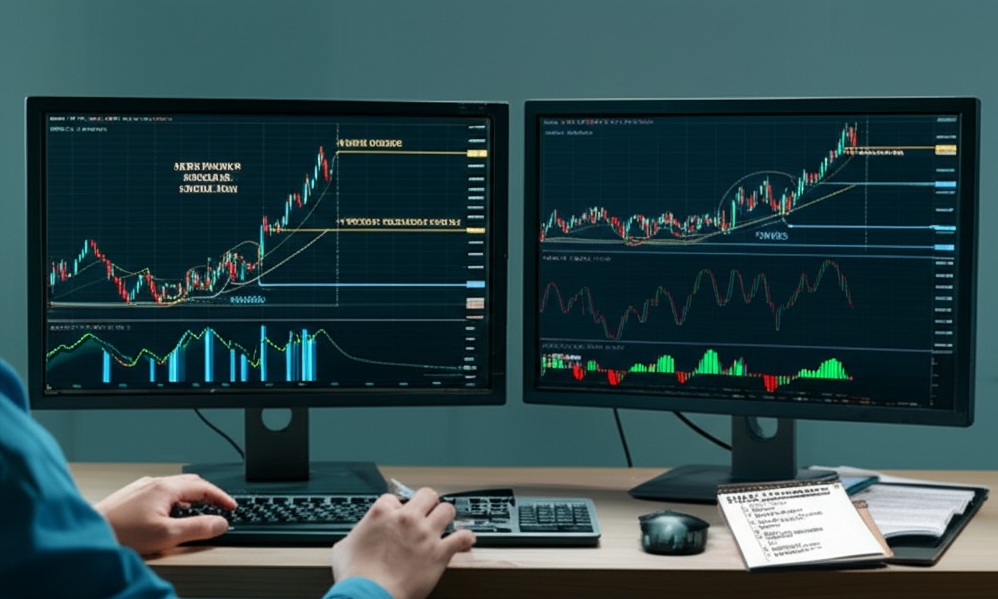
Confirming bias with price action
Price action isn’t just eye candy — it’s the heartbeat of the market. You don’t confirm a market bias with hope; you do it with trend confirmation, support/resistance, and clean patterns.
Higher highs / higher lows in an uptrend
Reversal candles at key levels
Volume spike when price breaks structure
Momentum indicators validating moves
When price, volume, and structure line up, your trade bias gets validated — not just visualized.
Using timeframes for better timing
Timeframes are like camera lenses — zoom too close, and you miss the landscape. Zoom too far, and you miss the detail. Here’s how different timeframes serve your strategy:
| Timeframe | Primary Use | Best For |
|---|---|---|
| 1-Hour (H1) | Fine-tuning entries | Day trading, intraday reversals |
| 4-Hour (H4) | Balance of signal & noise | Swing trading, trend continuation |
| Daily (D1) | Identifying overall trend | Long-term strategy direction |
Using multiple timeframes together creates a clearer picture, helping you avoid jumping in on false momentum or entering against trend.
The rule of three confirmations
No one likes being wrong — especially when money's on the line. That’s why the rule of three is a trader’s best friend.
Price action says, “Yep, trend’s alive.”
Volume confirms there's real interest.
Indicators (like MACD or RSI) show alignment.
When those three stack up, you’re no longer trading on a whim — you’re stacking the odds in your favor. Think of it like a courtroom: the more witnesses agree, the stronger your case (or trade).
Entry checklist to reduce hesitation
Second-guessing kills profits. A solid entry checklist gives you peace of mind when it's time to pull the trigger.
Does the trade setup match your strategy?
Are entry criteria clearly met — not forced?
Is your risk/reward ratio in line?
Did you review confirmation signals?
Is your head clear — no FOMO or revenge mode?
“Hesitation is the cousin of regret — trade only when your checklist says go.” This isn’t just paperwork — it’s discipline with teeth.
Risk control principles
Solid risk control isn’t flashy, but it’s the backbone of trading confidence. Master these principles to stay in the game and keep your equity curve moving upward.
Risk per trade percentage rules
The golden rule of risk management? Never bet the farm. Smart traders stick to risking 1–2% of their account balance per trade. This protects capital even during losing streaks.
Use a formula:
Risk Amount = Account Balance × Percentage RiskMatch stop loss size to trade size so the % risk stays consistent.
Don’t forget leverage: it amplifies both gains and losses.
Stick to it, even when you're “sure” about a setup—discipline trumps conviction every time.
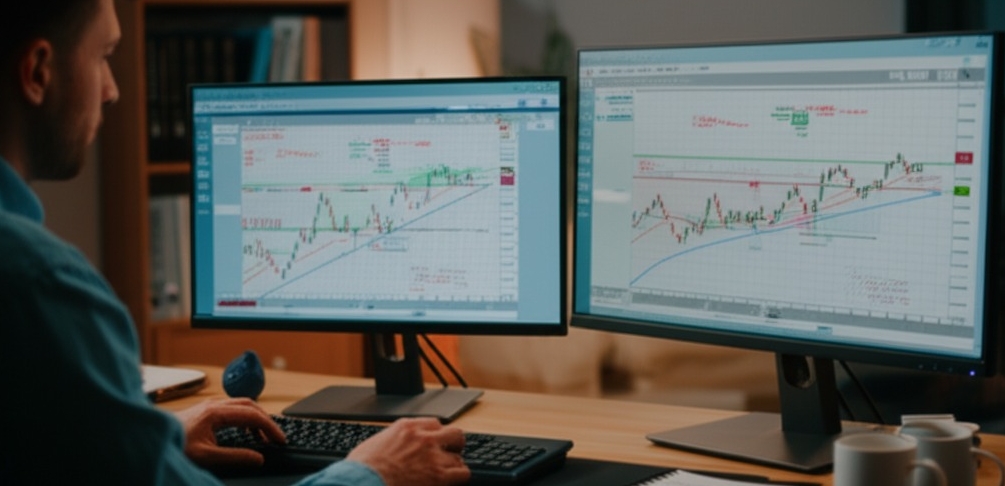
Setting realistic stop-loss zones
Your stop loss isn’t a random guess — it’s a carefully placed exit plan based on technical analysis and market structure. Use recent support and resistance levels, volatility ranges, or chart patterns to guide it.
Tip: Avoid placing stops too tight. The market breathes. Give it room — or get wicked out. A well-set stop lets you manage risk without micromanaging the chart.
Managing emotions after losses
Losses sting. But what matters most is how you bounce back. If you tilt — you’ll likely revenge trade, overtrade, or just freeze.
Take a walk or step away after a loss.
Log the trade, but don’t obsess over it.
Rebuild confidence with smaller, lower-risk trades.
“The best traders don’t avoid losses — they handle them like pros.” – Mark Douglas, Trading in the Zone
Keep your mindset aligned with your strategy, not your emotions.
Position sizing with confidence
Think of position sizing like your gas pedal. Press too hard, and you're spinning out. Use risk per trade, account equity, and market volatility to size smart.
Apply the Kelly criterion or Optimal F to find the sweet spot.
Stay smaller in uncertain markets to preserve capital.
When your conviction is high, size up—but only within your rules.
Confidence should be calculated, not emotional.
Diversifying strategy types
Putting all your trading eggs in one strategy basket? Risky.
Trend-following for clear moves
Mean reversion for bounce setups
Algorithmic strategies for consistency
Discretionary trades for intuition-based entries
This keeps you adaptable across different market conditions, and spreads risk across uncorrelated tactics — the key to smoother equity growth.
Planning trades based on volatility
Volatility isn’t the enemy — it’s a signal. Plan your trades by checking indicators like ATR, VIX, or historical volatility.
Use wider stops when volatility is high
Pick tighter profit targets when the market’s quiet
Adjust trade size to match volatility swings
| Indicator | Purpose | Best Used For |
|---|---|---|
| ATR | Measures price movement | Setting stop-loss distance |
| VIX | Market sentiment gauge | Planning volatility trades |
| Bollinger Bands | Volatility envelopes | Entry/exit confirmation |
The more you understand volatility, the more precise and confident your trade planning becomes.

Tools for Volatile Markets
“You are only as strong as your system when the market goes wild,” says Daniel Reese, a senior analyst with over 15 years in forex trading. We caught up with him after the FOMC volatility spike in early 2025. His take? “Volatile markets are not the enemy. They are a magnifier — they test your preparation, not your luck.”
When the charts get erratic and spreads widen, seasoned traders lean into a mix of practical tools and tight discipline:
Volatility indicators like Bollinger Bands and ATR help gauge market shake-ups. “If your ATR is screaming and you still place the same stop-loss, you are asking for trouble,” Daniel adds.
Stop-loss orders are not optional. Trailing stops, in particular, allow space to breathe while protecting the bottom line.
Hedging strategies give pros room to manage directional bias without shutting down trades prematurely.
Economic calendars keep traders ahead of surprise catalysts. NFP week? No excuse for being blindsided.
Technical analysis remains core, but must be paired with news trading tools and position sizing models that flex based on risk exposure.
Automated trading systems built with real market data also offer precision under pressure. As Daniel puts it, “In chaos, consistency wins — and the robot never panics.”
Award-winning platforms like MetaTrader and cTrader integrate these tools, offering trust-backed environments where smart risk management is more than just theory.
Maximizing profitable trades
It’s not just about picking the right trade — it’s about squeezing every ounce of juice from your winners without panicking or second-guessing.
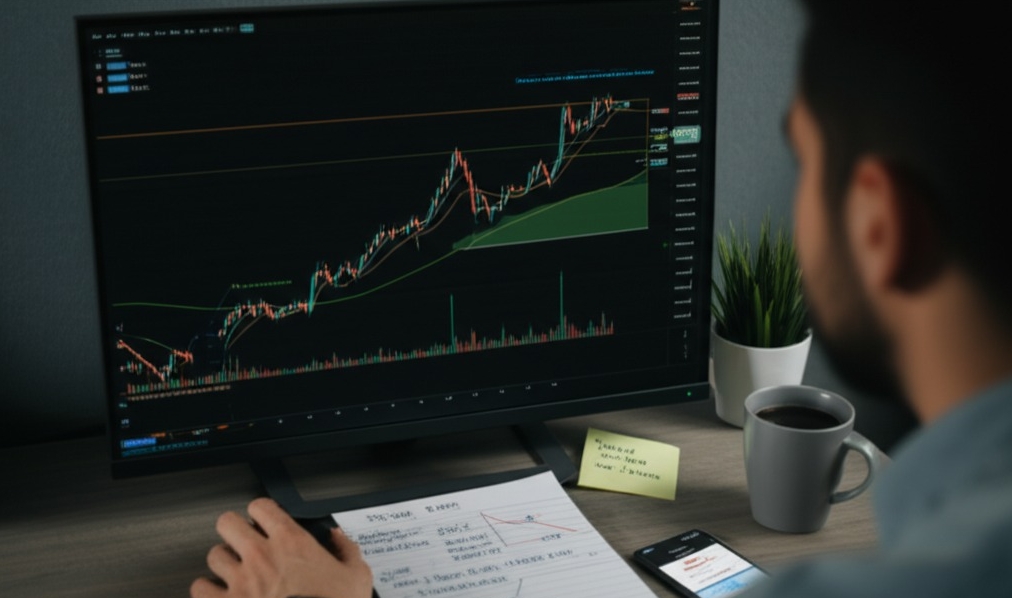
Letting winners run strategically
It’s tempting to grab profits early — especially after a few losing trades. But the real game-changer? Knowing when to hold 'em. A strategic trader lets the market prove them right. Use a trailing stop-loss or scale out in stages to lock in gains while leaving room for further upside. It’s not about hope — it’s about structure. Tools like ATR or support zones help set smart trailing exits. Remember, you’re managing profit potential, not just risk.
Avoiding early exits from fear
You ever bailed on a trade just because your gut got jittery? That’s fear, not strategy. According to trading coach Steve Burns, “Most traders lose money not because they’re wrong, but because they exit too soon.”
Review your trade plan before the trade — not during.
Trust your entry logic and set it and forget it.
Use alerts, not emotions, to manage open positions.
Let the math talk. Let your risk-reward ratio breathe. Pulling out too early is like leaving the theater before the best scene — don’t do it.

Confidence through consistency
"I do not trade for thrills. I trade for steady gains. Routine is my edge." These words come straight from Daniel Reed, a full-time forex trader featured in Traders Digest Weekly. His daily process includes waking at 5:00 AM, journaling yesterday’s trade logic, reviewing market conditions, and running a 3-point entry scan—all before breakfast. This is not discipline for show. This is how confidence is earned through repetition.
Confidence does not come from a winning trade. It comes from knowing why you placed it. That is what consistent habits build—clarity. Reliable traders keep a tight grip on their routine. They use defined strategies, not gut feelings. Their results improve, not because of luck, but because their performance becomes measurable.
According to Dr. Van K. Tharp, trading psychologist and author of Trade Your Way to Financial Freedom, “Routine builds steadiness. Steadiness builds reliability. Reliability builds profit.”
A written process checklist
A time-bound market review
Post-trade performance notes
No deviation without written reason
Confidence becomes unshakable when the process is repeatable. No shortcuts. Just real growth through habit.
Conclusion
Confidence in trading isn’t about calling every move right — it’s about showing up ready, even when the market throws a curveball. It’s that quiet, steady belief that your plan matters more than the noise.
As trading coach Mark Douglas once said, “The best traders think in probabilities, not predictions.” That mindset is your real edge.
So keep your head clear, your rules tight, and your emotions in check. You’ve got the map — now it’s time to trade like you mean it.
Trading psychology is the mental and emotional state that drives your decision-making in the market. If you can’t control fear or greed, it doesn’t matter how good your strategy is — you’ll second-guess, overtrade, or freeze. Strong trading psychology helps you stick to your plan when the pressure’s on.
Risk control isn’t just about stop-losses — it’s about setting boundaries before you even click “buy.”
Limit risk to 1–2% of your capital per trade
Use a pre-set stop-loss and stick to it
Avoid doubling down on losses
Don’t risk what you emotionally can’t afford to lose
A confident entry is one that’s backed by logic, not a hunch. You’re looking for confluence — when multiple signals agree. Think price action meets support/resistance meets confirmation candle. That’s how confidence replaces guesswork.
Most traders cut winners short out of fear. They don’t trust the setup, or they’re scared the profit will disappear. The fix? Pre-plan your exits with take-profit levels, and remind yourself that a good trade is about following the system — not grabbing every pip.
Consistency isn't about always winning — it's about sticking to a process even after losses.
Use a daily trading routine
Journal every trade (yes, even the ugly ones)
Review performance weekly
Don’t hop between strategies every time the market changes
Volatile markets can wreck confidence fast. Here’s what helps:
Economic calendar alerts (for news spikes)
ATR (Average True Range) to size stops properly
Volatility filters in your strategy
Risk-on/risk-off sentiment indicators
Yes — if you treat it like real money. A demo account is your lab. It's where you stress-test setups, get a feel for execution, and build discipline. But don’t overstay — real confidence is built under pressure, and that only happens with real stakes.