

Table of contents
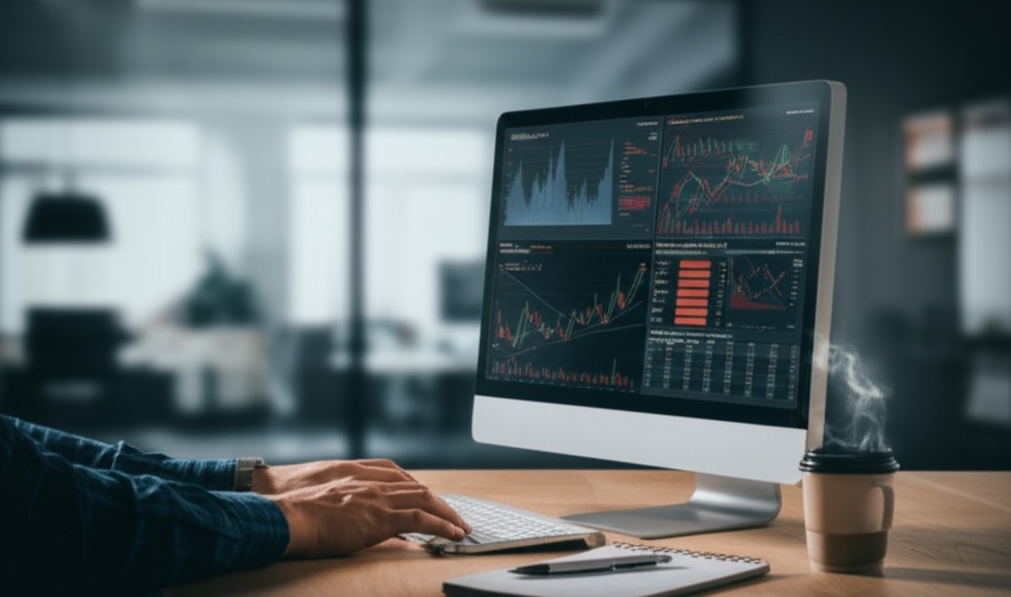
In the world of Forex trading, it's all about making smart moves, and that’s where 3 Types of Forex Analysis come into play. If you want to survive—and thrive—on the currency markets, you’ve got to know how to read the signs. It’s like trying to predict the weather. Without the right tools, you’re left guessing, and we all know how that goes.
Traders lean on three main types of analysis to help them make decisions: Technical Analysis, Fundamental Analysis, and Sentiment Analysis. Think of them as your GPS for navigating the ups and downs of Forex trading. With the right strategy, you can stop taking blind risks and start making moves that count.
As seasoned trader Rayner Teo says, "It’s not about predicting the market perfectly—it’s about understanding it." Stick around, and we’ll break down each analysis type so you can choose the right one for your trading style.
Introduction to Forex Analysis
Understanding Forex analysis is like learning how to read a map before going on a road trip—it gives you a clear path forward. If you're looking to succeed in currency trading, you’ll need to make smart trading decisions based on the market's ever-changing signals.
Why Forex Analysis Matters
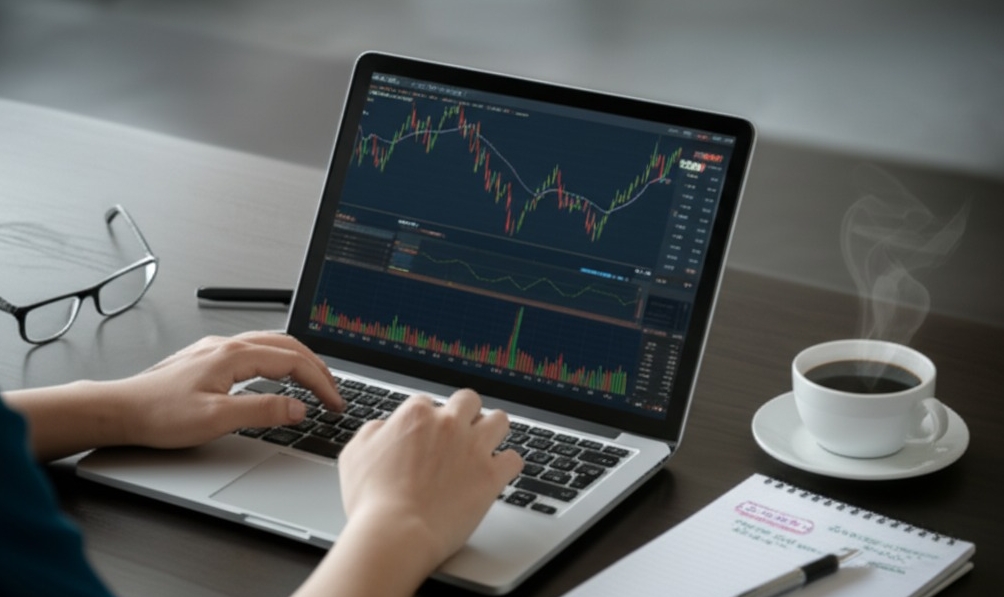
Market analysis is your first step toward success in Forex trading. Without it, you're essentially flying blind. By diving into Forex analysis, traders are able to identify market trends, measure risks, and fine-tune their trading strategies. Analysis lets you pinpoint opportunities, based on everything from economic indicators to historical price action.
Helps you identify market trends and currency pair movements.
Risk management becomes easier as you anticipate potential price fluctuations.
A solid trading strategy increases profitability.
Supports better decision-making using tools like technical analysis and fundamental analysis.
Overview of Key Analysis Types
There are three main ways to analyze the Forex market: Technical Analysis, Fundamental Analysis, and Market Sentiment. Each one offers its own insights and strategies for predicting currency movements.
Technical Analysis: Focuses on historical price data, using charts and indicators to forecast future movements.
Fundamental Analysis: Examines economic data, news events, and other macroeconomic factors to understand how they impact market behavior.
Market Sentiment: Analyzes trader psychology, helping you gauge how traders feel about a specific currency pair or market condition.
By combining these methods, traders can form a comprehensive view of market dynamics, improving their trading decisions.
What is Technical Analysis?
Technical analysis is the study of price movements on a chart to forecast future trends. It's like reading the market's "body language" and can help traders predict what might happen next. Let’s dive into the key components.
Understanding Forex Charts and Trends
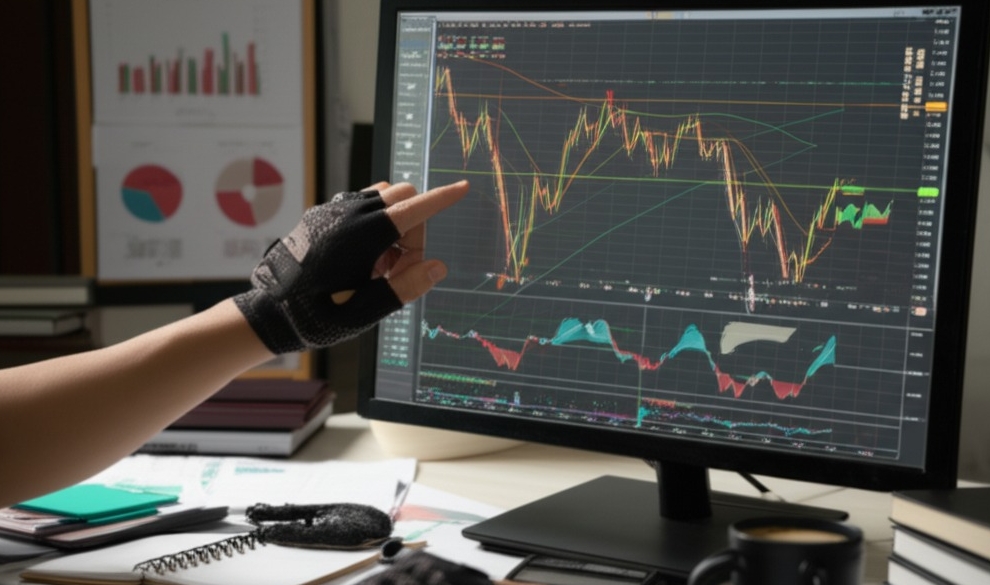
Price charts are the backbone of technical analysis, offering a visual representation of currency pair movements. Recognizing trends—whether uptrends, downtrends, or sideways trends—helps you predict potential future moves. Key tools include trend lines, timeframes, and understanding market structure. For example, in an uptrend, the market shows higher highs and higher lows. Identifying these trends can significantly improve your trading decisions.
Popular Technical Indicators Explained
Technical indicators act as your trading tools, helping you interpret charts. Common ones include:
Moving Averages (MA): Smooth out price data to identify trends.
RSI (Relative Strength Index): Helps spot overbought or oversold conditions.
MACD (Moving Average Convergence Divergence): Indicates changes in momentum.
Bollinger Bands: Measure volatility and potential overbought or oversold conditions.
Fibonacci Retracement: Identifies potential reversal levels.
These indicators are essential in determining when to buy or sell.
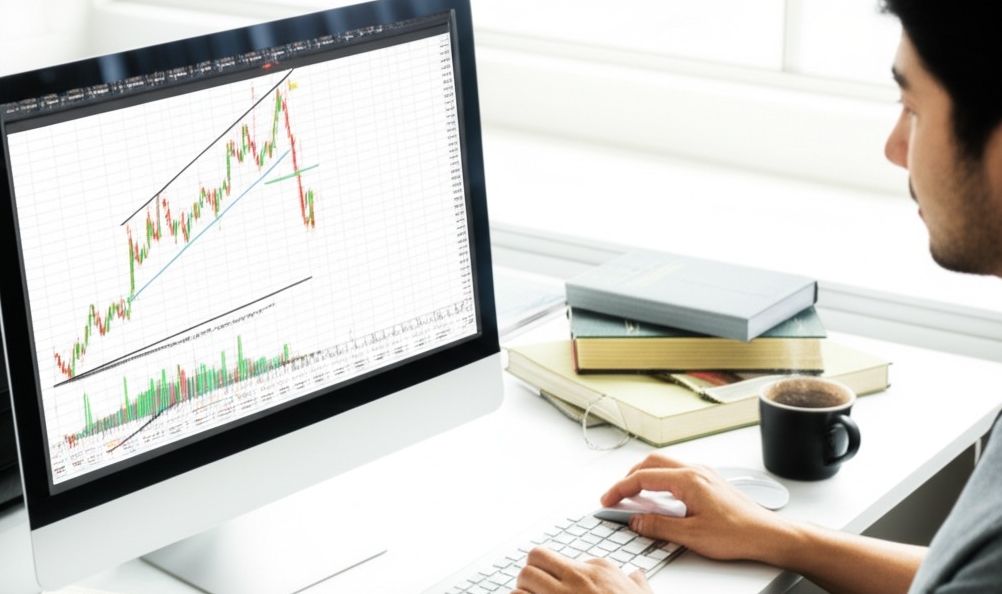
How to Spot Chart Patterns
Chart patterns give hints about market direction. Common patterns include:
Support and Resistance: Levels where the price tends to bounce or reverse.
Head and Shoulders: A reversal pattern indicating trend change.
Double Top/Bottom: Signal price reversal at key points.
Triangles and Flags: Continuation patterns that predict further price movement.
Knowing how to recognize these patterns is crucial for making confident trading decisions.
Common Mistakes in Technical Analysis
Even the best traders make mistakes. Some common pitfalls include:
Overtrading: Taking too many trades, often out of boredom.
Emotional Trading: Letting fear or greed drive decisions.
Over-reliance on Indicators: Too many indicators can lead to confusion.
Ignoring Risk Management: Not protecting profits or cutting losses too late.
Confirmation Bias: Seeking only data that supports your belief.
Avoiding these mistakes can make all the difference in your success.
What is Fundamental Analysis?
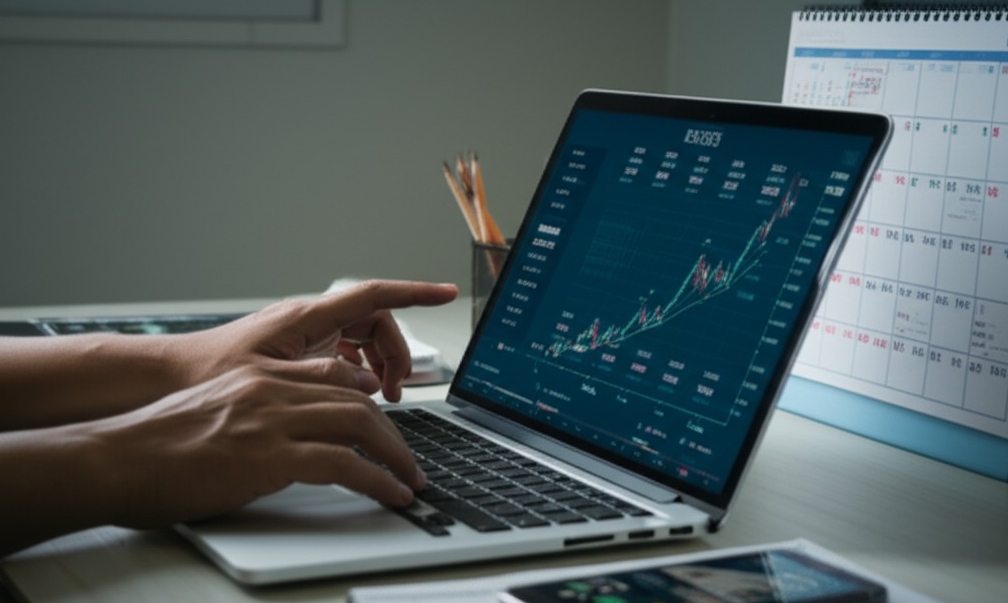
Fundamental analysis in Forex trading revolves around evaluating economic, financial, and geopolitical factors that influence currency movements. By understanding key economic indicators and global events, traders can forecast potential trends in the market.
Economic Indicators that Move the Market
Economic indicators are crucial for determining a country's economic health, which directly impacts its currency value. Key indicators include:
| Indicator | What It Measures | Impact on Forex |
|---|---|---|
| GDP | Total economic output of a country | Shows overall economic health; affects currency value |
| CPI & PPI | Inflation and price changes | Rising inflation can devalue currency; affects central bank policy |
| Unemployment Rate | Strength of the job market | High unemployment signals economic weakness |
| Retail Sales | Consumer spending habits | Higher spending is a sign of economic growth |
| Industrial Production | Manufacturing sector output | Reflects strength of economy and business activity |
| Consumer Confidence | Consumer sentiment about the economy | High confidence supports growth, currency value |
Together, these indicators paint a picture of a country's economic strength and guide traders' decisions.
How News Events Affect Forex Prices
News releases can send shockwaves through the Forex market, moving currency pairs in an instant. Economic calendars help traders stay on top of important events like:
Central Bank Announcements: Changes in monetary policy (interest rates, quantitative easing).
Geopolitics: Elections, wars, or other significant events.
Market Sentiment: How news impacts the mood of traders.
Traders need to react quickly as news can lead to increased volatility and changes in exchange rates.
Understanding Interest Rates and Inflation
Interest rates and inflation are at the core of any fundamental analysis. Central banks, like the Federal Reserve, adjust interest rates to manage inflation and stimulate or slow down the economy.
Higher interest rates can make a currency more attractive to investors, driving its value up.
Inflation (tracked by CPI) affects the purchasing power of a currency and can signal future interest rate decisions.
These factors, tied to monetary policy, influence the Forex market in big ways.
What is Sentiment Analysis?
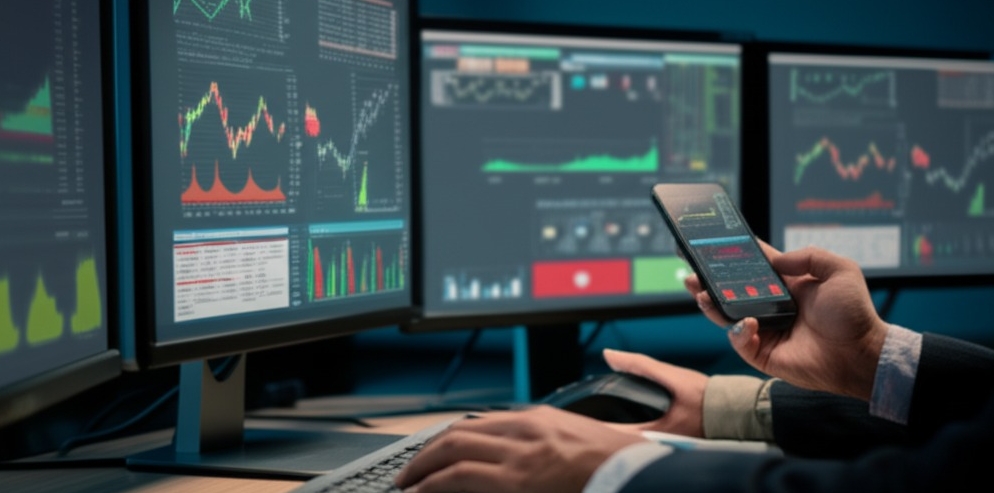
Sentiment analysis gives traders the ability to gauge the "mood" of the market. It focuses on how emotions like fear, greed, and optimism influence market movements. Let’s break down what drives sentiment and how you can measure it effectively.
What Drives Market Sentiment?
Market sentiment is shaped by a wide range of factors, and understanding these influences is crucial to forecasting price movements.
Economic Data: Key economic reports like GDP, unemployment, and inflation rates directly affect investor sentiment. Positive reports typically boost confidence, while negative ones can trigger caution.
News Headlines: The latest breaking news, from political upheaval to financial scandals, can quickly shift market moods. Traders are especially sensitive to headlines regarding economic policies and geopolitical events.
Social Media Trends: In the age of instant information, platforms like Twitter or Reddit can spread sentiment quickly. A viral tweet or post can move markets, especially in cases like the GameStop trading frenzy.
Investor Confidence: When investors feel confident in the market’s future, they buy more. When they’re uncertain, they pull back. This collective confidence can drive entire sectors or markets higher or lower.
Political Events: Government decisions, such as new policies, elections, or international relations, can either calm or excite the market. Trade agreements or regulatory changes can shift sentiment drastically.
Company Earnings: Corporate earnings reports influence market sentiment, particularly for stocks. Positive earnings can trigger bullish sentiment, while disappointing results can cause prices to fall.
Speculation and Fear: Sometimes market sentiment is driven by rumors or fear of the unknown, which can cause prices to spike or plummet regardless of the underlying data.
Sentiment analysis helps traders understand not just the facts, but the emotional energy driving the market. Recognizing these emotional swings is key to timing trades effectively.
Tools to Measure Market Sentiment
Traders use various tools to measure sentiment, allowing them to make more informed decisions based on market emotions.
| Tool | Description | Purpose |
|---|---|---|
| Sentiment Analysis Software | Platforms that analyze data across multiple sources, like news, social media, and financial reports. | Provides a consolidated view of market mood. |
| Social Media Monitoring | Tracks social media platforms (Twitter, Reddit, etc.) for market trends and mood shifts. | Identifies real-time market sentiment changes. |
| Put-Call Ratio | Measures the number of put options vs. call options. A higher number of puts suggests bearish sentiment. | Indicates potential market downturn or fear. |
| Volatility Index (VIX) | A measure of market volatility, often referred to as the "fear index." | Assesses market risk and investor anxiety. |
| News Sentiment Indices | These indices assess the overall tone of news reports (positive or negative). | Helps gauge whether market sentiment is bullish or bearish. |
| Investor Surveys | Surveys that measure investor outlook on the market, usually through sentiment indicators. | Provides insight into the collective mood of investors. |
These tools help you "read the room" of the market, making it easier to predict future movements based on the collective feelings of market participants. By understanding sentiment, you can avoid making decisions purely based on technical or fundamental analysis and instead factor in the market's psychological state.
Combining Technical & Fundamental Analysis
Combining Technical Analysis and Fundamental Analysis can be a game-changer in the Forex world. This blended strategy offers you a holistic view of the market, helping you make more informed decisions and reducing the risks often associated with trading. When you understand how to integrate both approaches, you’re likely to improve your performance and timing.
The Power of Combining Both Approaches
Integrating Technical Analysis with Fundamental Analysis creates a synergy that gives traders a more comprehensive strategy. Here’s how it works:
Technical analysis provides real-time price trends and insights based on historical data, offering immediate signals for trade entries and exits.
Fundamental analysis looks at the bigger picture, such as economic data, interest rates, and financial reports, to assess the long-term potential of a currency or asset.
By combining the two, you get a dual approach that accounts for both the short-term market fluctuations and the long-term economic conditions. This synthesis helps you minimize risks and optimize profits by making well-rounded decisions.

When to Rely on Technical vs. Fundamental
Deciding when to use each analysis depends on your trading goals. Here’s a breakdown:
Technical analysis is ideal for short-term trading, such as day trading or swing trading. It helps you time entries and exits based on price trends, chart patterns, and market indicators.
Fundamental analysis is more suited for long-term investment decisions. If you’re focused on understanding a currency’s intrinsic value, economic indicators, and global events, fundamentals will guide your decisions.
Here’s a quick comparison of Technical vs. Fundamental:
| Aspect | Technical Analysis | Fundamental Analysis |
|---|---|---|
| Focus | Price trends, patterns, and indicators | Economic data, financial reports, news events |
| Timeframe | Short-term (hours to days) | Long-term (months to years) |
| Use | Entry and exit points | Assessing long-term value and market direction |
How to Make Informed Decisions Using Both
The key to maximizing the effectiveness of both methods is in synthesizing them. Here’s how you can do it:
Use technical analysis to get a clear idea of market timing—when to buy and sell based on price movements.
Combine it with fundamental analysis to understand the economic backdrop of your trades. For example, if technical signals suggest a buying opportunity but fundamental data points to a downturn, you might reconsider.
By bringing both methods together, you can improve risk assessment and build a more robust portfolio. This comprehensive approach enhances decision-making, ensuring that both short-term and long-term trends align.
Case Study: Combining Both Methods
Consider the example of a trader analyzing the USD/JPY currency pair. The trader spots a strong bullish trend in the charts, signaling a good entry point based on technical analysis. Simultaneously, fundamental analysis reveals that strong US job reports and interest rate hikes are expected, suggesting that the USD will continue to appreciate in the long term.
In this case, combining both approaches offers a clearer view of the market, allowing the trader to make a well-informed decision based on both immediate price signals and economic forecasts.
Mistakes to Avoid When Combining Approaches
While the integration of both strategies can be powerful, here are a few common errors to watch out for:
Over-relying on one analysis method: If you only trust technical indicators and ignore the bigger picture of economic data, you could miss important trends.
Conflicting signals: Technical and fundamental analyses can sometimes send opposite messages. In these cases, be careful not to let confirmation bias lead you into bad trades.
Ignoring the context: Always remember that market conditions are constantly changing. A strategy that works today may not work tomorrow, so adapt as needed.
By being aware of these pitfalls, you can better integrate both approaches without falling into the trap of misapplication.
Is Sentiment Analysis Effective?
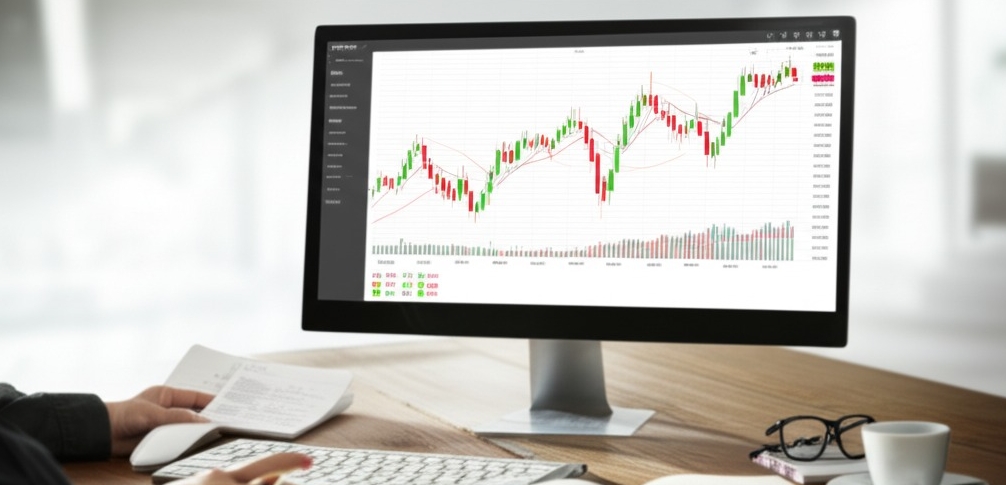
Sentiment analysis is a powerful tool for traders trying to understand market mood, but just how reliable is it in practice? In this section, we’ll dive deeper into its pros, limitations, and real-world applications to help you determine if it’s worth using in your Forex trading strategy.
The Pros of Using Sentiment Analysis
Sentiment analysis provides traders with a clear view of the market's overall mood. By processing data from customer feedback, social media, and market research, sentiment analysis can uncover hidden insights that guide trading decisions. The main benefits include:
Data Efficiency: It offers quick, real-time assessments of market sentiment, saving traders time.
Automation: With AI-driven tools, sentiment analysis can process large amounts of data automatically, cutting down on manual work.
Market Insights: By evaluating the mood around specific assets, it helps traders predict market swings more accurately.
Here’s an example breakdown of the efficiency of sentiment analysis tools compared to traditional analysis:
| Tool | Time Taken (Manual) | Time Taken (Sentiment Analysis Tool) | Accuracy |
|---|---|---|---|
| Customer Feedback | 2 hours | 30 minutes | High |
| Social Media Trends | 1 hour | 10 minutes | Moderate to High |
| Brand Monitoring | 3 hours | 1 hour | High |
Limitations of Sentiment Analysis
While powerful, sentiment analysis has its drawbacks. The main drawbacks stem from its accuracy issues and its struggle to capture the nuances of human language. These challenges include:
Context Issues: Sentiment analysis often fails to detect sarcasm or subtle nuance, which can distort the meaning of a message.
Subjectivity: People express their opinions in highly subjective ways, making it difficult for tools to gauge sentiment in a way that always aligns with human understanding.
Cultural Differences: The interpretation of words and phrases varies by culture, so sentiment analysis tools might not fully grasp local sentiment in different regions.
A good example is during an economic downturn, where people’s negative posts may actually reflect fear rather than a rejection of the currency in question. This makes interpreting sentiment tricky without understanding cultural context.
Real-World Examples of Sentiment in Action
Sentiment analysis isn’t just a theory—it’s actively used in many sectors, including finance, customer service, and even political campaigns. Below are some common examples of how sentiment analysis shapes decisions in the real world:
Customer Service: Brands use sentiment tools to monitor customer feedback and adjust responses quickly. For example, a company might not
Strengths and Limitations of Each Analysis

Strengths of Technical Analysis
Technical analysis is a popular method among traders due to its clear and structured approach to market analysis. It’s all about identifying patterns, signals, and trends to predict future market movements. Let’s dive into the key strengths:
Chart patterns and indicators are essential for identifying price trends and making informed decisions.
Trend identification helps traders spot potential moves early, while volume analysis gives insights into the strength of a trend.
Relies heavily on historical data and price action, which can provide a reliable view of market behavior over time.
Support and resistance levels make it easier to pinpoint entry and exit points.
The method is objective and visually appealing, offering clear signals without relying on interpretation.
Limitations of Technical Analysis
While technical analysis offers many advantages, it’s not without its flaws. Here are some challenges to keep in mind:
False signals can occur, misleading traders into entering or exiting a position at the wrong time.
Lagging indicators often result in delayed signals, which may not reflect real-time market conditions.
Traders can over-rely on technical analysis, ignoring the impact of fundamentals or unforeseen market events.
Market manipulation can distort patterns, leading to whipsaws or false breakouts.
External factors like economic news or geopolitical events can dramatically change the market, overriding technical analysis.
Data interpretation might be influenced by subjectivity, as different traders could interpret patterns differently.
| Strengths of Technical Analysis | Limitations of Technical Analysis |
|---|---|
| Clear chart patterns and indicators | Can give false signals or mislead traders |
| Identifies trends early, timely insights | Lagging indicators lead to delayed signals |
| Based on historical data and price action | Over-reliance can neglect fundamentals |
| Objective and visual, easy to follow | Market manipulation can distort data |
| Support and resistance levels for entry | External factors may override analysis |
Advantages of Fundamental Analysis
Fundamental analysis focuses on understanding the economic factors that drive the market. While technical analysis deals with price movement, fundamental analysis digs into the intrinsic value of a currency or asset. Here are the key advantages:
It evaluates economic factors like interest rates, inflation, and GDP to forecast future price movements.
Looks at financial statements to assess a company’s profitability, growth potential, and overall health.
Aids in long-term investing by identifying valuation gaps and determining the competitive advantage of a currency or stock.
Provides deeper insight into company health and management quality, which are crucial for understanding long-term stability.
Challenges in Using Sentiment Analysis
Sentiment analysis is a valuable tool for assessing the mood of the market, but it comes with its own set of challenges. Here’s what to keep in mind:
Data noise and fake news can distort sentiment analysis, leading to inaccurate readings.
Real-time processing is often difficult, meaning that sentiment data can lag behind market movements.
Interpretation challenges arise due to context ambiguity or sarcasm detection, which can skew results.
Sentiment analysis also struggles with large data volumes, and traders may find it difficult to sift through the noise to find useful insights.
The manipulation risk of sentiment data is high, as traders or news outlets can intentionally shape market perceptions.
Cultural nuances play a role in sentiment interpretation, making global sentiment analysis a bit tricky.
Which Analysis is Best for You?
Choosing the right Forex analysis method depends on a mix of your personality, trading style, and goals. Let’s dive into what factors to consider and how to match them with your style.

Factors to Consider When Choosing Your Method
When selecting your analysis approach, think of it like choosing materials for a project—each method has its own qualities, much like fabric, metal, or plastic. Some are more suited to fast-paced trading (like technical analysis), while others might require more patience (fundamental analysis).
Key considerations:
Time commitment: Are you ready to put in hours analyzing data, or do you need something quicker?
Risk tolerance: More in-depth methods, like sentiment analysis, could be risky without clear trends.
Personal preferences: Just like some prefer vacuuming over spot cleaning, some traders thrive with visual charts, while others need a more research-heavy approach.
Matching Your Trading Personality with an Analysis Style
Your trading personality plays a huge role in picking the right analysis. Think about how you approach tasks—do you dive in headfirst, or prefer to step back and analyze all the angles first?
Patience: If you’re methodical, fundamental analysis might be for you. It’s all about long-term trends and understanding the bigger picture.
Speed: If you like quick decisions and fast results, technical analysis could be your go-to.
Caution: If you lean toward cautious strategies, sentiment analysis could be a valuable tool for gauging market mood.
Choosing an analysis method is like finding a cleaning method that works for your home—pick the one that fits your rhythm, goals, and risk level.
Conclusion
Forex trading isn't about luck; it's about smart decisions, and good analysis makes all the difference. We've covered the three main types of analysis: Technical, Fundamental, and Sentiment. Each method offers a unique way to approach the market.
Like seasoned trader Rayner Teo puts it, "It’s not about being perfect, it’s about being consistent." So find what works for you, mix and match, and keep testing until you find your rhythm.
Now, it's your turn. Dive in, experiment, and start trading with confidence.
Technical analysis involves analyzing past market data, primarily price and volume, to forecast future price movements. It’s like looking at the map of a road to predict where you’ll go next. Traders use charts, indicators, and patterns to identify trends and make predictions. It’s all about numbers, graphs, and patterns!
Economic indicators provide vital clues about the health of an economy, which in turn impacts currency values. Forex traders watch these closely to anticipate shifts in the market.
GDP (Gross Domestic Product) – Indicates the overall economic health.
Interest Rates – Affects investment flows and currency value.
Inflation Rate – Directly impacts currency strength.
Unemployment Rate – Shows the health of a labor market and economy.
Sentiment analysis is essential because market movements are not just driven by cold hard data but by how traders feel about the market. Traders make decisions based on emotions like fear or greed, which can lead to trends that aren't always based on logic.
Technical analysis uses tools like charts, trend lines, and indicators to track price movements. Traders believe that history tends to repeat itself in predictable ways, and by studying patterns and trends, they can identify future price movements.
In short:
Charts – Visual representation of price history.
Indicators – Tools to measure market conditions.
Patterns – Repeating price formations like head-and-shoulders.
Combining technical and fundamental analysis is like having two different lenses to view the market. It helps traders get a fuller picture.
Start with fundamental analysis to understand the 'why' behind market movements (e.g., economic reports).
Then use technical analysis to time your entry and exit points based on market trends and patterns.
While sentiment analysis can be a great tool, it’s not foolproof. It shows how the majority feels, but that sentiment can be wrong or shift quickly.
It works best when paired with technical and fundamental analysis to provide a more rounded view.
Forex traders pay close attention to economic news because major events can cause sharp movements in the currency market. For example:
By reacting to these events quickly, traders can catch trends before they stabilize.
Interest rate changes: These can lead to sharp price fluctuations.
Political events: Elections or policy changes may affect currency strength.
Natural disasters or wars: These can create uncertainty, leading to volatility.
When using technical analysis, it’s easy to fall into some traps. A few common mistakes include:
Avoiding these pitfalls helps maintain a clear and effective strategy.
Overloading on indicators: Too many signals can lead to confusion.
Ignoring the bigger trend: Focusing too much on small price movements can cause you to miss the bigger picture.
Not factoring in external events: News and global events still matter.
For beginners, fundamental analysis is often the easiest place to start. It helps you understand the 'why' behind currency movements and provides a solid foundation for trading.
However, combining basic technical analysis as you grow is a smart move, as it gives you more tools for timing your trades.