


Table of contents
What Type of Forex Trader Are You? If you’re thinking about jumping into the world of Forex trading, it’s crucial to know one thing: the strategy you choose can make or break your success. The market's fast, and each trader has their own rhythm. Some love the hustle and bustle, others prefer a more laid-back approach. The key is finding what fits you.
Choosing the right trading style is like picking a workout routine. Some people hit the gym every day, others prefer yoga, and some like to go all-in with a marathon. Same goes for trading. It’s about your personality and what you’re comfortable with.
As renowned trader Mark Douglas says, “Trading is not about what you do, it’s about how you do it.” So, let’s dive into which style matches your vibe and set you up for success in this fast-paced market.
What is Forex Trading?
Forex trading is the act of buying and selling currencies in a global marketplace. It's one of the most liquid markets, where trillions of dollars are exchanged daily. Let’s break down what you need to know before diving in.

Understanding Currency Pairs
In Forex, currencies are traded in pairs. The first is called the base currency, and the second is the quote currency. For example, in the EUR/USD pair, EUR is the base, and USD is the quote currency. The exchange rate shows how much of the quote currency you need to buy one unit of the base currency. Pips, bid prices, and ask prices are key concepts, as they determine the price movement.
Market Hours and Trading Times
The Forex market operates 24 hours a day, but it's essential to know when the market is most active. Trading sessions like the New York session, London session, Tokyo session, and Sydney session are all time zones where liquidity and volatility can increase. The market opens at 5 p.m. EST on Sunday and closes on Friday at 5 p.m. EST, with the most exciting moments occurring during the overlapping hours of New York and London.
The Role of Leverage in Forex
Leverage in Forex allows traders to control larger positions with a small amount of capital. However, it can magnify both gains and losses, making risk management a crucial part of the game. For instance, if you use leverage of 100:1, a $1,000 investment can control a $100,000 position. While leverage offers greater profit potential, it also increases the likelihood of a margin call if the market moves against you.
How to Identify Your Trading Style?
Identifying your ideal trading style isn't just about strategy—it's about aligning with your personal traits, time availability, risk appetite, and experience. Let's break it down!

Personality Traits and Their Impact on Trading
Your personality plays a huge role in how you approach trading. Traders with strong emotional control and discipline tend to thrive in environments that require decision-making under pressure. On the flip side, if you're naturally impulsive or struggle with patience, scalping or day trading might be a rough match. Understanding how your personality fits into the bigger picture of market psychology can make a huge difference.
The Role of Time Commitment in Choosing a Style
How much time do you have to dedicate to trading? If you're working full-time or have a busy schedule, long-term investing like position trading might be more your style. But if you're ready to dive into the fast-paced action, day trading or swing trading can offer more flexibility to fit into your routine. Balancing time with strategy is key.
Risk Tolerance and Style Fit
Your comfort with risk should align with your trading style. Day traders and scalpers are often comfortable with volatility, but position traders may lean towards a more conservative approach, focusing on long-term growth. It's all about figuring out where your comfort level lies and choosing a style that matches your risk tolerance.
Assessing Your Trading Experience Level
Your level of experience in trading can directly influence the style that suits you. Beginners might start with swing trading or position trading, where the stakes aren’t as high. As you gain more skills and a track record, you may feel more comfortable with advanced strategies like scalping or day trading. Continuous learning is the key to progressing.
Scalping: Fast-Paced Trading
Scalping is a lightning-fast trading strategy that thrives on small price movements. Let’s break down what it involves and whether it's the right fit for you.
What is Scalping?
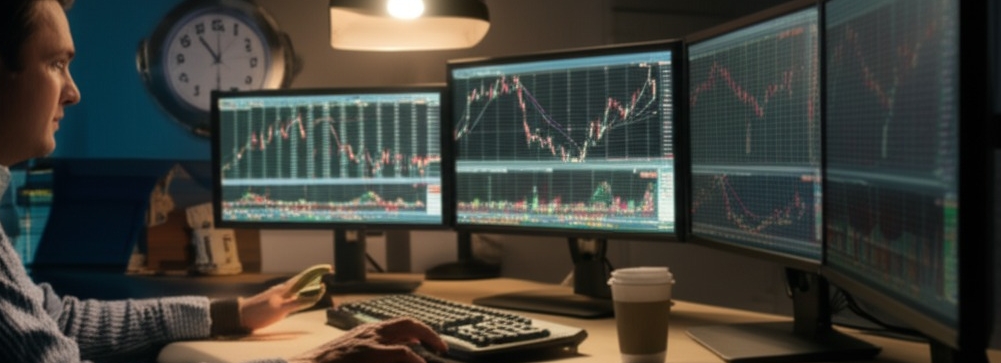
Scalping is all about executing a high frequency of trades to capture tiny profits from small price movements. It’s a short-term trading strategy that requires intense focus and quick execution. Scalpers make their moves in seconds or minutes, taking advantage of small market fluctuations. They rely on liquidity, low bid-ask spreads, and rapid execution speeds to turn a quick profit.
Pros and Cons of Scalping
Scalping can be thrilling, but it’s not without its challenges.
Pros:
Quick profits with high-frequency trades
Minimal market exposure
Lower risk of large market shifts
Cons:
High transaction costs and broker fees
Stressful and requires a lot of focus
Potential slippage and capital requirements
Scalping is suited for traders who thrive on fast-paced action and can handle the stress of frequent trades. However, the high risk and significant time commitment can be a dealbreaker for some. Make sure to weigh the pros and cons before diving in!
Day Trading: Quick Trades, Big Moves
Day trading is all about making quick decisions and capturing short-term market movements. Let’s break down what it takes to dive into this fast-paced world.

The Basics of Day Trading
Day trading involves buying and selling financial instruments within the same trading day. Traders capitalize on short-term market fluctuations using technical analysis and market analysis to predict price movements. The aim is to enter and exit positions quickly, often in minutes or hours. Key aspects include managing entry points, exit points, and utilizing stop-loss and profit targets. Successful day traders need a solid grasp of risk management and trading psychology. As legendary trader, Jesse Livermore, once said, "The stock market is never obvious. It is designed to fool most of the people, most of the time."
Required Tools and Platforms for Day Traders
To trade effectively, you’ll need the right tools. The foundation of day trading is a trading platform and a brokerage account. You'll also need charting software for real-time analysis. With the fast pace of day trading, high-speed internet and multiple monitors are crucial for staying on top of market movements. Don’t forget a mobile trading app for trading on the go, and market scanners to spot opportunities in real time.
| Broker/Platform | Key Features | Best For |
|---|---|---|
| TD Ameritrade | Advanced charting, fast execution | Beginners and pros |
| Interactive Brokers | Low fees, global access, multiple asset types | International trading |
| E*TRADE | User-friendly, real-time data | Casual traders |
| Fidelity | Excellent customer support, low fees | Long-term and day traders |
| Charles Schwab | Powerful tools, low commission rates | Active traders |
Advantages and Risks of Day Trading
Day trading offers high potential returns but comes with significant risks. On the plus side, it allows for quick profits due to market volatility and liquidity. However, you need to manage stress and emotional discipline, as the fast-paced nature of the trade can take a toll. The Pattern Day Trader rule requires certain capital, and leverage can amplify both gains and losses. It’s essential to be aware of tax implications and the time commitment needed for this intense trading style.
Advantages:
High profit potential from market volatility
Ability to enter and exit trades rapidly
Opportunities in liquid markets
Risks:
High emotional stress and discipline required
Significant capital requirements
Tax implications due to short-term gains
Swing Trading: Riding the Waves
Swing trading is all about catching the "waves" in the market—capitalizing on short- to medium-term price movements. Let’s break down how it works and who should consider this approach.
What is Swing Trading?
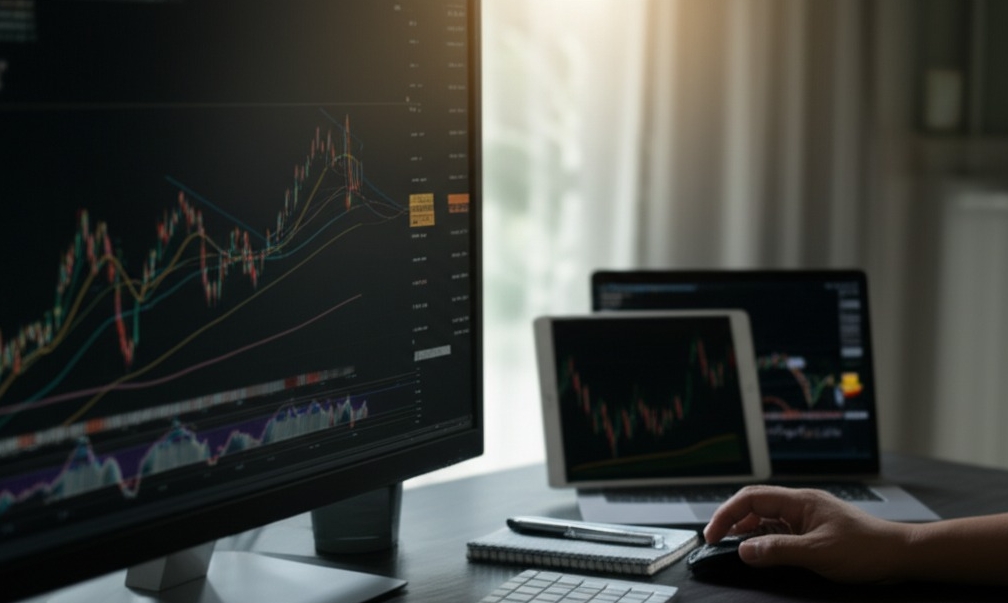
Swing trading focuses on profiting from market trends over a few days or weeks. Traders hold positions longer than day traders but shorter than position traders. It's all about riding the market "waves" to capitalize on price swings. The strategy relies on technical analysis to predict short-term price movements, aiming for profits while minimizing risks.
Timeframes in Swing Trading
Swing traders typically use daily, weekly, and 4-hour charts. These timeframes allow traders to spot trends and predict future movements. Daily charts help identify overall trends, while hourly charts zoom in on entry and exit points. The holding period typically ranges from a few days to several weeks, depending on market cycles and strategy.
| Chart Type | Timeframe | Purpose |
|---|---|---|
| Daily Charts | 1 day | Identifies long-term trends and market direction |
| Weekly Charts | 1 week | Analyzes broader trends and longer-term setups |
| 4-Hour Charts | 4 hours | Pinpoints short-term trade setups and entry/exit points |
| Hourly Charts | 1 hour | Zooms in for precise entry and exit details |
How to Spot a Swing Trade Opportunity
Spotting a swing trade opportunity requires sharp analysis. Look for key patterns like breakouts, reversals, or support and resistance levels. Trend lines and chart patterns are crucial tools for entry and exit points. Remember, the goal is to ride the wave—identify a clear trend and wait for the ideal moment to enter.
Technical Analysis for Swing Traders
Technical analysis is the bread and butter of swing trading. Use RSI, MACD, and Bollinger Bands to gauge market momentum. Moving averages help identify trends, while volume analysis signals strength. By combining multiple indicators, you can fine-tune your strategy and make smarter trading decisions based on price action.
Swing Trading vs. Day Trading
While both swing trading and day trading involve taking advantage of market movements, the key difference lies in the holding period. Swing traders hold positions for days or weeks, while day traders close their positions within the same day. Swing traders face less capital requirements and less market volatility in comparison. The time commitment for swing trading is generally lower than day trading, but the risk profile and profit potential differ.
| Aspect | Swing Trading | Day Trading |
|---|---|---|
| Holding Period | Days to weeks | Same day |
| Capital Requirement | Lower | Higher |
| Risk Profile | Moderate | High |
| Time Commitment | Moderate | High |
| Profit Potential | Medium | High |
Position Trading: Long-Term Stability
Position trading focuses on long-term investment, ideal for those with patience. It’s all about riding market trends over months or even years.

What is Position Trading?
Position trading is a strategy where traders hold positions for extended periods, from weeks to years, to capitalize on long-term market trends. This style requires a deep understanding of both fundamental and technical analysis. Traders rely on macroeconomic factors, company fundamentals, and market trends to make decisions. The key is risk management, as holding positions for longer durations exposes traders to various risks, including market volatility. Position trading isn’t about quick wins—it’s about steady growth and strategic planning, making it a popular choice for long-term investors.
Long-Term Strategies for Position Traders
Long-term strategies in position trading focus on holding assets for extended periods, often using trend-following techniques. These traders typically practice value investing, growth investing, or a mix of both. The aim is to buy and hold, taking advantage of market growth over time. They also consider macroeconomic factors, like economic cycles and interest rates, to align with their trading strategies. Managing a portfolio that balances these elements helps mitigate risks. If you're in it for the long haul, position trading offers a solid way to build wealth without the stress of day-to-day market swings.
| Strategy | Key Focus | Example Asset Type | Suitable For |
|---|---|---|---|
| Value Investing | Buying undervalued assets | Stocks, Bonds, ETFs | Risk-averse traders |
| Growth Investing | Focus on assets with high growth potential | Tech stocks, Startups | Risk-tolerant traders |
| Trend Following | Riding established market trends | Commodities, Index funds | Trend-focused traders |
Which Trading Style Is Best for You?
Selecting the right Forex trading style is as much about understanding your personal preferences as it is about knowing how each style works. If you are considering jumping into the Forex market, it is essential to choose a strategy that aligns with your personality, risk tolerance, and lifestyle. There is no one-size-fits-all approach, and trading styles like scalping, day trading, swing trading, and position trading each have unique features that cater to different traders. Understanding these differences can help you make an informed choice.
Scalping: For the Fast-Paced Risk Taker
Scalping is intense. It requires quick decision-making and the ability to think on your feet. If you thrive in high-pressure situations and enjoy fast results, scalping might be the perfect fit. Scalpers aim for small profits, typically holding positions for minutes or even seconds. It is the ultimate test of focus, and the success of a scalper depends heavily on market timing, technical indicators, and efficient execution.
Key Considerations for Scalping:
Time Commitment: Requires full attention throughout the trading day.
Risk Tolerance: High, given the rapid pace and small margin per trade.
Capital Size: You may need smaller capital but make up for it through large trade volumes.
Day Trading: Quick Trades, Big Moves
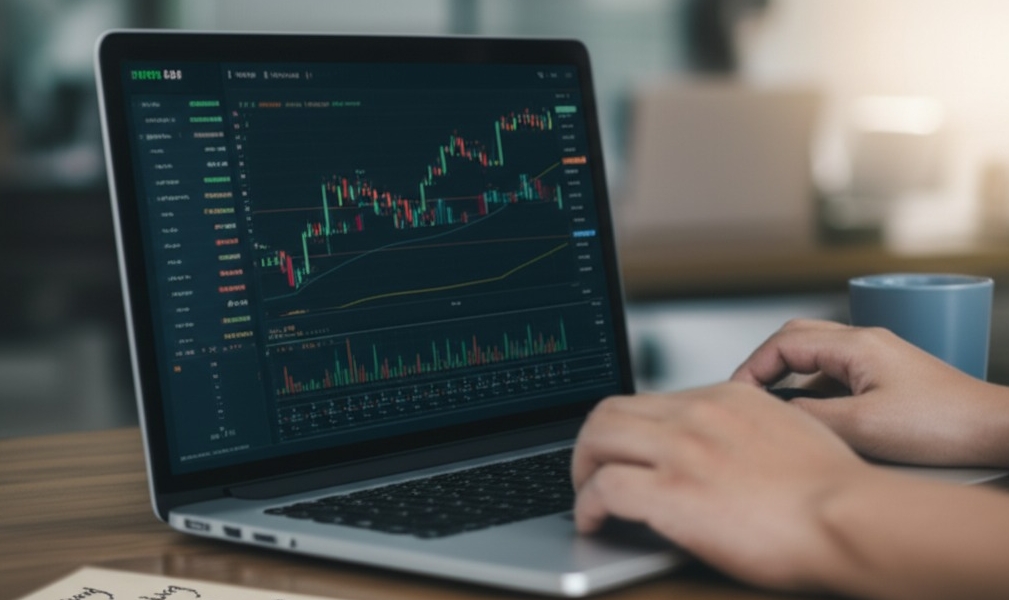
Day trading is slightly less intense than scalping but still requires constant monitoring of the market. Day traders make multiple trades in a single day, closing all positions by the market’s close. If you are someone who prefers active engagement but with a bit more breathing room, day trading can offer that balance. It is perfect for traders who like making quick decisions without holding onto positions overnight.
Key Considerations for Day Trading:
Time Commitment: Involves significant time during trading hours.
Risk Tolerance: Medium to high risk, depending on the size of trades.
Capital Size: Generally requires moderate capital to manage multiple trades and maintain margin.
Swing Trading: A Balanced Approach
Swing trading is ideal for those who want to capture market movements over several days or weeks. It combines elements of both short-term and long-term strategies. Swing traders focus on profiting from price swings, holding positions for a few days to a few weeks. If you are someone who wants a bit more flexibility and has the patience to wait for trades to unfold, swing trading offers the right mix of action and relaxation.
Key Considerations for Swing Trading:
Time Commitment: Moderate. Can be done in your spare time, without constant monitoring.
Risk Tolerance: Medium risk, depending on market volatility.
Capital Size: Requires enough capital to sustain longer positions, but less than day trading.
Position Trading: The Long-Term Strategy
For those who are patient and have a solid grasp of the broader market trends, position trading is a great option. Position traders focus on long-term trends, holding positions for weeks, months, or even years. This style is best suited for individuals who are not looking for quick returns but prefer to take advantage of larger price movements over time.
Key Considerations for Position Trading:
Time Commitment: Low. Only requires periodic market checks.
Risk Tolerance: Low to medium risk, depending on the strategy.
Capital Size: Larger capital is often needed to manage long-term trends effectively.
Which Trading Style Is Right for You?
Choosing the right trading style depends on several personal factors:
Risk Tolerance: How much risk can you handle? Scalping and day trading require a higher risk appetite compared to position trading.
Time Commitment: Do you have the time to monitor the markets constantly, or would you prefer a less demanding approach?
Personality Type: Are you someone who thrives under pressure, or do you prefer to take your time and make calculated decisions?
Reflecting on these factors is essential to find a trading style that fits your lifestyle. Remember, trading is not just about the strategy but how well that strategy fits your personal preferences and goals.
How to Evolve Your Trading Approach?
Trading is a journey, and adapting to the market is key. Let’s dive into how you can evolve your approach over time to stay sharp and ahead of the curve.
Adapting Your Style as Market Conditions Change
Market conditions can shift quickly. The key is adapting by adjusting your trading strategy. For example, in times of market volatility, you may need to be more cautious and refine your risk management techniques. As economic indicators change, so should your portfolio. Flexibility and trend identification can keep you profitable in both bullish and bearish cycles.
Learning from Your Trading Mistakes
Every trader makes mistakes. The trick is to learn from them. Through error analysis, you can pinpoint what went wrong and make necessary corrections. Post-trade review is crucial for improving your emotional control and discipline. Keeping a feedback loop allows you to apply self-reflection and avoid similar errors in the future. That way, losses become stepping stones for better strategies.

Using Trading Journals for Growth
A trading journal is your personal roadmap to improvement. By tracking performance, you can identify patterns in your decision-making. Emotional tracking also helps spot areas for improvement in psychological trading aspects. It’s like setting clear goals and holding yourself accountable. As you refine strategies, the insights from your journal keep you on track for success.
Continuous Education and Skill Improvement
Never stop learning. Whether it’s through online courses, reading up on market knowledge, or attending workshops, continuous skill development is crucial. Staying on top of financial literacy helps you identify opportunities faster. Mentorship and expert insights can take your trading to the next level by offering fresh perspectives and tools for better decision-making.
Conclusion
Choosing your trading style is like picking a pair of shoes—it has to fit you right. No one strategy works for everyone. Some thrive in the fast-paced world of scalping, while others prefer the slower, steady approach of position trading.
As veteran trader Mark Douglas once said, “Trading is all about finding a rhythm that suits you.” So, take your time, figure out what clicks, and don’t be afraid to adjust along the way.
In the end, it’s about making informed choices and evolving as you go. Stick with it, and success will follow. Happy trading!
Forex trading, short for "foreign exchange trading," involves buying and selling different currencies against each other. The goal is to make a profit by capitalizing on fluctuations in exchange rates. For example, you might buy the Euro (EUR) when you think it will rise in value against the US Dollar (USD), and sell it once you’ve made a profit.
Leverage in Forex trading allows you to control a larger position than what you could with your initial capital. It amplifies both potential profits and losses. Here's a quick breakdown of how leverage works:
Leverage example: If you use 10:1 leverage, you can control a $10,000 position with just $1,000 of your own funds.
Higher leverage means greater risk.
Many brokers offer leverage of up to 100:1, but it’s essential to use it wisely.
A currency pair consists of two currencies: the base currency and the quote currency. The price of a currency pair reflects how much of the quote currency you need to buy one unit of the base currency.
For example, in the currency pair EUR/USD, the Euro (EUR) is the base currency, and the US Dollar (USD) is the quote currency. If the price is 1.1500, that means you need 1.15 USD to buy 1 Euro.
Scalping is a strategy where traders make numerous small trades throughout the day, aiming to capitalize on tiny price movements. It's a high-energy, fast-paced method, requiring precision and discipline.
Pros of Scalping:
Cons of Scalping:
Very high transaction costs can eat into profits.
Requires quick decision-making and emotional control.
Can generate small profits frequently.
Ideal for those who can commit to constant market observation.
Doesn't require large capital.
Risk management refers to strategies traders use to minimize their exposure to potential losses. By setting stop losses, diversifying, and using proper position sizes, traders can protect themselves from substantial losses. It’s about knowing how much you're willing to lose and sticking to it.
Key Risk Management Techniques:
Setting stop-loss orders to limit losses.
Calculating position size to avoid risking too much on one trade.
Using proper leverage levels to control exposure.
A stop-loss order is an automatic order placed to sell a currency pair when it reaches a certain price. It's designed to limit an investor's loss on a trade by ensuring the position is closed if the price moves unfavorably.
Stop-Loss Benefits:
Protects you from major losses if the market moves against you.
Allows for emotional detachment from trades.
Can be adjusted as the trade progresses.
A pip is a unit of measurement for the change in value between two currencies. In most pairs, a pip is the smallest price movement that can occur in the exchange rate, typically the fourth decimal place (0.0001).
For example, if the EUR/USD moves from 1.1300 to 1.1301, it has moved one pip.
Pip Calculation:
The value of a pip can vary depending on the currency pair and your trade size.
Pips are used to measure price movements in Forex and are critical for calculating profit or loss.