


Table of contents
Trading forex can feel like trying to catch lightning in a bottle—there’s big potential, but it’s risky. Using Margin in Forex Trading is like borrowing money from your broker to boost your buying power. Think of it like putting down a down payment on a house but being able to control the whole property. The idea? Maximize profits with less capital upfront. But like any shortcut, it comes with its own set of risks.
When margin’s on the line, you’re playing with fire—higher reward, sure, but higher risk too. Experts like Investopedia put it best: "Leverage allows traders to control larger positions, but it can quickly wipe out your funds if you’re not careful."
The trick to making margin work for you is knowing how much is too much, managing your risks, and avoiding common mistakes. So, let's break it down and get you up to speed without the fluff.
What Is Margin in Forex Trading
Margin trading is essential to understanding how to make the most of your forex investments. Let's break it down step by step.
Your Entry Point to Forex Trading
Margin is your ticket into the world of forex trading. It’s like putting down a deposit to control a larger position in the market. Without margin, you’d need the full amount of capital to trade. But with it, you can enter trades with much less upfront cash. So, in short, margin gives you buying power—think of it as a shortcut to trading bigger positions without breaking the bank.
Understanding How Margin Works in Forex
In forex, margin is the money you need to open a position, and it’s often tied to the concept of leverage. Leverage amplifies your position, meaning you can trade a larger amount than what you deposited. For example, if your broker offers 50:1 leverage, a $1,000 deposit allows you to control $50,000 in a trade.
Required Margin: The minimum you need in your account to open a position.
Free Margin: The remaining funds in your account that are available for additional trades.
Margin Call: If your equity drops below a certain level, your broker may require you to deposit more funds.
Key Terminology Every Trader Should Know
Before jumping into forex trading, you’ll need to understand some key terms. Here are a few to get you started:
Pip: The smallest price movement in a currency pair.
Lot: A standardized quantity of a currency traded in forex.
Spread: The difference between the bid and ask price.
Leverage: Allows you to control a larger trade size with less capital.
Bid/Ask: The price at which you can buy or sell a currency.
These terms lay the groundwork for understanding how margin works and how to navigate the forex market effectively.
Leverage vs. Margin
Leverage: What It Means for Your Trade
Leverage allows you to control a much larger position than you could with just your own capital. It’s essentially borrowing funds from your broker to magnify the potential for profits (and losses). While leverage sounds like a shortcut to quick profits, it’s important to realize that more leverage equals more risk.
Amplifying Exposure: With leverage, you can trade bigger positions with smaller amounts of capital. For example, with a 50:1 leverage ratio, you can control $50,000 in the market by only putting up $1,000.
Risk and Reward: Leverage doesn’t just boost the good times—it also increases the bad. A 1% movement in your favor could result in a 50% profit if you’re using 50:1 leverage. But a 1% loss could wipe out your entire position if you’re not careful.
How Brokers Help: Brokers provide leverage as a way to maximize your exposure to the market with less capital. However, the exact leverage offered can vary depending on the broker and the type of account you open.
“Leverage is like putting the pedal to the metal—just be mindful that it works both ways. If you go too fast, you might crash.” – Forex expert from BabyPips.
How Margin and Leverage Work Together
Margin and leverage are two sides of the same coin. Margin is the deposit or collateral you put down to enter a trade, while leverage allows you to borrow the rest from your broker to control a larger position. It’s important to understand both concepts together because they’re tightly interlinked, and your success depends on managing them wisely.
Margin is your investment: This is the portion of your account balance that you need to set aside to open a position. If you're using 100:1 leverage, your margin is the 1% of the trade’s total value.
Leverage boosts your buying power: Leverage lets you use the margin you put up as a down payment to control larger amounts of currency. For instance, with $1,000 margin and 100:1 leverage, you can control $100,000 worth of currency.
Risk management: If the market moves against your trade, a larger position means larger losses. If you don’t manage risk carefully, you could face a margin call—a situation where your broker demands you add more funds to keep the position open.
| Leverage Ratio | Margin Required (for a $10,000 position) | Exposure to Market |
|---|---|---|
| 10:1 | $1,000 | $10,000 |
| 50:1 | $200 | $10,000 |
| 100:1 | $100 | $10,000 |
| 500:1 | $20 | $10,000 |
In this table, you can see how leverage drastically reduces the margin requirement, allowing you to control a larger position with less capital. However, the higher the leverage, the higher the risk of a margin call if your trade doesn’t go as planned.
By understanding how margin and leverage work together, you’re better prepared to make informed decisions about your trading. Keep in mind that while leverage can amplify your profits, it can just as easily magnify your losses. Always use leverage cautiously, and never risk more than you can afford to lose.
How Much Margin Do You Need
Margin requirements are crucial for managing your trading risk.
Factors That Influence Margin Requirements
Several factors determine how much margin you’ll need to open a trade, and understanding them will help you manage your capital effectively.
Leverage: The amount of leverage you use directly impacts the margin needed. Higher leverage reduces the margin requirement, but it also amplifies your risk.
Volatility: Markets with higher volatility, such as during major economic announcements, usually require a larger margin. This helps protect both you and the broker from sudden, large price movements.
Account Type & Broker Policies: Different account types, such as standard or VIP accounts, often come with different margin requirements. Brokers may also have unique policies that influence these amounts.
Market Conditions: Strong trends or significant market events (e.g., economic reports) increase margin requirements to mitigate potential losses due to abrupt price shifts.
Position Size & Account Balance: Larger positions require more margin. Additionally, if your account balance is low, brokers may demand more margin to maintain the trade.
Broker-Specific Margin Requirements
Each broker has its own approach to margin requirements, and these policies can differ widely. Here’s a look at the factors brokers consider:
Brokerage Firm & Account Leverage: Each broker offers different leverage levels, which impact your margin. Brokers with higher leverage limits might allow you to trade larger positions with less margin.
Trading Platform & Deposit Requirements: Some brokers have stricter deposit requirements before allowing margin trading. A higher initial deposit might lower margin requirements.
Risk Management Systems: The way brokers assess and manage risk through their margin systems can affect how much margin you’ll need to open a position. Brokers with stricter margin call levels may require more margin upfront to reduce risk exposure.
Margin Calculations for Different Forex Pairs
Margin calculations are crucial for determining how much capital you need to commit to a position. Let’s break down how it works:
| Factor | Description | Example Calculation |
|---|---|---|
| Base Currency | The first currency in the pair (EUR/USD, GBP/USD). | EUR in EUR/USD |
| Quote Currency | The second currency in the pair (EUR/USD, GBP/USD). | USD in EUR/USD |
| Leverage Ratio | The leverage ratio offered by your broker. | 50:1 |
| Position Size | The amount of currency you wish to trade. | 100,000 EUR |
| Pip Value | The value of one pip in your currency pair. | 10 USD per pip |
| Margin Formula | Margin = (Position Size / Leverage) x Exchange Rate | (100,000 / 50) = 2,000 USD |
How Market Conditions Affect Margin Needs
Market conditions can have a huge impact on margin requirements. Here's how:
Volatility & Liquidity: During periods of high volatility or low liquidity, brokers may raise margin requirements to protect against large price movements. For example, if there’s a sharp market swing, brokers may require additional margin to hold positions open.
Economic News & Interest Rates: Major economic news or changes in interest rates often cause volatility. To protect against sudden swings, brokers might demand higher margin levels when critical reports are due.
Geopolitical Events & Price Swings: Events like elections, wars, or natural disasters can drive up market uncertainty. This might prompt brokers to increase margin requirements as they brace for potential price swings.
By understanding these factors, you can make better decisions on how much margin to use for each trade. The more you know about what influences margin requirements, the better you can manage your capital and mitigate risk in your trading strategy.
Margin Call Explained
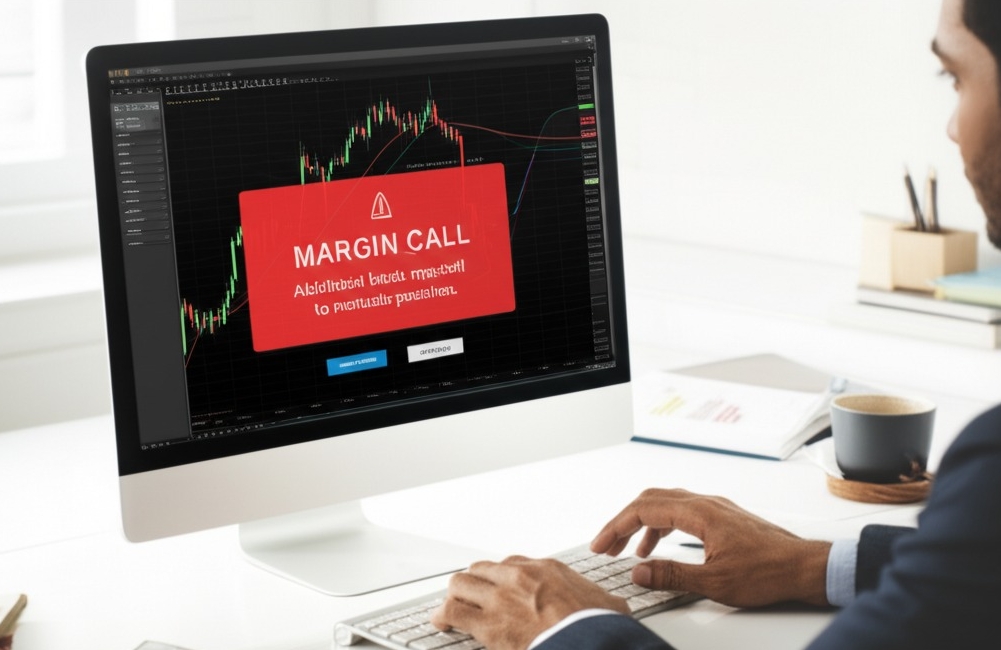
In the world of forex trading, a margin call is a term that every trader should know, as it can signal a critical moment in their trading journey. Simply put, a margin call occurs when the equity in your trading account falls below the required margin level. This typically happens when your trades are in the red, leading to a situation where the broker demands additional funds to maintain open positions. When this happens, you will receive a broker notification warning that you need to deposit more funds to avoid forced actions like forced liquidation.
Here is how it works: when you enter a trade, you must meet the required margin for that position. This margin ensures that you have enough funds to cover potential losses. However, if the market moves against you and your position suffers a floating loss, your equity decreases. If the equity drops too low, reaching or falling below the stop out level set by your broker, the broker may close out your trades to prevent further losses, leading to forced liquidation.
To understand this better, think of it like walking a tightrope. You have to balance your positions by carefully managing usable margin and avoiding excessive risk. If the balance tips too much and your account balance is insufficient to meet margin requirements, you will receive a margin call. In this case, the best move is to either add funds to your account or close some of your losing positions to bring your equity back up.
In forex trading, understanding the relationship between margin level, equity, and required margin is critical to avoiding a margin call. No trader wants to get caught off guard, but with careful planning, risk management, and regular monitoring of your margin level, you can prevent the dreaded call and keep your trading journey on track.
Margin Risk Management
Margin trading opens up the possibility of greater profits, but it also brings higher risk. Let’s dive into smart strategies for managing those risks effectively.
Setting Stop Losses and Take Profits
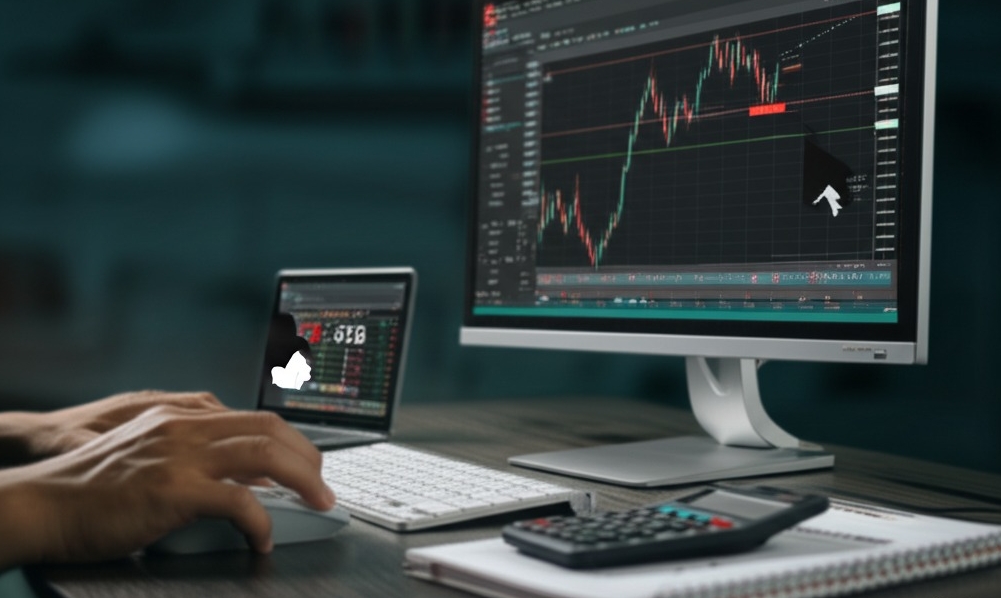
A solid exit strategy helps you stick to your game plan. A stop loss order limits potential losses by automatically closing your position if the market moves against you. The take profit order locks in profits by closing when the price hits your target level. Together, these risk management tools help keep emotions out of trading.
Ensure your price levels align with your risk/reward ratio.
Always adjust stop loss based on market volatility.
Use a limit order to define exit points before you enter the trade.
Understanding Leverage Risks
Leverage can be a double-edged sword. While it gives you more trading exposure, it also increases the potential for amplified losses. If your position goes south, you may face a margin call or worse, liquidation. Debt from borrowing can eat away at your capital quickly, so be mindful of your position size and always assess financial risk carefully.
Leverage too high? It’s a recipe for disaster when the market fluctuates.
Risk comes with market volatility—higher leverage means higher borrowing costs.
Best Practices for Effective Margin Control
Margin management means balancing the amount of money in your trading account with the exposure you have. Keep track of your margin level and maintenance margin to avoid unwanted margin calls. Smart capital allocation lets you spread the risk across different positions. Always monitor your account and keep leverage control in check.
| Practice | Action | Effect |
|---|---|---|
| Monitor Margin Level | Regularly check your available margin. | Helps avoid margin calls. |
| Adjust Initial Margin | Set margin based on your strategy. | Keeps you from overleveraging. |
| Use Risk Control Tools | Set stop loss and take profit. | Limits risk while locking in profits. |
| Diversify Positions | Don’t put all funds in one trade. | Spreads out risk and exposure. |
Adjust initial margin according to market changes.
Regular account monitoring ensures you're not caught off guard.
By staying on top of margin and risk management, you’re better equipped to ride out the volatility of the forex market and stay in the game for the long haul.
Broker Margin Comparison
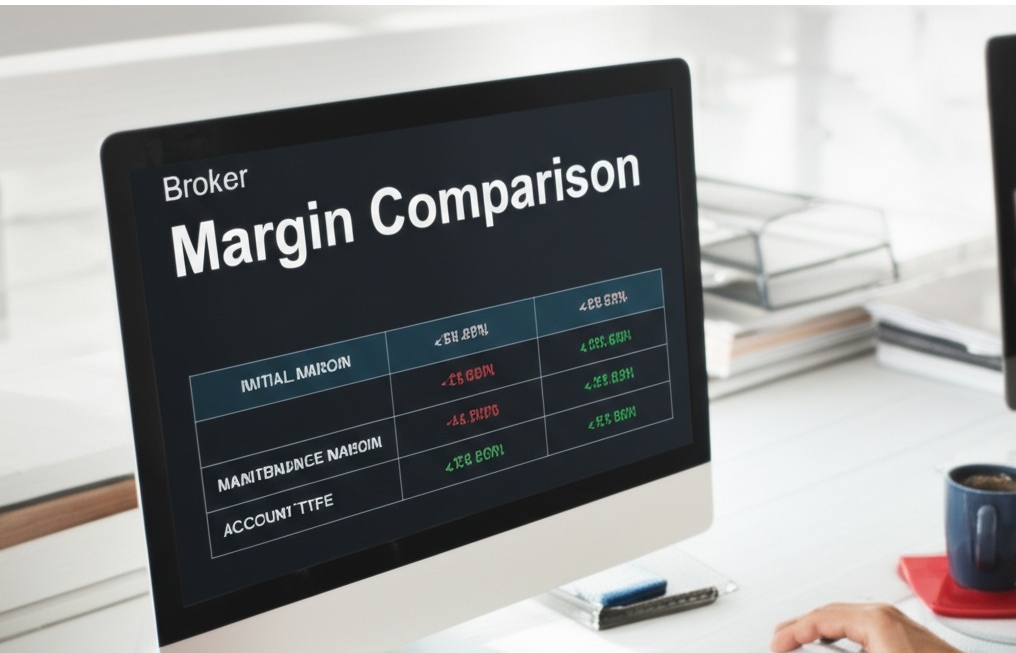
When it comes to margin trading, the broker you choose plays a significant role in your overall trading experience. Different brokers have varying policies on margin, leverage, and risk management, and these differences can affect your trading outcomes. To help guide your decision, we’ll dive deeper into how these policies differ across brokers and provide a comparison of popular choices in the industry.
How Margin Policies Differ by Broker
Margin policies vary from one broker to another, impacting how much you need to deposit to open and maintain positions. Some brokers offer higher leverage ratios, which can potentially increase your profit, but they also expose you to greater risk. Here are some key aspects to check when comparing brokers:
Initial Margin: The amount you need to deposit to open a trade.
Maintenance Margin: The minimum balance you must maintain to keep your position open.
Account Type: Brokers may offer different margin policies depending on the type of account you open (e.g., standard, ECN, or VIP accounts).
Regulations: Different countries have specific regulatory bodies that enforce margin policies. For example, U.S.-based brokers are regulated by the CFTC and NFA, while in Europe, it’s often the ESMA.
Understanding these factors can help you choose the right broker that fits your trading style and risk tolerance.
The Role of Spreads in Margin Trading
The spread—the difference between the bid price and the ask price—plays an essential role in margin trading. Since margin allows you to trade larger positions, the cost of the spread can become more significant.
Liquidity: Brokers with higher liquidity tend to offer tighter spreads, which can lower your overall trading cost.
Market Conditions: In volatile markets, spreads can widen, impacting your trades, especially when trading on margin.
Execution: Some brokers use market makers, meaning they set the spread themselves, while others use ECN (Electronic Communication Networks), which pass the price directly from the market to you.
Understanding how spreads affect margin trading can help you select the most cost-effective broker.
Comparing Margin Requirements for Popular Brokers
Margin requirements can differ greatly from broker to broker. It’s essential to look at the initial margin and the maintenance margin they require. Here's a quick comparison of popular brokers and their margin policies:
| Broker | Initial Margin Requirement | Maintenance Margin | Leverage Offered | Minimum Deposit | Trading Platform |
|---|---|---|---|---|---|
| IG | 1-2% | 0.5-1% | 1:30 | $300 | WebTrader, MT4 |
| OANDA | 2-5% | 1% | 1:50 | $0 | fxTrade, MT4 |
| Interactive Brokers | 2-10% | 1-2% | 1:50 | $10,000 | Trader Workstation |
| CMC Markets | 1% | 0.5% | 1:30 | $0 | Next Generation |
| Pepperstone | 1-2% | 0.5-1% | 1:500 | $200 | MetaTrader 4, cTrader |
As seen in the table above, brokers differ in their leverage offerings, margin requirements, and trading platforms. It’s important to choose a broker whose margin policy aligns with your trading strategy and capital.
Understanding Broker Leverage Limits
Leverage is a double-edged sword in margin trading. While it allows you to control a larger position with a smaller deposit, it also increases the potential for losses. Different brokers set leverage limits based on the type of account you open and the regulations they follow. For example, brokers in Europe are generally restricted to a maximum leverage of 1:30, while in Australia, brokers may offer leverage as high as 1:500.
Risk Exposure: High leverage means higher exposure to risk. With a 1:500 leverage, a small price move can lead to significant profit or loss.
Account Type and Regulation: Brokers often offer different leverage limits based on the account type or the trader’s experience level. Regulations also impact the maximum leverage brokers can offer.
Understanding these leverage limits is crucial in managing both profit potential and risk.
Choosing the Right Broker for Margin Trading
Selecting the right broker is vital for success in margin trading. Here are key criteria to consider when choosing:
Margin Policies: Look for brokers with margin policies that suit your trading style, such as low initial margin or high leverage.
Regulation: Always opt for a broker regulated by a reputable authority like the CFTC, FCA, or ASIC to ensure a safe trading environment.
Trading Platform: The platform should offer tools like advanced charting, risk management features, and reliable execution.
Customer Support: Ensure the broker has responsive customer support in case you need assistance with your margin trades.
Fees and Spreads: Compare the spread and commission fees between brokers to find the most cost-effective solution for your trading needs.
Which Leverage Ratio Is Best
Leverage ratios play a huge role in forex trading decisions. Choosing the right one can make all the difference in maximizing profits while managing risk.
Understanding Leverage and Risk Exposure
Leverage amplifies your trading potential by allowing you to control larger positions with a smaller amount of capital. However, it’s a double-edged sword. Using high leverage increases both your potential returns and your risk exposure. Traders need to carefully assess their risk tolerance and capital structure before going full throttle. Experts like Investopedia highlight that “Proper leverage use requires a solid risk management strategy to avoid catastrophic losses.” The more you’re willing to risk, the more you can gain, but remember: it only takes one bad move to wipe out your profits.
| Leverage Ratio | Potential Profit | Potential Loss | Risk Exposure |
|---|---|---|---|
| 1:10 | Low | Low | Low |
| 1:50 | Moderate | Moderate | Moderate |
| 1:100 | High | High | High |
| 1:500 | Very High | Very High | Very High |
How to Choose the Right Leverage for Your Strategy
Choosing the right leverage isn’t about going all-in. Instead, it’s about aligning your leverage strategy with your financial goals and risk tolerance. A low leverage ratio is safer but might limit your upside, while high leverage can turn a small market move into a big win or loss. Here's a simple approach:
Assess your risk tolerance: Are you okay with high risk for the potential of high reward?
Review your strategic goals: What’s the target for your investment or growth strategy?
Understand your capital structure: How much debt or equity are you using, and how does that affect your risk management?
By fine-tuning your leverage ratio based on your debt-to-equity ratio and investment strategy, you can manage your financial leverage in a way that fits your goals and keeps your exposure within comfortable limits.
Common Margin Mistakes
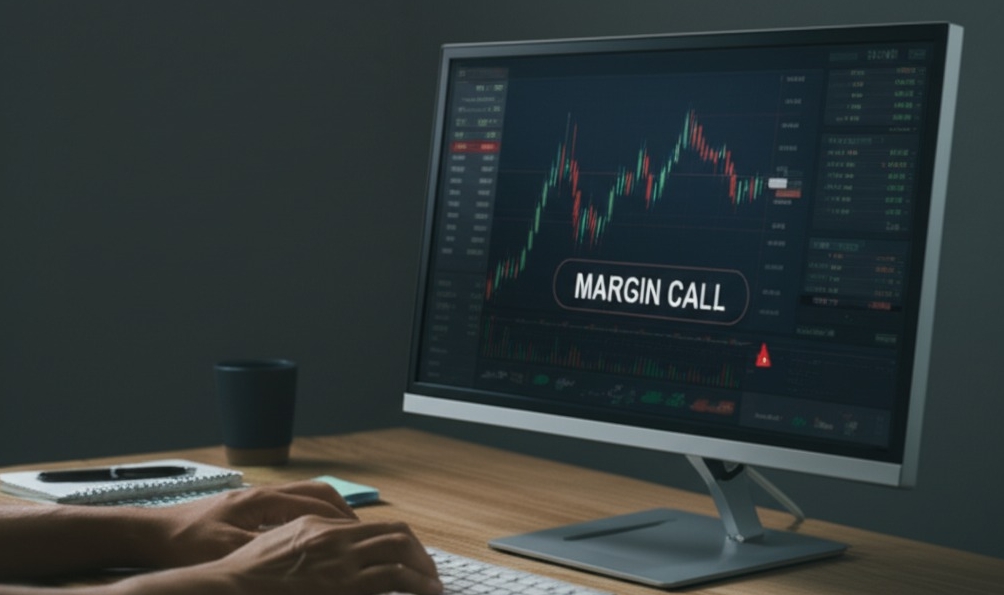
Margin trading can be a great way to maximize profits, but it’s easy to make mistakes that can wipe out your account. Let’s dive into some of the most common pitfalls and how to avoid them.
Overleveraging: A Quick Path to Losses
Overleveraging is one of the biggest mistakes traders make. By using too much leverage, you’re risking a lot more than you can afford to lose. If your trades go the wrong way, you might find yourself deeper in debt than your capital can cover. Remember, leverage amplifies both gains and losses. Keep it in check to manage risk effectively.
Tip: Keep your leverage ratio low and always have a risk management strategy in place.
Ignoring Margin Calls and Consequences
Ignoring a margin call is like playing with fire—it might not hurt at first, but it’s dangerous. A margin call means your account balance has fallen below the required margin, and your broker will demand additional funds. If you don’t respond, they could liquidate your positions, leaving you with little to no equity.
| Action | Result | Consequences |
|---|---|---|
| Ignoring margin call | Account balance below margin level | Broker may liquidate positions, closing trades. |
| Responding to margin call | Account balance restored | Continue trading without forced liquidation. |
| Failure to act | Account goes into default | Potential debt and loss of initial capital. |
Tip: Always be ready to top up your margin or reduce your positions to stay on top of margin calls.
Underestimating Market Volatility
Market volatility is unpredictable. Price swings can hit unexpectedly, catching traders off guard. When markets are volatile, risk management is more important than ever. Not factoring in market fluctuations can lead to unnecessary losses. Stay alert and make sure your trading strategy includes provisions for volatility.
Tip: Use tools like stop losses and take profits to shield yourself during unexpected market shifts.
Failing to Diversify Margin Trades
Relying too heavily on a single asset or sector for margin trades can put you in a risky position. Diversification helps spread out risk, reducing the chances of a big hit. A well-rounded portfolio with various assets can protect you from market shifts that might affect one sector. Balance your investments to safeguard against concentration risk.
Tip: Spread your margin trades across different sectors and asset types to mitigate the impact of market shifts on your overall portfolio.
By avoiding these common mistakes, you can manage margin trading more effectively and reduce the risk of unnecessary losses.
Conclusion
Margin trading can be a game-changer, but it’s not something to dive into blindly. By understanding how margin and leverage work, and managing your risks wisely, you can protect yourself from costly mistakes.
Remember, it's all about balance. As Investopedia says, "Leverage can amplify gains, but it can just as quickly magnify losses." Keep your leverage in check, and always trade with caution.
Stay informed, start small, and let experience be your guide. Trading with margin is about making smart moves—not taking wild risks.
Margin in forex trading refers to the amount of money required to open a position. Think of it as a security deposit that allows traders to control larger positions than their initial investment. Essentially, it acts as collateral to ensure you have enough funds to cover potential losses.
Leverage lets traders control a larger position with a smaller amount of capital. For example, with 100:1 leverage, you can control $100,000 with just $1,000 of margin. While it magnifies profits, it also increases the risk, as small price movements can result in significant gains or losses.
A margin call occurs when your account’s equity falls below the required margin to maintain an open position. In simple terms, your broker is asking you to deposit more funds to cover potential losses. If you don’t, they may close your position to limit further risk.
It’s a warning sign that your trading position is in danger.
You might be asked to deposit more funds or close some positions.
If ignored, brokers can liquidate positions, leading to a loss of capital.
It can happen quickly in volatile markets.
The margin level is a percentage showing how much equity you have in relation to your margin. It’s calculated by dividing your equity by the margin used and then multiplying by 100. It’s a vital measure to assess your account’s risk.
Technically, you could, but margin trading is what allows you to access the full potential of the forex market. Without margin, you’d be limited to using only the funds available in your account, drastically reducing your buying power and ability to make larger trades.
Using margin can amplify both profits and losses. The biggest risks include:
Overleveraging: This can lead to large losses quickly if the market moves against you.
Margin calls: If your equity drops too low, you could lose your position.
Increased exposure: It magnifies market fluctuations and volatility.
Emotional stress: Higher stakes can make trading emotionally intense.
For new traders, it's often recommended to start with a lower leverage ratio, such as 10:1 or 20:1. This helps minimize risk while you learn the ropes. Higher leverage might look tempting, but it can quickly wipe out your funds if you’re not careful. Start small and increase leverage as you gain experience.
Margin is calculated based on the position size, the leverage you use, and the currency pair you’re trading. Here’s a simple formula:
Margin = Trade Size ÷ Leverage
For example, if you’re trading 1 standard lot (100,000 units) of EUR/USD with a leverage of 100:1, your required margin would be $1,000.
Margin trading is not for the faint of heart, and it's not suitable for every trader. It’s best for those who are comfortable with high risk and understand market movements. Beginners should take time to learn the ropes and practice with smaller positions before jumping into leveraged trades.