


Table of contents
Trading in the forex market can feel like a rollercoaster ride—exciting, but with plenty of ups and downs. One thing every trader quickly learns is that the risk of loss is always lurking. That’s where Using Stop Loss Orders in Forex Trading comes in. It’s like setting a safety net for when things go south.
A stop loss order automatically closes a trade when it hits a certain price, preventing further losses. Think of it as setting a speed bump to slow things down before the damage gets out of hand. "Risk management is the key to long-term survival," says top trader Steve Burns, and a stop loss is one of the simplest yet most effective ways to protect your capital.
In this article, we’ll break down what a stop loss order is, why it’s a must-have tool in your trading toolkit, and how to use it to your advantage. Let’s dive in!
What Is a Stop Loss Order?
Stop loss orders are essential tools for traders looking to manage risk. In this cluster, we’ll explore what they are and how they work in forex trading.
Definition of a Stop Loss Order
A stop loss order is a request placed with your broker to automatically close a trade at a specific price, limiting your losses. It helps control risk management by ensuring you don’t lose more than you’re willing to. Once your position reaches the predetermined price, the stop loss execution happens, securing your account from further loss. It's a safety net in the market that protects you when things go sideways.
How Stop Losses Work in Forex
In forex trading, a stop loss order triggers once the currency pair price reaches a set level. This ensures that your position is closed before further volatility eats into your balance. However, slippage can occur, meaning the actual exit price may differ slightly due to market fluctuations. Your broker’s execution speed also plays a role in how quickly the order is filled.
Stop Loss Example:
Let’s say you’re trading EUR/USD, and you set a stop loss at 1.1000. If the market price drops to this point, the broker will execute the stop loss order to close your position, preventing further loss.
| Currency Pair | Stop Loss Set at | Market Price at Execution | Result |
|---|---|---|---|
| EUR/USD | 1.1000 | 1.0997 | Executed |
| GBP/USD | 1.3200 | 1.3198 | Executed |
Stop Loss vs. Take Profit Orders
A stop loss order cuts your losses, while a take profit order locks in gains once a price target is hit. Both are critical in risk management strategies, but they serve opposite purposes. Stop loss is about minimizing losses, while take profit is about securing profits. By setting both, you can balance your position for better market control.
Why Use a Stop Loss?
In the fast-paced world of forex trading, the one thing every trader fears is a significant loss. A stop loss order acts as a safety net, helping you manage risk and prevent catastrophic damage to your trading account. Without it, you could easily find yourself caught in the chaos of a market swing that goes against you. So, why exactly should you use a stop loss? Let’s break it down.
Risk Management and Limiting Losses
A stop loss order serves as an essential tool in risk management. By setting a predetermined exit point, you limit the amount of money you are willing to lose on a trade. This allows you to control risk and avoid devastating losses that can deplete your capital. Imagine placing a bet with a set limit—if you lose, you walk away, but you do not get burned.Protecting Capital
Capital is the backbone of your trading journey. Protecting it should be your number one priority. A stop loss ensures that, even if the market turns against you, your capital remains preserved. This protects you from unnecessary exposure to large drawdowns, which can damage your account in the long run. Professional traders consistently emphasize the importance of capital preservation. "Trade with your mind, not your emotions," says renowned trader Mark Douglas. This simple yet powerful advice underscores the necessity of using stop losses to safeguard your trading funds.Emotional Control and Reducing Stress
Trading without a stop loss is like driving with no brakes—every turn becomes a high-risk move. Stop losses bring emotional control to the table, preventing traders from making hasty, emotional decisions when the market takes a wrong turn. They allow traders to plan their trades and execute them without the stress of wondering when to pull the trigger. This sense of control helps reduce the anxiety that often comes with high-stakes trading.Avoiding Margin Calls
Without stop losses, margin calls can hit you like a freight train, leaving you with fewer options to recover your losses. A well-placed stop loss order helps prevent margin calls by exiting the trade before you hit that critical margin level. It allows you to walk away with a smaller loss, saving your funds for the next opportunity.
In the world of forex, it is easy to get swept up in the excitement of potential gains. However, seasoned traders understand that protecting your capital is just as important as maximizing profits. By setting stop losses, you give yourself the discipline and structure to avoid unnecessary losses, ensuring that your trading experience remains both profitable and sustainable.
Types of Stop Losses
Fixed Stop Loss
A fixed stop loss is one of the simplest yet most effective trading tools. It’s an order set at a predetermined price point, helping traders manage their risk. This type of stop loss is great for those who prefer a clear exit strategy, providing a defined threshold for loss.
How it Works:
A trader places a stop loss order at a specific price below (for long positions) or above (for short positions) their entry price.
Once the market hits that price, the order is triggered, closing the position automatically.
Pros:
Simple to set and execute.
Protects against unexpected market shifts.
Cons:
Doesn’t account for market volatility, which can lead to early stop-outs.
| Entry Price | Stop Loss Price | Risk (in pips) |
|---|---|---|
| 1.2500 | 1.2450 | 50 pips |
| 1.3000 | 1.2950 | 50 pips |
Trailing Stop Loss
A trailing stop loss order is dynamic and adjusts as the market moves in your favor, locking in profits while protecting your position. As the market moves in your direction, the stop loss "trails" the price, maintaining a set distance (percentage or points).
How it Works:
The trader sets a trailing stop loss at a specific percentage or point distance from the market price.
If the market price moves in the direction of the trade, the stop loss moves with it, but if the market moves against the position, the stop loss stays in place.
Advantages:
Profit protection in trending markets.
Automatically adjusts for market volatility.
Disadvantages:
May not trigger in volatile markets, leaving positions open longer than desired.
Example of Trailing Stop:
Imagine you place a trailing stop loss at 30 pips behind the market price. If the price moves up by 50 pips, your stop loss is adjusted to 20 pips higher, locking in some profit while maintaining risk control.
Setting a Stop Loss
Setting a stop loss is critical for safeguarding your capital in forex trading. Let’s explore different stop loss methods and the factors that influence where you place them.
Manual vs. Automated Stop Loss
Manual execution allows traders to place stop losses themselves, giving them control to adjust as the market moves. However, manual stops can lead to emotional decisions in volatile conditions. Automated stop losses, on the other hand, are set by the trading platform based on specific criteria. As John Murphy, a market expert, says, "In the heat of trading, algorithmic systems provide a level-headed approach."
| Manual Execution | Automated Execution |
|---|---|
| Requires human intervention | Execution happens automatically |
| Offers flexibility and control | Removes emotional decision-making |
| Dependent on trader’s judgment | Follows pre-set risk management rules |
| Can be influenced by market conditions | Consistent regardless of market volatility |
Choosing the Right Stop Loss Placement
Where you place your stop loss depends on several factors, including your entry point, trade strategy, and market conditions. Keep these in mind when determining placement:
Support/Resistance Levels: Set stops just below support for long positions or above resistance for short positions.
Technical Analysis: Study chart patterns, candlestick formations, and price action to gauge potential reversal zones.
Risk/Reward Ratio: Always ensure that the potential reward outweighs the risk, adjusting the stop loss accordingly.
Example of Risk/Reward Setup:
| Entry Price | Stop Loss | Target Price | Risk/Reward Ratio |
|---|---|---|---|
| 1.1800 | 1.1750 | 1.1900 | 2:1 |
| 1.2000 | 1.1950 | 1.2100 | 3:1 |
Stop Loss Placement and Volatility
Market volatility can significantly affect your stop loss strategy. When volatility is high, using a wider stop loss helps to avoid getting stopped out by normal price fluctuations. Conversely, in calmer markets, tighter stops may be more effective. Tools like the Average True Range (ATR) or Standard Deviation can help you measure market volatility and decide where to place your stops.
Wider vs. Tighter Stops Based on Volatility:
High Volatility: Use wider stops to give trades room to breathe, reducing the chances of premature exit due to market noise.
Low Volatility: Tighter stops help manage risk more efficiently in a stable market.
Stop Loss in Scalping vs. Swing Trading
The timeframes and risk management strategies in scalping and swing trading vary, which influences how stop losses are applied.
Scalping: Typically involves tight stops since trades are held for a very short time (minutes to hours). A quick exit is essential for minimizing losses.
Swing Trading: With positions held for days or even weeks, wider stop losses are needed to handle larger market movements.
Key Differences Between Scalping and Swing Trading:
| Feature | Scalping | Swing Trading |
|---|---|---|
| Time Frame | Short-term (minutes to hours) | Medium to long-term (days to weeks) |
| Stop Loss | Tight stops to protect small profits | Wider stops to allow for larger movements |
| Trade Frequency | High frequency of trades | Lower frequency, fewer trades |
Calculating Stop Loss Levels
Risk-Reward Ratio and Stop Losses
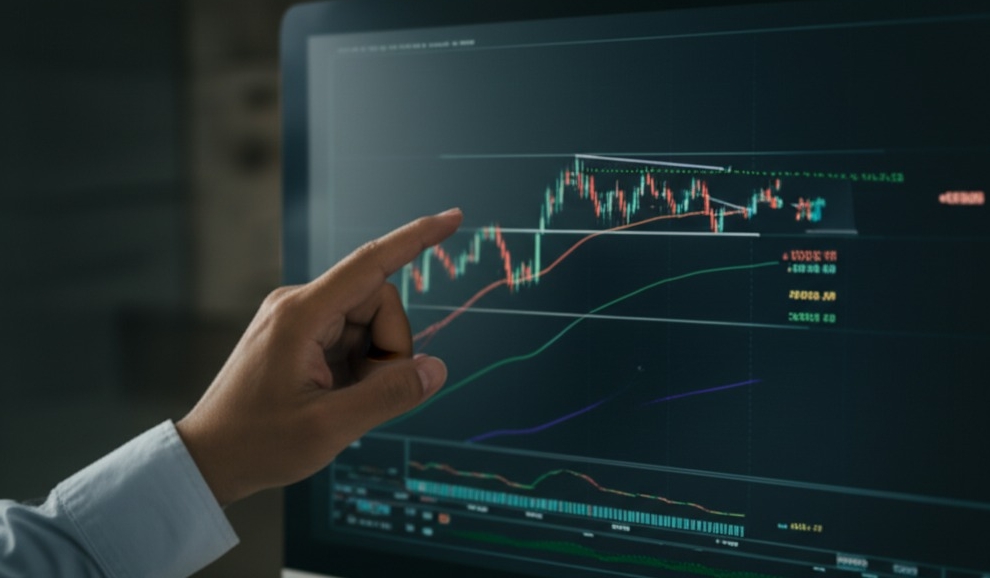
In forex trading, the risk-reward ratio is key to making smart decisions. It’s how you measure the potential risk against the potential reward of a trade.
- Step 1: Identify your entry point.
- Step 2: Set your profit target based on your risk tolerance.
- Step 3: Use this ratio to determine where your stop loss should go to maintain a balance between risk and reward.
A typical good ratio is 1:3—meaning for every $1 you risk, you aim to make $3. It helps ensure that even if some trades don’t go as planned, the ones that do can make up for it.
| Entry Point | Stop Loss Level | Profit Target | Risk-Reward Ratio |
|---|---|---|---|
| 1.1500 | 1.1450 | 1.1600 | 1:3 |
| 1.2000 | 1.1950 | 1.2200 | 1:4 |
Using Technical Analysis to Set Stop Loss Levels
When placing stop losses, technical analysis is your best friend.
- Look for key support and resistance: These are price points where the market tends to reverse.
- Use indicators like Moving Averages or RSI: These show trends and potential reversals.
- Monitor volatility: Highly volatile markets require wider stop losses to avoid being stopped out too quickly.
By understanding price action, trends, and key levels, you can set a stop loss that aligns with the market’s behavior, rather than arbitrary guesses. It’s all about reading the market’s signals.
Benefits and Drawbacks
Benefits of Stop Loss Orders in Risk Management
Stop loss orders are crucial for controlling risk in forex trading. They provide capital preservation, limit losses, and act as a form of portfolio protection. With an automated exit, traders can keep their emotions in check and focus on their trading strategy. Especially in a market downturn, having a stop loss in place can prevent catastrophic losses. These orders also contribute to discipline and can reduce volatility exposure.
Stop Losses Can Limit Profit Potential
While stop losses protect against large losses, they can also limit profit potential. Setting a stop loss too close to the market can cause premature exit and may lead to whipsaw situations, where the market moves back in your favor after you’ve exited. This can result in missed gains and restrict your upside. During market fluctuations, this can turn into an opportunity cost, hindering your ability to capture significant price recovery.
Overreliance on Stop Loss Orders
Relying too heavily on stop losses can result in frequent exits due to market noise or false signals. This overreliance can create whipsaw trades, increasing transaction costs and causing emotional trading. Constantly adjusting stop losses may lead to suboptimal performance and even strategy failure. Without trading discipline, it’s easy to let stop loss orders dictate your actions, leading to a cycle of trading errors and unnecessary stress.
Common Mistakes
In forex trading, stop loss orders are essential for managing risk, but many traders make mistakes that can be costly. Here are a few common errors and how to avoid them.
Placing Stop Losses Too Close to the Market Price
Setting your stop loss too close to the market price can lead to frequent stop-outs. A tight stop is often hit by normal price fluctuations, which can result in slippage. For example, if the market’s movement nudges your price action slightly, your stop loss could trigger unnecessarily, cutting your profits or even triggering losses. Avoid setting it too close by considering key support/resistance levels, ensuring your stop loss reflects a realistic exit strategy based on price action.
Not Adjusting Stop Losses When Market Conditions Change
Markets are dynamic, so your stop loss should be, too. Not adjusting your stop loss as market conditions shift is a rookie mistake. For example, if you’re trading with a trend and the market starts to reverse, adjusting your stop loss can help lock in profits or prevent unnecessary losses. Utilize a trailing stop or recalibrate your stop loss to reflect market volatility. Always keep an eye on price movement to avoid leaving yourself exposed as the market shifts.
Ignoring the Market’s Volatility
Market volatility plays a major role in stop loss placement. Ignoring it can leave you vulnerable to big price swings that could impact your trade. It’s vital to assess the market’s volatility before determining your stop placement. A position in a volatile market should have a wider stop loss to accommodate price swings. Adjust your position size based on the volatility to align with your risk tolerance. Market analysis and a solid risk assessment strategy will help you manage fluctuations without being caught off guard.
Avoiding these common mistakes will help you trade more effectively and protect your capital. A little foresight and flexibility with your stop loss orders can save you from costly errors in the long run.
Advanced Stop Loss Strategies

Using Stop Loss for Trade Management
Effective trade management is key to consistent success in forex trading. Stop loss orders play a major role here, ensuring your trades stay within your risk management strategy. For example, you can adjust your stop loss order as the market moves in your favor, locking in profits while still giving your position room to breathe. This strategy allows you to protect your capital and optimize profits without constantly monitoring the market. In the long run, it can smooth out the emotional ups and downs that come with trading.
Multiple Stop Loss Strategies for Complex Markets
In volatile or complex markets, relying on just one stop loss method might not be enough. Traders often use multiple stop loss strategies to hedge their risks effectively. Some common strategies include:
Trailing stop: Adjusts automatically as the market moves in your favor, locking in gains.
Time stop: Closes a position after a set amount of time, regardless of price action.
Price stop: Sets a stop based on specific price levels or technical indicators, like support and resistance.
These strategies help you navigate unpredictable market conditions by offering flexibility and additional layers of protection. The goal is to match your stop loss approach to your risk tolerance and market analysis for more efficient trading.
| Strategy | Description | When to Use |
|---|---|---|
| Trailing Stop | Automatically moves with the price to lock in profits as the market moves. | Best for trends or markets with strong momentum. |
| Time Stop | Closes a position after a set time, regardless of price movement. | Suitable for short-term trading or high volatility periods. |
| Price Stop | Based on specific price levels like support/resistance or key indicators. | Use in markets where technical analysis plays a major role. |
Conclusion
In forex trading, the name of the game is managing risk, and a stop loss order is your best friend for doing just that. It helps you avoid the kind of blowups that can wipe out your account in one bad move. Using stop loss orders is like putting on your seatbelt before a drive—you never know when you’ll hit a bump, but you’re sure glad you’re prepared. As trader Ed Seykota says, “The most important rule of trading is to play great defense.” Now, with these strategies in your back pocket, you’re ready to take control. Set your stop losses, stick to your plan, and watch your trading become a lot less stressful.
A stop loss order is an instruction to close a trade automatically once the price reaches a predetermined level. It's designed to limit potential losses by ensuring that your position is closed before the market moves too far against you. Think of it like a safety net—if the market goes south, your stop loss kicks in, stopping any further damage.
Using a stop loss is essential to manage risk. It helps protect your trading capital by automatically exiting trades that move in an unfavorable direction. Without it, you might find yourself losing more than expected, especially in volatile markets.
Protects capital
Prevents emotional trading
Reduces the impact of market swings
Helps maintain discipline in trading
Setting a stop loss order is fairly straightforward. You just need to decide where you want the stop loss to be placed—usually at a price level that reflects how much risk you're willing to take. You can set it manually or use automated systems through your broker.
A stop loss closes a position to limit losses when the market moves against you. Take profit, on the other hand, automatically closes your trade once it reaches a profit level you’ve set. These two orders work together to lock in both gains and prevent further losses.
No, a stop loss doesn’t guarantee you won’t lose money, but it helps to limit the losses to a predetermined amount. In certain situations, like extreme market volatility, your trade could experience slippage—meaning the stop loss might not execute at the exact price you set.
The distance you set between your entry price and stop loss depends on your risk tolerance and trading strategy. Typically, you want to set it far enough to avoid being stopped out by normal market fluctuations, but not too far that it exposes you to excessive risk.
A common approach to calculating stop loss levels is based on your desired risk-to-reward ratio. Traders often use technical indicators, such as support and resistance levels, moving averages, or the Average True Range (ATR), to determine where to set their stop losses.
Traders often make a few key mistakes when setting stop losses. The most common are:
Setting stop losses too close to the market price, causing frequent stop-outs
Ignoring market volatility, leading to premature exits
Failing to adjust stop losses as market conditions change
Over-relying on stop losses and not using other risk management techniques
A trailing stop loss is an advanced technique that adjusts the stop loss level as the market moves in your favor. It "trails" the price by a set amount, locking in profits as the market moves. If the market reverses by the trailing amount, your position will close automatically.