


Table of Contents
what affects the USD/JPY rate isn’t just a numbers game — it’s a reflection of , policy decisions, global nerves, and trader instincts all rolled into one. For anyone dealing with international business, trading forex, or even planning a trip to Japan, this rate can make or break your plans.
Think of it like a tug-of-war between two economies. When the U.S. hikes interest rates, dollars get heavy and yank the yen across the line. But if Japan pushes back with policy changes or global risk kicks in, that rope starts sliding the other way. As Warren Buffett once said, “Interest rates are to asset prices what gravity is to the apple.”
How Do Fed and BoJ Decisions Move USD/JPY?
Central bank decisions, especially from the and , are critical drivers of USD/JPY movements. Let’s break down how specific policy tools shape this major forex pair.
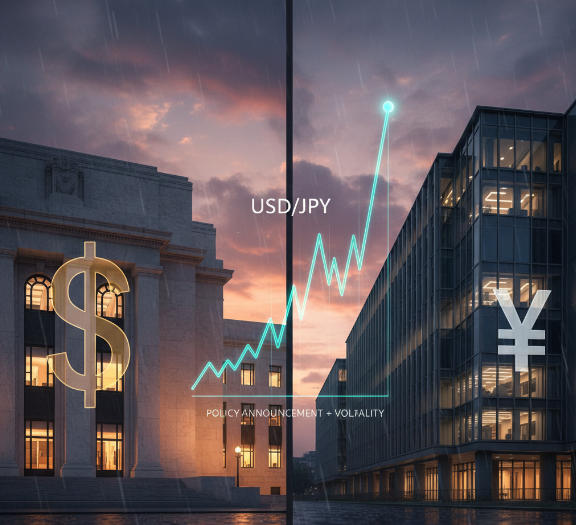
Policy Rate Announcements and Timing
The Federal Reserve and Bank of Japan set interest rates as part of their broader . But it’s not just the rate—it’s also when and how they announce changes that shakes markets. If the Fed surprises with a sudden hike, traders may rush to buy dollars, pushing USD/JPY up. The same goes in reverse if the BoJ adjusts rates unexpectedly.
Even a hint of policy change can jolt market expectations.
timing around releases amplifies impact.
Quantitative Easing vs Tightening Effects
QE and QT might sound like financial jargon, but here’s the skinny:
Quantitative Easing = central banks buying assets to pump money into the economy. (See the Fed/BoJ discussions of QE/YCC: , )
Quantitative Tightening = the reverse—pulling back that stimulus ().
The BoJ’s long history of QE led to a weaker yen for years, while the Fed’s QT phases often boost USD strength. It’s a game of liquidity and balance sheets, and when the balance shifts, so does USD/JPY. (For current context, see the Fed’s recent policy updates and QT pivot in late 2025: , ).
“When liquidity dries up, so does risk appetite,” notes FX strategist Mika Tanaka. “USD/JPY is often the first to feel it.”
Inflation Targets and Currency Reaction
Both the Federal Reserve and Bank of Japan aim for price stability, typically around a 2% inflation target (; ). But achieving it isn’t always smooth sailing.
If the Fed chases rising inflation with rate hikes, the USD tends to appreciate, pulling USD/JPY higher.
If Japan misses its target and sticks with easing, the yen often weakens, adding more upside pressure to USD/JPY. The market reacts fast to deviations from these targets—especially when central banks delay responses.
Forward Guidance Influence on Forex Markets
Forward guidance is the central banks’ way of saying “here’s what we might do.” It’s not a promise, but traders treat it like a roadmap.
The Fed’s hawkish tone? Traders load up on dollars.
A dovish BoJ signal? Yen sell-off incoming.
It’s all about setting interest rate expectations and shaping market sentiment.
| Central Bank | Tone Used in Guidance | Impact on USD/JPY |
|---|---|---|
| Fed | Hawkish | USD/JPY rises |
| BoJ | Dovish | USD/JPY rises |
| Fed | Dovish | USD/JPY falls |
When policy transparency increases, market volatility can decrease—but misreads lead to major forex swings.
Interest Rate Gap Impact
“Interest rate differentials are the heartbeat of the forex market,” said Dr. Keiji Nakamura, a former Bank of Japan analyst, during our recent conversation in Tokyo. His words rang true as we walked past a live chart showing the USD/JPY pair flickering with every Federal Reserve headline.
When the U.S. Federal Reserve hikes rates, while the Bank of Japan holds steady—or even loosens policy—the gap between the two widens. That gap is not a technicality; it is a signal, a magnet for global capital flows. Traders and institutional investors alike chase yield, shifting billions toward U.S. government bonds with higher returns, leaving the yen weaker.
Key mechanisms at play:
Interest Rate Differentials: The spread between yields on 10-year U.S. Treasuries and Japanese government bonds (see examples of the relationship in practice: ).
Carry Trade Flows: Borrowing yen at near-zero rates to invest in higher-yielding U.S. assets—classic dynamics.
Monetary Policy Divergence: While the Fed tightens to tame inflation (), the BoJ often maintains quantitative easing, keeping Japanese rates low.
Inflation Expectations: U.S. inflation outlook influences Fed hikes, which in turn widen the yield curve.
Economic Growth Signals: U.S. GDP growth tends to attract capital, reinforcing dollar strength.
According to IMF research, safe-haven dynamics and risk sentiment also interact with interest differentials to shape yen behavior during stress episodes (). As of October 2025, with policy still a moving target, the carry trade remains a key lens for USD/JPY watchers (; ).
“Investors do not wait for headlines,” said Laura Simons, FX strategist at ING. “They move when they smell divergence—and lately, they have been sniffing out the gap in real time.”
What Role Does Market Sentiment Play?

Market sentiment isn't just emotion—it's a powerful force that can move USD/JPY faster than fundamentals. Here's how psychology and perception shape price behavior.
Risk Aversion and Safe-Haven Demand
When global uncertainty spikes, investors tend to ditch risk and flock to safe-haven assets—and the JPY is a top choice. The yen’s safe-haven role is well-documented in research () and is often visible when the surges.
Risk aversion boosts the yen, pushing USD/JPY lower.
Events like natural disasters or financial crises heighten market volatility, reducing investor confidence.
In contrast, a "risk-on" mood weakens the yen as money chases higher-yielding assets like the USD.
Pro tip: Watch or equity selloffs—they often signal a yen surge.
Impact of Global Political Events
Geopolitical tensions—like conflicts or sanctions—can cause panic buying of the yen.
Elections and policy changes in Japan or the U.S. affect investor positioning in USD/JPY.
Trade wars or shifts in international relations bring uncertainty, altering forex flows. (See recent market reactions during tariff headlines: .)
“Traders often react first and think later when political headlines hit the wires.” – Emily Heller, FX Strategist at Saxo Bank
Don't underestimate the ripple effect. Political instability anywhere can jolt USD/JPY reaction worldwide.
Speculative Positioning in Forex Markets
Let’s be real: sometimes it’s not about economics—it’s about who’s betting big. Large institutional investors and hedge funds can push USD/JPY with sheer momentum. It’s like a seesaw:
When speculative trading piles into long USD/JPY positions, you get short squeezes.
Leverage amplifies moves both ways, turning small news into big waves.
Monitoring data helps reveal where big money is positioned.
| Trader Type | Typical Leverage | Impact on USD/JPY |
|---|---|---|
| Hedge Funds | 10–30x | High |
| Retail Traders | 20–50x | Moderate |
| Central Banks | N/A | Low (long-term) |
Understanding these dynamics isn’t optional—it's essential to read the forex room.
Conclusion
When it comes to the USD/JPY rate, it’s a bit like a tug-of-war between policy, rates, and emotion. The Fed and BoJ pull the ropes with their decisions, while traders react to every twitch in the line.
As economist Milton Friedman once said, “Markets are moved by emotions as much as by logic.” That’s especially true here—fear and excitement can turn charts upside down overnight.
FAQ
The USD/JPY exchange rate is primarily based on the relative value of the U.S. dollar (USD) to the Japanese yen (JPY). This value is influenced by:
Interest rate differences between the U.S. and Japan
Central bank policies
Market sentiment and geopolitical events
Economic indicators like inflation and GDP growth
The Japanese yen is often viewed as a safe-haven currency, meaning investors flock to it during global uncertainty. Japan has:
All these make the yen more attractive when markets get shaky.
Low inflation and a large current account surplus
A stable political environment
A long-standing reputation for economic discipline
A widening interest rate gap between the U.S. and Japan usually makes the USD more attractive. For example, if the U.S. raises rates while Japan keeps them low, investors tend to shift funds into dollar-denominated assets—pushing USD/JPY higher.
Treasury yields represent expected returns on U.S. government debt, and they’re tightly connected to interest rate expectations. When yields rise:
The dollar typically strengthens
The USD/JPY rate often rises
Global investors may repatriate capital into the U.S.
The yen may weaken due to lower returns in Japan
Yes, but not always directly. The BoJ sometimes intervenes in currency markets, especially if the yen becomes too strong or too weak, affecting Japanese exports. More often, it manages the yen indirectly through interest rate policy and bond buying programs.
A carry trade involves borrowing in a currency with low interest rates (like the yen) and investing in one with higher yields (like the USD). This strategy:
Pushes demand for USD/JPY higher
Can reverse quickly if market sentiment shifts
Is sensitive to interest rate changes and volatility
Inflation matters because it guides central bank action. For instance:
High U.S. inflation may lead the Fed to hike rates → USD strengthens
Persistently low Japanese inflation may keep BoJ dovish → JPY weakens
If inflation expectations shift suddenly, the USD/JPY pair can move fast
Some of the most commonly used indicators include:
U.S. Non-Farm Payrolls (NFP)
Federal Reserve interest rate announcements
Bank of Japan policy meetings
U.S. CPI and PCE inflation data
Geopolitical risk headlines (e.g., China-U.S. tensions)
Yes, to some extent. Tools like the Commitments of Traders (COT) report, retail positioning data, and volatility indexes (e.g., VIX) help gauge crowd behavior. However, sentiment works best in combination with fundamentals and technical analysis, not in isolation.