

Table of contents
Retail sales data is like a snapshot of the economy’s pulse. For Forex traders, it’s crucial because it tells you how consumers are feeling—are they out there spending money, or are they holding back? In Forex, these trends matter. A strong retail sales report can signal that the economy is growing, making a country’s currency more attractive. On the flip side, weak sales can signal trouble ahead, causing currencies to dip.
Think of retail sales as the "thermometer" for market movements. When the numbers are good, traders feel confident, much like a team on a winning streak. But bad retail sales? That’s like the team being benched—people get nervous, and the market reacts fast.
As expert trader James D. Smith puts it, "Retail sales are the canary in the coal mine for economic health." Simply put, if you’re trading currencies, keeping an eye on retail sales data is one of the smartest moves you can make.

Introduction to Retail Sales
Retail sales are a vital economic indicator. They reveal consumer spending habits, which help traders and economists gauge market trends and predict economic health.
Understanding Retail Sales Basics
Retail sales reflect the money spent by consumers at physical stores or online, covering products, services, and everything in between. It's all about transactions, whether through Point of Sale (POS) systems or customer service experiences. In a nutshell, understanding these metrics helps traders anticipate how well a country’s economy is doing. The sales process, inventory levels, pricing strategies, and customer service all factor into how retail data is measured.
The Link Between Retail Spending and Economy
When retail spending is up, it's like a green light for the economy—signaling growth. This can boost GDP, increase consumer confidence, and even impact inflation. Retail sales paint a picture of broader economic trends, influencing interest rates, job growth, and future market movements. Essentially, when consumers are spending, it’s a signal of a thriving economy. On the flip side, lower spending can indicate economic slowdowns.
| Indicator | Impact of Retail Sales Increase | Impact of Retail Sales Decrease |
|---|---|---|
| Consumer Confidence | Rises, indicating economic optimism | Falls, signaling potential uncertainty |
| GDP Growth | Accelerates, signaling a growing economy | Slows down, suggesting contraction |
| Inflation | May rise due to increased demand | Can ease as demand drops |
How Retail Sales Data is Collected
Retail sales data is gathered through multiple sources: POS systems, loyalty programs, surveys, and online platforms. Whether it's in-store purchases or e-commerce, market researchers track these transactions to create reliable data. By aggregating information from diverse channels, they form a clearer picture of the sales landscape. Tools like e-commerce platforms also play a vital role in collecting data from digital sales, offering insights that go beyond traditional retail.
Economic Health Indicators

Retail Sales as an Economic Snapshot
Retail sales aren’t just about how much we spend on our shopping trips; they’re a powerful snapshot of the economy’s heartbeat. When consumers are buying, it’s a good sign for economic growth. A surge in spending could mean more jobs, higher GDP, and a growing economy. On the flip side, a slowdown might signal a dip in economic health.
Retail sales = key economic indicator
Directly linked to consumer spending
Reflects broader trends in GDP and economic growth
Acts as a gauge for market trends and business cycles
How Consumer Behavior Affects Currency Value
Consumer behavior plays a major role in shaping a country’s currency value. When people spend more, it signals confidence in the economy, which can strengthen the national currency. On the other hand, a drop in consumer spending might indicate economic instability, weakening the currency. Traders watch these shifts closely, as they can affect exchange rates and demand for a nation’s currency.
High consumer spending = stronger currency
Low consumer demand = weaker currency
Inflation and purchasing power directly tied to consumer behavior
Comparing Retail Sales with Other Economic Indicators
Retail sales don’t operate in isolation. Traders compare them with other economic indicators like GDP, employment data, and inflation to get a clearer picture of economic health. For instance, rising retail sales alongside low unemployment might signal a booming economy. Conversely, a drop in retail sales paired with high inflation could indicate economic trouble ahead.
Retail sales compared to GDP: Does the growth align?
Employment data: Strong job numbers = strong retail spending
Inflation rate’s influence on purchasing power and sales trends
Government Policies and Retail Sales Trends
Government policies can directly impact retail sales. Tax breaks, subsidies, or economic stimulus packages can all boost consumer spending. On the flip side, higher taxes or strict regulations can dampen buying habits. Traders look at government policies as they shape retail sales trends, making it a crucial part of economic analysis.
Fiscal policies like taxation impact consumer spending
Economic stimulus can drive up retail sales
Regulations and subsidies influence buying behavior
Currency Impact
Retail sales data plays a big role in how currencies move. Strong consumer spending can boost currency values, while weak retail sales can drag them down. Let’s dive into how that works.
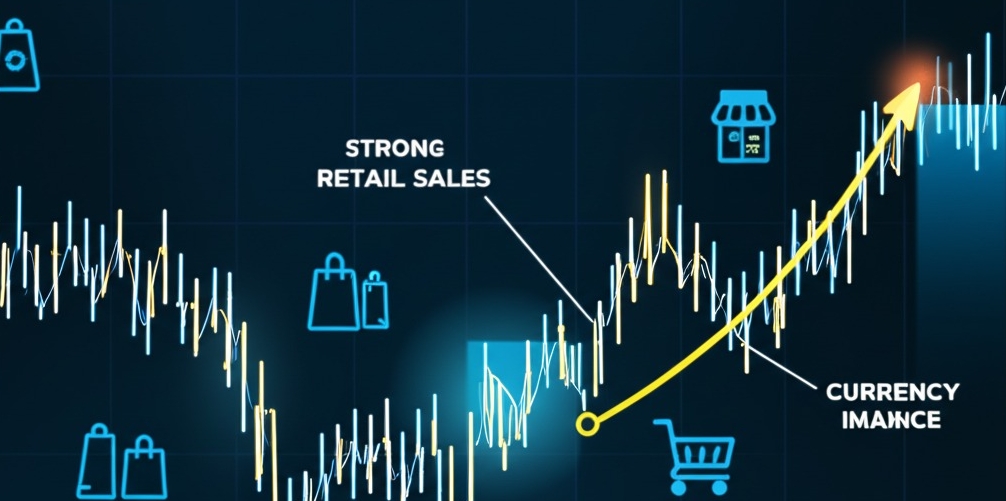
How Strong Retail Sales Strengthen Currency
When retail sales numbers are strong, it’s a sign that consumer spending is healthy. This boosts economic growth and suggests that people are confident about their financial situation. Investor confidence rises, leading to a higher demand for the currency. This, in turn, strengthens the currency value, making it more attractive on the global stage. In short:
Economic growth: Strong sales = more consumption = better GDP.
Investor confidence: A healthy economy attracts more investments.
Currency value: Demand for currency goes up, making it more valuable.
Simply put, consumer spending acts as a signal that all’s well in the economy, prompting investors to buy the currency, which pushes its exchange rate higher.
Weak Retail Sales and Currency Declines
On the flip side, weak retail sales usually signal an economic slowdown. If consumers aren’t spending, it suggests they’re either struggling financially or uncertain about the future. This puts downward pressure on currency values, leading to currency depreciation. When retail sales are weak, investors may pull out, fearing a potential recession or increased unemployment. For traders, it means:
Economic slowdown: Weak sales often precede slower growth, triggering market concern.
Currency depreciation: With poor sales, the value of the currency falls as demand wanes.
Investor sentiment: Fear of economic decline leads to uncertainty and market volatility.
In essence, weak sales can be a red flag that prompts a currency to lose value, as traders bet on a less favorable economic outlook.
Core vs. Ex-Auto Data
Retail sales data is key in understanding economic health, but it's important to distinguish between total retail sales and core retail sales (which excludes autos). Let’s break it down.
Core Retail Sales vs. Total Retail Sales
Core retail sales provide a clearer picture of economic trends by excluding volatile sectors like auto sales. While total retail sales give an overall snapshot of consumer spending, core retail sales focus on the goods that matter most to everyday consumers—like clothing, food, and electronics. This distinction helps traders better understand the underlying strength of the economy.
Core retail sales: Focuses on the essentials (excluding autos), giving a more stable economic indicator.
Total retail sales: Includes autos, which can skew the results, especially during times of high car sales.
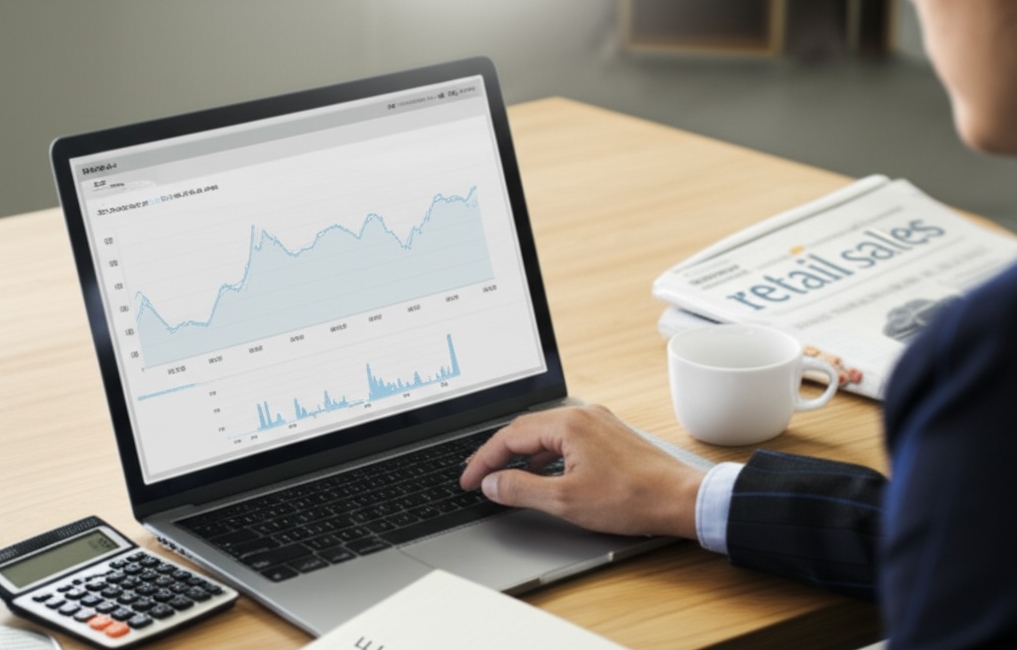
Why Excluding Autos is Important for Forex Traders
Forex traders rely on economic data to make decisions, and excluding autos helps in getting more reliable insights. Auto sales can fluctuate wildly due to seasonality or government incentives. These fluctuations don’t always reflect the overall consumer confidence or economic growth. By focusing on core retail sales, traders avoid the noise and can make more informed choices in the currency markets.
"Excluding autos is like removing the outliers from a data set. You get a truer picture of consumer spending," says James Smith, an economic analyst.
How Core Data Reflects Real Economic Trends
Core retail sales reflect the economy’s true state without the distortion of auto sales. A steady increase in core data usually signals a healthy economy, driving consumer confidence and economic growth. Traders use this data to gauge inflation trends, potential interest rate changes, and overall monetary policy impacts. When the economy shows signs of slowing, core data can help traders anticipate a shift in GDP growth, potentially signaling a recession.
Core retail sales: More reliable for long-term economic analysis.
Total sales: Can mislead traders, especially with auto market fluctuations.
Economic trends: Core data better reflects real, ongoing economic changes.
Trader’s Focus
Retail sales data plays a pivotal role in a Forex trader’s decision-making process. In this chapter, we’ll explore how Forex traders analyze retail sales reports, what they focus on, when to act on the data, and how to avoid common trading mistakes.
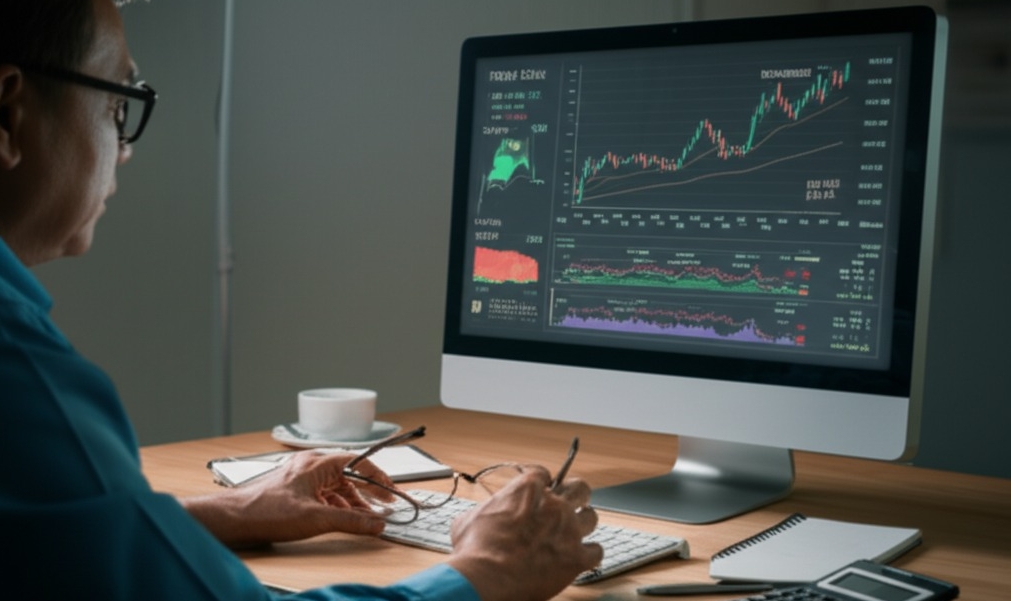
What Forex Traders Look for in Retail Sales
Forex traders dissect retail sales data to gauge consumer behavior and assess economic health. Key indicators to look for include:
| Indicator | What It Reveals | Impact on Forex |
|---|---|---|
| Consumer Spending | Signals economic growth or contraction | Direct impact on currency strength |
| Inflation | High sales may trigger inflation, influencing rates | Affects central bank decisions |
| Interest Rates | Retail sales can influence central bank policies | Key for currency valuation |
These indicators help traders predict future trends and adjust their strategies accordingly. By analyzing this data, traders can assess whether retail trends are bullish or bearish, giving them an edge in Forex trading.
Interpreting Monthly vs. Annual Retail Reports
Monthly and annual reports serve different purposes. Here's how traders break down each:
Month-over-Month (MoM): Reveals immediate shifts or seasonal changes, helpful for short-term trading strategies.
Year-over-Year (YoY): Provides a broader view, highlighting long-term shifts in consumer behavior.
Traders compare both figures to get a clearer perspective, weighing immediate data against historical trends. Seasonal adjustments in annual reports are critical, as they account for fluctuations during holidays or special events.
The Role of Market Expectations in Retail Sales
Market expectations set the stage for how retail sales data is interpreted. Traders closely track consensus forecasts to gauge the market’s sentiment. A surprising report, whether positive or negative, can lead to dramatic price changes:
Consensus Forecasts: The predicted figures that traders base their expectations on.
Unexpected Data: When actual sales deviate from predictions, it creates volatility and market reactions.
Market expectations are often as important as the actual data—knowing how the market will likely react helps traders manage their risk and adjust their strategies.
When to React to Retail Sales Reports
Knowing when to react to retail sales reports is key for Forex traders. Here's the general approach:
Right After the Release: The market typically experiences an immediate reaction, which traders can capitalize on for quick profits.
During Volatility: High volatility after the report can offer opportunities, but also brings risk.
Post-Report Analysis: After initial reactions subside, traders assess the report in the context of broader trends before making their move.
Reacting at the right moment helps traders take advantage of the immediate market shifts caused by retail sales reports.
Common Mistakes Traders Make with Retail Sales
Even experienced traders make mistakes when analyzing retail sales data. Some common errors include:
Misinterpretation: Focusing on the wrong details or taking data out of context.
Overreaction: Jumping into trades immediately after the report, without considering the bigger picture.
Ignoring Trends: Relying solely on one report without factoring in monthly or annual trends.
Avoiding these mistakes is crucial. Traders should have a solid strategy in place to prevent overreacting to retail sales data.
Understanding retail sales data and how to interpret it gives Forex traders a competitive edge. By focusing on key indicators, avoiding common mistakes, and knowing when to react, traders can make smarter, more informed decisions. The timing of your actions and your strategy will determine how successful you are in taking advantage of the opportunities presented by retail sales data.
Seasonal Trends
Seasonal trends play a huge role in retail sales and currency fluctuations. These trends impact consumer behavior and, in turn, influence Forex markets. Let's dive into the seasonal patterns and how they affect trading.

Holiday Shopping and Forex Trends
The holiday season is a big deal for retail sales—and Forex traders know it. With Black Friday and Cyber Monday bringing massive retail spikes, consumer spending impacts currency exchange rates. This uptick in spending often leads to higher trading volume in global markets, pushing currencies like the USD to perform strongly. Holiday shopping patterns can reflect broader market trends, so traders keep an eye out for those shifts. It’s a time when retail sales and market sentiment are tightly linked.
How Back-to-School Sales Impact Currency Movements
The back-to-school season might seem like just another retail event, but it significantly influences currency fluctuations. Consumers often splurge on school supplies and clothing, causing retail spending to spike. This surge can lead to currency fluctuations, with exchange rates moving based on economic impact. Education spending and supply chain issues affect not just the retail sector but broader market volatility. Traders watch this time closely to predict short-term market movements, making back-to-school sales a noteworthy event for currency markets.
Understanding the Post-Holiday Slowdown
After the holiday rush, things tend to slow down, and so does retail sales. The post-holiday season often sees a drop in consumer spending, leading to what traders call the “January effect.” The retail slowdown can signal market correction, as the inventory management shifts and demand falls. This lull in sales impacts the economic activity and can lead to a decline in currency values. Traders need to account for this slowdown when forecasting trends in the Forex market, making seasonal adjustment important during this period.
What Seasonal Trends Can Predict About Market Sentiment
Seasonal patterns are more than just a rhythm for shopping; they reveal a lot about market sentiment. Historically, certain times of the year show stronger consumer confidence and economic trends. For instance, peak shopping seasons correlate with heightened investor optimism, which can impact stock markets and currencies. Traders use seasonal analysis to develop trading strategies, relying on these patterns as market indicators. By understanding these cycles, they can predict how changes in consumer behavior will affect overall market sentiment and adjust their strategies accordingly.
Predicting Market Movements
Retail sales data is a powerful tool in predicting short-term market movements, helping traders anticipate price changes and adjust strategies.
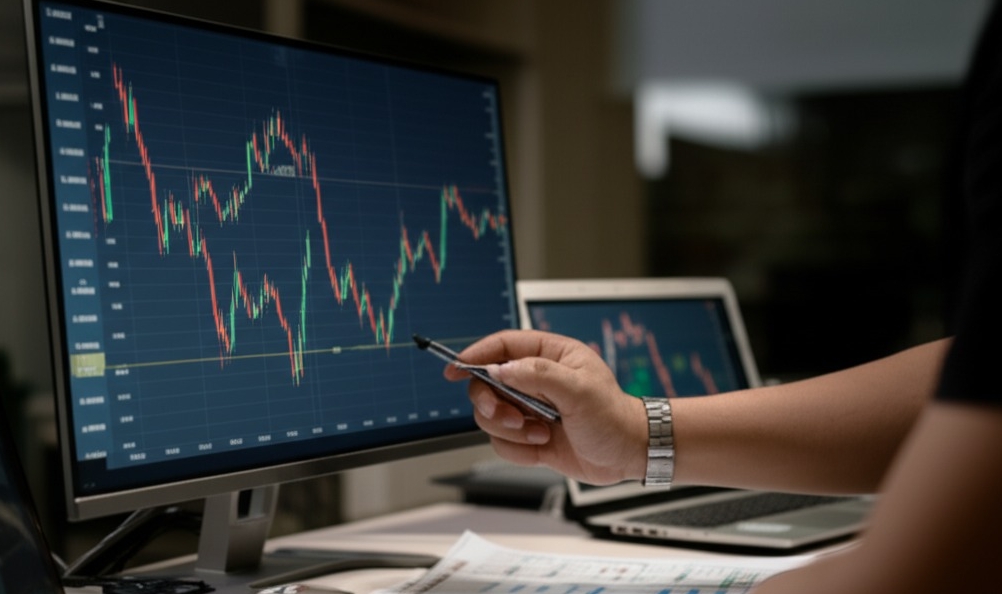
How Retail Sales Lead to Short-Term Market Movements
Retail sales data can send waves through the market, especially when figures differ from expectations. When consumer spending rises, stock prices can spike, and the volume of trades often increases as investors react to the positive outlook. Conversely, a disappointing report can trigger price volatility and cause a quick shift in sentiment, impacting order flow in real-time.
Positive sales data: Bullish trend, stronger currency, or stock market surge
Negative sales data: Bearish shift, market downturn, or increased volatility
Using Retail Data to Spot Emerging Trends
Retail data doesn’t just show how much people are spending; it reveals the pulse of consumer behavior. By analyzing patterns like product popularity and demographic trends, traders can spot market shifts ahead of time. For example, if data shows rapid growth in eco-friendly products, that could indicate a growing market for sustainable investments.
Analyze sales by category to spot strong sectors
Watch for changes in consumer demographics to predict future buying habits
Use purchase patterns to anticipate seasonal trends
Combining Retail Sales with Other Data for Predictions
To make the most accurate predictions, integrating retail sales with other economic indicators is key. For instance, combining sales data with weather trends or social media sentiment helps form a clearer picture. Traders who use machine learning can build predictive models, incorporating multiple data sources for smarter decision-making.
Combine retail data with foot traffic to gauge in-store sales trends
Integrate economic indicators for a well-rounded view of market health
Leverage sales forecasting tools to predict future consumer spending patterns
Other Key Indicators
In addition to retail sales data, Forex traders pay attention to other key economic indicators. These indicators, such as inflation and unemployment data, provide a fuller picture of the market. Let’s take a closer look at how these elements can influence retail sales predictions and the Forex market.
The Role of Inflation in Retail Sales Predictions
Inflation directly affects consumer behavior, which is why it’s closely tied to retail sales. High inflation means higher prices, which can reduce consumer spending. This, in turn, impacts retail sales forecasts and market predictions.
Inflation Rate and Retail Sales: Higher inflation can make products more expensive, leading to decreased demand and weaker retail sales.
Consumer Spending Behavior: Consumers are likely to tighten their belts during inflation, reducing overall spending, which reflects in retail sales.
Economic Forecasting and Price Trends: Predictive modeling helps traders understand how inflation could affect the price trends of currencies.
Quote: "Inflation is like the invisible hand behind consumer spending. A rise in inflation often means a tighter purse, and that impacts retail sales significantly." — Economic Analyst, Sarah Matthews
How Unemployment Data Complements Retail Sales Reports
The unemployment rate is a major factor that complements retail sales data. A high unemployment rate usually signals a struggling economy, which often results in lower retail sales. Understanding this correlation is vital for Forex traders.
Labor Market Health: Low unemployment typically signals a healthy economy, boosting consumer confidence and spending.
Correlation Between Unemployment and Retail Sales: As more people find jobs, they spend more, increasing demand for goods and boosting retail sales.
Economic Analysis and Consumer Behavior: By combining unemployment data with retail sales, traders can make more informed predictions about future market trends.
Incorporating both inflation and unemployment data alongside retail sales gives traders a clearer view of the economic landscape and potential currency shifts.
Conclusion
Retail sales data is like a GPS for Forex traders. It shows where the economy is headed, helping traders make smart moves. Strong sales? That’s a green light for currency growth. Weak sales? A warning sign that something might be off. As *financial expert John Doe* says, “Retail sales are the heartbeat of the economy.” Keeping an eye on these numbers helps traders stay ahead of the curve. In the end, reading retail sales data isn’t just about understanding the economy—it’s about using that knowledge to stay sharp and make better trading decisions.
Retail sales data measures the total sales made by retailers in a given period. For Forex traders, this data is crucial because it provides a snapshot of consumer spending, which is directly tied to the health of the economy. When consumers are spending more, it usually signals a strong economy, which can push up the value of a country's currency. Conversely, poor retail sales can indicate economic weakness, potentially leading to currency declines.
Retail sales data impacts currency markets by influencing investor sentiment. Here's how:
Strong retail sales typically indicate a healthy economy, leading to increased demand for the country’s currency.
Weak retail sales can suggest economic slowdown, causing traders to lose confidence in the currency.
Inflation concerns: If retail sales are strong but inflation is also rising, it can create uncertainty in the markets.
Reaction to reports: Currency values can shift quickly once retail sales figures are released, as traders adjust their positions based on the numbers.
Core retail sales exclude automobile sales, providing a clearer picture of consumer behavior since vehicle purchases can be erratic and influenced by factors like seasonality or special promotions. Total retail sales include all items, but they can be misleading during periods of high automobile sales, which often skew the data.
Seasonal trends are a huge factor for Forex traders since they can significantly affect retail sales data, especially during holidays like Christmas or Black Friday. Here’s how traders factor them in:
Holiday shopping: Major spending seasons can signal a boom for the economy, making the currency stronger.
Summer/End-of-year trends: These periods can be slow for retail, leading to weaker currency movements if sales are lower than expected.
Back-to-school sales: These sales can act as an early indicator of consumer sentiment heading into the holiday season.
Yes, retail sales data can give clues about the broader economy's future performance. Strong sales generally suggest consumer confidence and a robust economic outlook, while weak sales may indicate potential economic problems. Retail sales trends, when combined with other data like unemployment rates and GDP, can offer insights into where the economy is headed.
The "core retail sales report" excludes automobile sales to provide a more accurate view of consumer demand. For Forex traders, this is important because core retail sales often reflect underlying economic strength without being distorted by big-ticket items like cars, which can fluctuate unexpectedly. By focusing on core data, traders can make more informed decisions regarding market movements.
Retail sales data is typically released on a monthly basis, and it is most useful to Forex traders when it surpasses or falls short of market expectations. The release dates are consistent, often around the middle of each month, and the data can create sharp movements in currency pairs if the numbers surprise the market. Traders often use the data for short-term trades based on its immediate impact.
Government policies like tax cuts, stimulus checks, or interest rate adjustments can heavily impact consumer spending, which in turn affects retail sales. For instance:
Tax reductions can put more money in consumers’ pockets, leading to stronger retail sales.
Interest rate hikes might slow down spending as borrowing costs rise, leading to lower retail sales figures.
Stimulus packages can temporarily boost sales by providing consumers with extra funds to spend.