


Table of contents
Part 1 - What Is a Forex Spread and Why Should Traders Care?
Part 2 - Fixed vs Variable Forex Spread: Which Is Better for Traders?
Part 3 - Forex Spread Cost Impact on Traders
Part 4 - Forex Spread in Volatile Markets: What Should Traders Expect?
Part 5 - Broker Comparison: Who Offers the Best Forex Spread for Traders?
Part 6 - Forex Spread or Execution Speed: What Matters More to Traders?
What Does a Forex Spread Tell Traders? It's simple, really: the spread is the gap between what you can buy and sell a currency pair for. But here's the kicker—it’s something that can make or break your profits. If you’re a trader looking to squeeze out every possible gain, understanding spreads is essential.
Picture it like buying concert tickets. If the scalper is selling at a high price, that difference between the seller’s price and what you’re willing to pay is the spread. In forex, that “price gap” means either more or less money in your pocket, depending on how sharp you are about it.
As you dive into this article, you'll get the lowdown on how spreads affect your trading costs, which brokers offer the best deals, and how to make smarter trades without getting burned by the spread. Ready to learn the secret to trading with the odds in your favor?
What Is a Forex Spread and Why Should Traders Care?
“I remember watching the bid and ask prices flash back and forth on my screen during my first week trading forex,” recalled Marcus Li, now a full-time currency trader based in Singapore. “Every time I entered a trade, it opened in red—even though I clicked right on the price I wanted. I thought there was a glitch. That was the moment I learned what a spread was.”
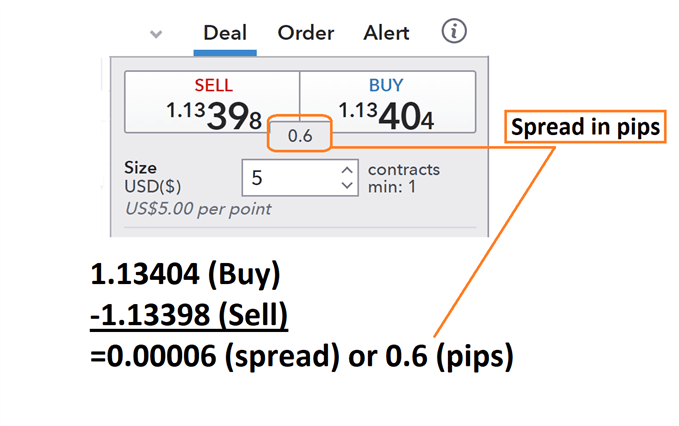
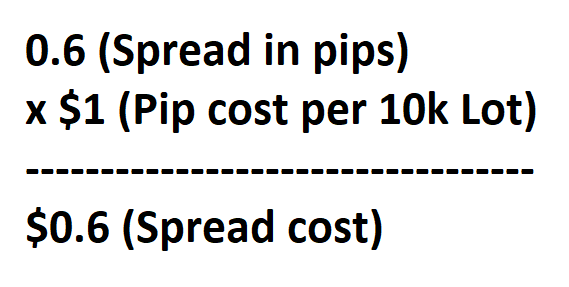
The forex spread is the difference between the bid price (the maximum price a buyer is willing to pay) and the ask price (the minimum price a seller is willing to accept). This small gap, often measured in pips (the smallest unit of price movement), is not just a technical detail—it is a built-in trading cost that every trader pays, whether they realize it or not.
“The spread is like the toll you pay before entering the highway,” explained Chris Talbot, Head of Trading Operations at FXFinest, a London-based broker licensed under the FCA. “Even if the road ahead is smooth, that cost is deducted the moment you enter.”
Unlike commissions that are clearly listed, spreads are embedded in the execution price of your trade. If the EUR/USD pair shows a bid of 1.1050 and an ask of 1.1052, the spread is two pips. When you buy at the ask, you are already down two pips unless the price moves in your favor.
How Liquidity and Volatility Affect Spreads
Forex spreads are heavily influenced by market liquidity and volatility. During major trading sessions like London or New York, liquidity tends to be high, and spreads narrow. During off-hours or sudden news events, spreads can widen significantly.
Low Liquidity = Higher Spread
High Volatility = Rapid Spread Fluctuations
For example, during the U.S. Non-Farm Payroll report or a surprise interest rate decision, spreads can spike dramatically—sometimes by 10 pips or more within seconds. “We have seen spreads jump from 0.3 to 4 pips instantly during news,” said Talbot. “If you are not ready for that, it eats your stop-loss before the market even moves.”
Why Broker Choice Matters
Top-tier brokers advertise tight spreads, especially on popular pairs like EUR/USD or USD/JPY. These low spreads attract scalpers and high-frequency traders, where every pip matters. Award-winning brokers, like Pepperstone or IC Markets, display their average spreads in real time and provide certified reports audited by independent third parties.
Pro Tips from Experienced Traders
Trader Insight: Many professional traders monitor spreads with dashboard tools that show live bid-ask gaps and even calculate total costs over time. This helps manage risk and protect profit margins.
Understanding the forex spread is not optional—it is essential. If you ignore it, you will pay more than you realize. If you understand it, you will trade smarter, make better broker choices, and protect your capital more effectively.
So ask yourself: are you trading the market—or are you letting the spread trade against you?
Fixed vs Variable Forex Spread: Which Is Better for Traders?
The type of forex spread you trade with can make or break your strategy.
When Fixed Spread Works Best
Fixed spreads stay the same no matter what’s happening in the market. That makes them perfect for traders who value cost predictability and consistent pricing.
Let’s say you’re a scalper—you’re in and out of trades fast. You don’t have time for spreads to widen unexpectedly and mess with your execution price. That’s where fixed spreads come in clutch. They’re usually offered by market maker brokers, and they work well in low volatility environments like the Asian trading session or during normal news-free hours.
“Traders who rely on tight margins and high trade frequency often prefer fixed spreads due to the transparency in transaction costs.” — Chris Owen, FX Strategy Analyst
Fixed spreads are also ideal for beginners. You’ll always know your costs upfront, making it easier to manage risk and set stop-loss levels effectively.
Risks of Using Variable Spread
Variable spreads change depending on market liquidity, volatility, and even your trading platform. They might start out looking cheaper than fixed spreads, but they can balloon fast when the market gets shaky.
Slippage During Volatility – Let’s say there’s a sudden news release—your order might get filled at a totally different price than expected.
Stop-Loss Triggers – Wide spreads can hit your stops even if the actual market direction stays stable.
Margin Pressure – If spreads widen too much, your usable margin can get squeezed, leading to margin calls or forced closures.
These risks are especially high when trading during major news events or in low-liquidity times, like late-night sessions or holidays. Variable spreads might suit more experienced traders who can navigate sudden shifts and know when to step back from the market.
How Market Hours Affect Spread
Spread behavior depends heavily on what time you’re trading. During high liquidity, spreads tend to tighten. During quiet hours, spreads often widen due to fewer active participants and lower market maker activity.
| Trading Session | Typical Spread Behavior | Volatility Level |
|---|---|---|
| London | Tightest spreads | Medium to High |
| New York | Moderate spreads | High |
| Asia (Tokyo) | Wider spreads | Low |
| Sydney | Varies, often wide | Very Low |
For example, spreads are often tightest during the London–New York overlap, when both markets are active and liquidity peaks. Conversely, during the Asian or Sydney sessions, lower trading volumes usually lead to wider spreads.
If you're aiming for cost efficiency, syncing your trades with peak market hours can help you avoid unnecessary spread-related expenses. The time you enter a trade could literally be the difference between profit and pain.
Forex Spread Cost Impact on Traders
Forex spread costs may seem minor, but they can stack up quickly. Traders need to grasp how spreads silently eat into profits—or help preserve them.
Hidden Costs in Wider Spreads
Wider spreads aren’t just an occasional nuisance—they’re a stealthy cost center in your trading. Many traders focus on commissions or leverage but forget that every extra pip in the bid-ask spread is direct money out. When markets are volatile or illiquid, spreads widen fast, and so do your costs.
Wider entry/exit prices: You buy higher and sell lower by default.
Low liquidity = poor execution: Orders get filled late, often at worse prices.
Slippage: Especially during major news releases, the actual execution price can be far off your expected price.
Commission stacking: With variable spreads, brokers may still charge extra fees, disguised as “premium execution” or “priority routing.”
Industry Insight:
“Retail traders often underestimate how much wider spreads hurt them,” says FX strategist Carla Dwyer. “Especially when combining poor liquidity with fast-moving markets—it’s a double punch.”
Low Spread Trading Benefits
Tight spreads are more than just appealing—they’re a built-in advantage for active traders. When you're in and out of trades quickly, low spreads mean less cost per transaction, which adds up to major savings over time.
Cost-saving per trade: Even a 1-pip difference can add up over 100+ trades.
Better price transparency: What you see is more likely what you get.
High liquidity improves execution: Orders are filled closer to intended price.
Boosted profit potential: You need less price movement to reach breakeven.
Here’s a simplified comparison for context:
| Spread Type | Average Cost Per Lot (USD) | Execution Risk Level |
|---|---|---|
| Low Spread (0.5) | $5.00 | Low |
| Moderate Spread (1.5) | $15.00 | Medium |
| Wide Spread (3.0) | $30.00 | High |
Pro Tip: Low spread trading isn’t just for pros. Even beginner traders benefit by minimizing unnecessary friction in each transaction. That’s how you build long-term efficiency.
Forex Spread in Volatile Markets: What Should Traders Expect?
Volatile markets can mess with your spread, fast. From news shocks to liquidity crunches, here's what traders need to know when things start heating up.
Spread Behavior During News Events
When major news drops—like U.S. job reports or central bank rate decisions—the forex market reacts almost instantly. News releases often lead to a surge in trading volume and price volatility. However, this rapid action usually comes at the cost of spread widening.
During high-impact announcements, spreads can widen 3x to 5x their normal size.
The bid-ask spread balloons because liquidity providers temporarily pull orders to avoid adverse market moves.
This makes your trading strategy during these times more critical than ever. Some traders use news trading to profit, while others sit out to avoid unpredictable swings.
Pro tip: Don’t jump in right after a major news drop. Wait for the market to digest the info—spread usually stabilizes within 10–15 minutes.
Slippage and Spread Connection
Slippage is what happens when your trade gets filled at a worse price than you expected. In volatile markets, it’s often caused by rapid changes in the bid-ask spread or a lack of executable prices at your desired level.
Market orders are most prone to slippage because they prioritize speed over price.
Limit orders protect you from bad fills but may not execute during fast-moving conditions.
A wider bid-ask spread increases the risk of paying more (or receiving less) than anticipated.
Quick example: If the quoted price is 1.2450 and volatility spikes, you might get filled at 1.2454 instead—especially if liquidity thins.
“It’s not just the spread that costs you—it’s the combo of slippage and execution delay that drains your edge.”
— Julia Martinez, Senior Analyst, FX Benchmarks
Liquidity Drops and Spread Widening
When liquidity disappears, spreads stretch like rubber bands. This often happens during unusual trading hours, political uncertainty, or after surprise news events.
Order books thin out—fewer buyers and sellers mean more volatility.
Market depth collapses, meaning large trades cause huge price shifts.
Even top-tier brokers can’t maintain tight spreads in illiquid moments.
Here’s how liquidity conditions affect average spreads:
| Market Condition | Avg EUR/USD Spread (pips) | Price Impact per $1M Order |
|---|---|---|
| Normal Liquidity | 0.9 | 0.5 |
| Medium Liquidity | 1.8 | 1.1 |
| Low Liquidity | 3.5 | 2.7 |
If you’re placing orders during low liquidity, expect poor fill quality and wider spreads. Always monitor the order flow and current market depth indicators.
Volatility Risk for Day Traders
Day traders love action, but volatile markets can either make your day or break your account. Fast price swings mean opportunity—but they also require razor-sharp risk control.
Stop-loss orders are essential. Don’t go into volatile sessions without them.
Keep position sizing conservative. One oversize trade can wipe out a week’s gains.
Use volatility filters—don’t trade right after sharp price moves unless your system is built for it.
Many pros also monitor trading psychology. You don’t want emotions driving your entries or exits when prices are flying.
Real talk: If your palms are sweating and your finger’s hovering over the “close trade” button—it's time to scale back. Volatility isn't just about reward; it's about control.
Broker Comparison: Who Offers the Best Forex Spread for Traders?
If you’re serious about trading, your broker choice—especially their spread setup—could be the deciding factor between profit and frustration.
Comparing Broker Spread Structures
Understanding spread structure is key when picking the right broker. Some brokers offer fixed spreads, while others provide variable (floating) spreads based on market liquidity and volatility.
Fixed Spreads (e.g., AvaTrade, FXTM Standard Accounts) are great if you trade during high volatility like news events. Your spread remains constant, helping with predictable costs—even if the market jumps.
Variable Spreads (e.g., Pepperstone Razor, IC Markets) offer tighter costs during quiet market conditions, but spreads can widen significantly when liquidity drops or volatility spikes.
And watch out:
Some brokers show “low spreads” but tack on commissions per lot—so your actual trading cost is higher. Always factor in both spread and fees before making your choice.
Pro Tip: Try demo accounts to compare how spreads behave in real-time between fixed and floating spread brokers. It’s a free way to test without risk.
ECN vs Market Maker Spreads
Let’s break down two major broker models: ECN (Electronic Communication Network) and Market Maker.
ECN Brokers (e.g., IC Markets, Pepperstone)
Provide direct access to interbank prices, pulling real quotes from banks and institutions.
Offer raw spreads starting near 0.0 pips, with a small commission per trade.
You see the real order book, with no interference or price manipulation.
Best for scalpers, day traders, and pros who care about execution speed and spread accuracy.
Market Makers (e.g., AvaTrade, Forex.com)
Act as the counterparty to your trade using a dealing desk model.
May widen spreads to manage risk or during low-liquidity hours.
Often offer fixed spreads, easier for beginners but can lead to re-quotes or slower fills.
"If you're relying on speed and low-cost entries, ECN is the way to go. Market makers can work, but transparency varies," says Jake Ryan, senior FX strategist at ForexEdge.
Regulations and Spread Transparency
A broker’s transparency isn’t just about marketing—it’s also about regulatory compliance. Reputable brokers are regulated by strong financial authorities that enforce rules around fair spread disclosure, best execution, and investor protection.
| Broker | Regulator | Spread Transparency Policy |
|---|---|---|
| IG Markets | FCA (UK) | Publicly posts average spreads; execution stats available |
| OANDA | CFTC (US) | Real-time spread chart; no dealing desk |
| IC Markets | ASIC (Australia) | Raw spreads visible; commissions clearly disclosed |
MiFID (EU): Requires brokers to act in the best interest of clients, including full spread reporting.
CFTC (USA): Ensures brokers disclose fees, use best execution, and avoid spread manipulation.
ASIC (AU): Monitors brokers for transparency and honest marketing.
Look for brokers that publish historical spread data and display execution quality metrics on their website. If they hide it, consider that a red flag.
Forex Spread or Execution Speed: What Matters More to Traders?
Forex traders constantly face the trade-off between tight spreads and fast execution.
Spread Size vs Fill Reliability
A narrow bid-ask spread looks great on paper, but it can be misleading if your orders aren’t getting filled quickly or fully. The execution price you get—and whether you experience slippage—can make or break your trade, especially in fast-moving markets.
A super low spread often means lower market depth, leading to partial fills.
Liquidity varies between brokers, and poor fill rate means more orders slipping out of profit range.
Traders should monitor the order book during high volatility to judge how reliable a broker is under pressure.
“You can’t rely on spread size alone. If you’re not getting your orders filled, then those 0.1 pip savings mean nothing.” — Carla Mendes, Forex Execution Analyst at FX Tech Labs
Fill Reliability Data by Broker Type:
| Broker Type | Avg. Slippage (pips) | Full Fill Rate (%) | Avg. Latency (ms) |
|---|---|---|---|
| ECN Broker | 0.3 | 94% | 120 |
| Market Maker Broker | 0.6 | 81% | 240 |
| Hybrid Model Broker | 0.4 | 88% | 180 |
Data source: Independent broker execution audit, 2024
Scalping Needs Fast Execution
Let’s be real: if you’re a scalper, execution speed isn’t optional—it’s everything. You’re not holding positions long enough to ride out latency or order book delays. Whether you're using a scalping strategy, high-frequency trading (HFT), or algorithmic trading, milliseconds matter.
Execution speed directly reduces slippage in short-term trading.
Direct market access (DMA) is a must-have to skip broker-side delays.
Trading platforms with real-time market data feeds and smart order routing are essential.
Look for brokers with servers close to major liquidity hubs (e.g., London, New York).
Don't get lured by flashy low spreads if the platform freezes every time you hit "Buy". Speed kills—or in this case, makes a killing.
Forex Spread Strategy Tips for Traders
Knowing how to trade around the forex spread can make or break your profitability. These tactical tips will give you a smarter edge in every market condition.
Timing Trades for Low Spreads
Getting your timing right can save you from unnecessary costs and poor entries. Spreads tend to narrow when liquidity is high and markets are calm. One of the best times to trade is during the London–New York overlap, when trading volume and liquidity peak.
Avoid entering trades during:
Low-volume hours (late U.S. session into early Asia)
High-volatility events like unplanned news releases
Right after weekend opens or holidays
To optimize your trades:
Set limit orders to avoid slippage
Monitor market volatility and liquidity shifts before execution
Use tools that track real-time spreads to find optimal entry and exit points
Smart traders don’t just react to price—they react to spread behavior.
Using Spread Indicators Wisely
Spread indicators are often overlooked, but they’re your secret weapon for smarter decision-making. These tools track the bid-ask spread over time and signal potential market stress, liquidity drops, or price manipulation.
Here’s how to use them effectively:
Combine spread indicators with a volatility index or market depth tool to confirm market sentiment
Look for divergence between spread behavior and price movement—this often signals a reversal or false breakout
Adjust indicator settings based on the timeframe and trading pair you're using
Remember, spread indicators work best when used as confirmation signals, not standalone tools. Use them with proper risk management to avoid jumping into messy price action.
Avoiding Spread Spikes at Open
We’ve all been there—you enter a trade right after the market opens, and bam—your stop gets hit because of a ridiculous spread spike. Welcome to the danger zone of forex timing.
Spread spikes typically occur:
At the start of trading sessions
During economic news drops
On Sunday night opens (especially after global news over the weekend)
To avoid these traps:
Wait 15–30 minutes after the open to enter a position
Use limit or stop-limit orders instead of market orders to maintain control over your entry price
Always check for scheduled economic data that could cause a pre-market ripple
“It’s not the news—it’s the reaction to the news. Watch the spread, not just the charts.” – Linda Raschke, veteran trader
Patience isn’t just a virtue—it’s a money saver.
Best Pairs for Tight Spreads
Certain currency pairs consistently offer tighter spreads due to high liquidity and heavy trading volume. These pairs are often favored by scalpers and day traders who need fast execution and minimal trading costs.
| Currency Pair | Avg Spread (pips) | Liquidity Level |
|---|---|---|
| EUR/USD | 0.1 – 0.3 | Extremely High |
| USD/JPY | 0.2 – 0.4 | Very High |
| GBP/USD | 0.3 – 0.6 | High |
| AUD/USD | 0.4 – 0.6 | Medium–High |
Key tips:
Major pairs like EUR/USD and USD/JPY have the tightest spreads across most brokers
Avoid exotic pairs unless you're managing a longer-term position with a wider stop
Look for brokers offering ECN accounts if you're serious about getting raw, low spreads with high-speed execution
Even with tight spreads, remember to check for commission fees, which can offset the spread advantage if you're not careful.
Conclusion
Understanding forex spreads is like knowing the house rules before playing a game—you wouldn’t bet without knowing what you’re up against. From hidden trading costs to sudden jumps during news spikes, spreads quietly eat away at profits if you’re not paying attention. If you’ve ever wondered why your trades close just shy of green, the answer’s often in the spread.
As Warren Buffett puts it, "Price is what you pay. Value is what you get." In forex, that “price” starts with the spread. Make it work for you—not against you.
A good forex spread for beginners is usually 1 pip or less on major currency pairs like EUR/USD or USD/JPY. Lower spreads reduce trading costs and help new traders avoid quick losses due to wide bid-ask differences. Always factor in market volatility and broker fees as well.
Forex spread directly reduces your profit per trade. For example, if the spread is 2 pips, the market must move at least 2 pips in your favor before you break even. The tighter the spread, the faster your trade can become profitable, especially in high-frequency or scalping strategies.
High market volatility, especially during news releases
Low liquidity periods, such as weekends or holidays
Exotic currency pairs, which are less frequently traded
Broker model, especially if not using an ECN/STP account
Not always. Fixed spreads offer predictability, which is useful during stable markets or for planning trade costs. However, variable spreads can be tighter during liquid periods, saving costs—but they also widen unexpectedly during volatility. The choice depends on your trading style.
The answer changes frequently due to market conditions and broker promotions. However, ECN brokers generally offer lower raw spreads (sometimes near 0.0 pips) but charge a commission per trade. It's best to compare current rates and test demo accounts.
Sudden spread widening can signal news-driven price moves
Tightening spreads may suggest calm, high-liquidity conditions
Persistent wide spreads can warn of market risk or uncertainty
Choosing low-spread brokers, especially ECN models
Trading major currency pairs, which naturally have tight spreads
Avoiding trades during news spikes or off-hours
Using limit orders instead of market orders where possible