


Table of contents
Ever placed a Forex trade and thought, “Wait, that’s not the price I clicked”? That frustrating gap is what traders call slippage—and it’s more common than you think. In this guide, “What is Slippage? Slippage in Forex Explained,” we’ll break down why your trades don’t always fill as expected, and what that means for your wallet.
Picture this: you're scalping EUR/USD during a news spike, and the market jumps like a cat on a hot tin roof. Your order goes through—but the price? It’s miles off. As Investopedia puts it, slippage is “the discrepancy between the expected price of a trade and the price at which it’s executed.”
This intro gets right to it: we’ll explain why slippage happens, how to spot it, and what smart traders do to dodge it. No fluff—just tactics you can use today to protect your pips and keep your edge.
What Is Slippage in Forex
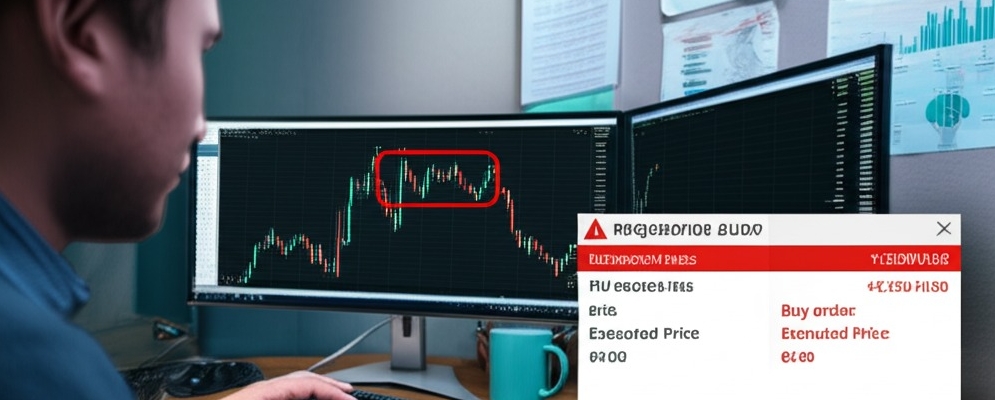
Slippage in Forex trading happens more often than most beginners realize. Here’s what it is, how it compares to requotes, and why it messes with your execution.
Meaning of Slippage in Trading
Slippage is the difference between the expected price of an order and the actual price at which it gets executed. It’s most common during volatile markets when price movements are fast and liquidity can’t keep up.
Definition: When you click to buy/sell at one price, but your order fills at another—boom, that’s slippage.
Impact: Even small differences (say, 0.3 pips) can add up, especially for scalpers or high-frequency traders.
Slippage vs Requotes Explained
Slippage happens when your order is filled at a different price due to rapid market changes.
Requotes happen when your broker can’t fill your order and asks if you want to trade at a new price instead.
“Slippage is a reality of fast markets—requotes are a choice made by your broker,” says Tom Hougaard, pro trader and author.
How Slippage Affects Your Execution
In fast-moving markets, your order might fill too late or at a worse price.
Slower fills can ruin strategies that rely on tight entry points—like scalping or breakout trading.
And yep, that 2-pip slippage? That’s actual money walking out the door.
Slippage isn’t just an annoyance—it’s a cost, and in Forex, every pip matters.
Why Does Slippage Happen
Slippage doesn’t just show up out of nowhere—it’s usually triggered by specific market conditions. Let’s break down what’s really going on behind the scenes.
Speed of Market Movements
Markets move fast—sometimes faster than you can blink. That speed, known as price velocity, is often driven by high-frequency trading or sudden volatility. When the momentum kicks in and the market gets wild, your trade might not execute at your target price. The faster the market, the harder it is to catch the price you clicked. In these conditions, algorithmic trading pushes prices forward before your order hits the books, leading to—you guessed it—slippage.
Role of Order Execution Delays
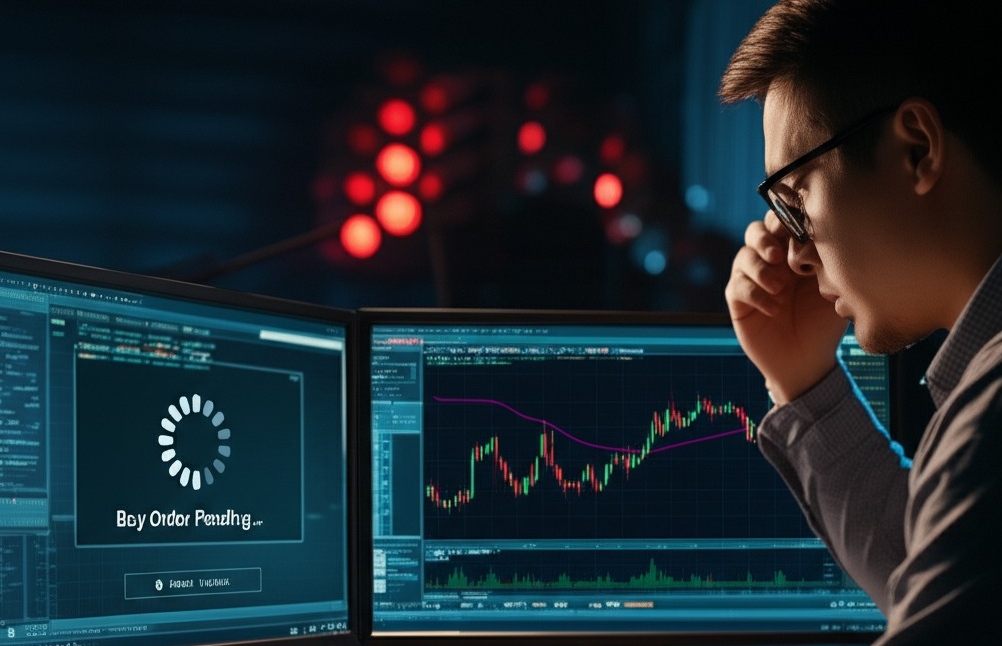
Order execution delays are like traffic jams for your trades. The time between clicking “buy” and getting filled—called latency—can cause prices to shift. A slow brokerage system, poor order routing, or overloaded trading platform can drag your execution speed down, increasing the risk of slippage.
Key factors affecting execution quality:
Platform latency
Broker’s fill engine
Order type (e.g., market vs. limit)
In short, if your platform can’t keep up, your wallet pays the price.
News Events and Price Gaps
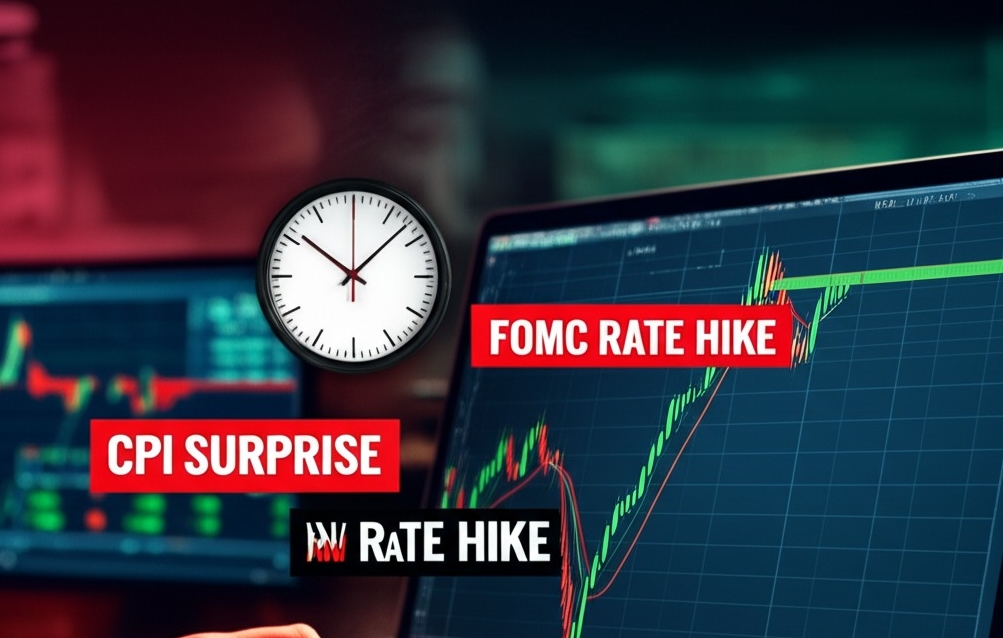
“When big news hits, markets don’t walk—they sprint.” — FX Analyst Tom Barlow
News impact events like economic data releases, earnings reports, or surprise geopolitical events often lead to price gaps. That means there’s no tradeable price between the last tick and the new one. Your market order could leapfrog into a worse price instantly.
During scheduled releases (NFP, CPI, FOMC)
After-hours or weekend market opens
When liquidity dries up and volatility spikes
It’s like stepping into traffic during a stampede—timing is everything.
Slippage in Low-Liquidity Pairs
Trading exotic or illiquid markets? Then you’ve probably seen the ugly side of slippage. When there’s not enough trading volume, the bid-ask spread widens, and your execution price may drift far from your expected price.
| Currency Pair | Avg. Spread (Pips) | Liquidity Level |
|---|---|---|
| EUR/USD | 0.6 | High |
| USD/TRY | 3.1 | Low |
| NZD/CHF | 2.8 | Low |
Exotic pairs = more price swings = more slippage. So if you’re trading the rare stuff, keep your eyes peeled and your stops tight.
Types of Slippage in Trading
Not all slippage is created equal. Let’s break it down so you know exactly what kind you’re dealing with in your trades.
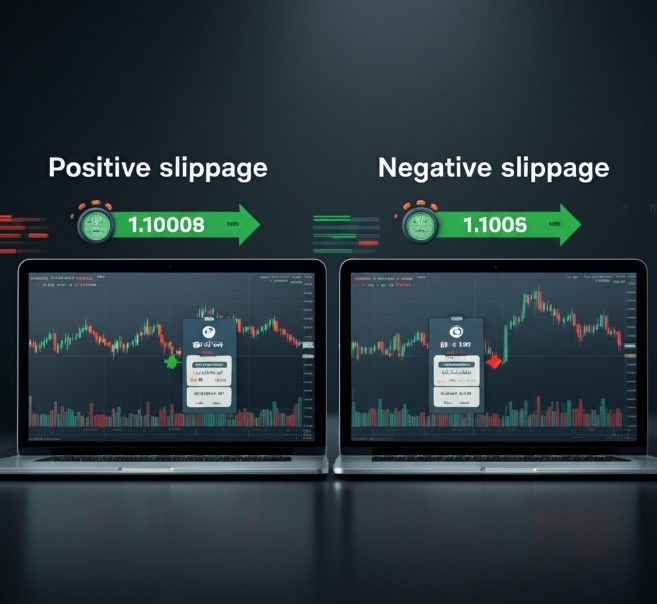
Positive vs Negative Slippage
Slippage isn’t always bad—sometimes, the market moves in your favor. That’s positive slippage: you place a buy order at 1.1000, and it fills at 1.0998—score! But when the market jumps against you, and your buy executes at 1.1005 instead, that’s negative slippage.
Positive Slippage: Better-than-expected price → More profit
Negative Slippage: Worse-than-expected price → Higher cost
Outcome Variance: Depends on market speed, order type, and liquidity
In fast markets, the outcome of slippage can flip in milliseconds.
Manual vs Automated Trade Slippage
Manual trading can be like trying to catch a falling knife—by the time your finger hits "confirm," price might’ve slipped. On the flip side, automated trading uses algorithms to execute orders at lightning speed.
Manual Trading
Human reaction delay
More prone to emotional mistakes
Execution speed = slower
Automated Trading
Runs on systems or trading bots
Reacts to price changes instantly
Lower latency = tighter fills
"Speed kills slippage—automated systems win that race." — Alex Carter, FX Strategy Analyst, MetaQuant Ltd.
Impact of Volatility and Liquidity
Volatility and liquidity are the heavyweight players behind slippage. Let’s break down how sharp market moves and thin order books can mess with your fills and widen those spreads.
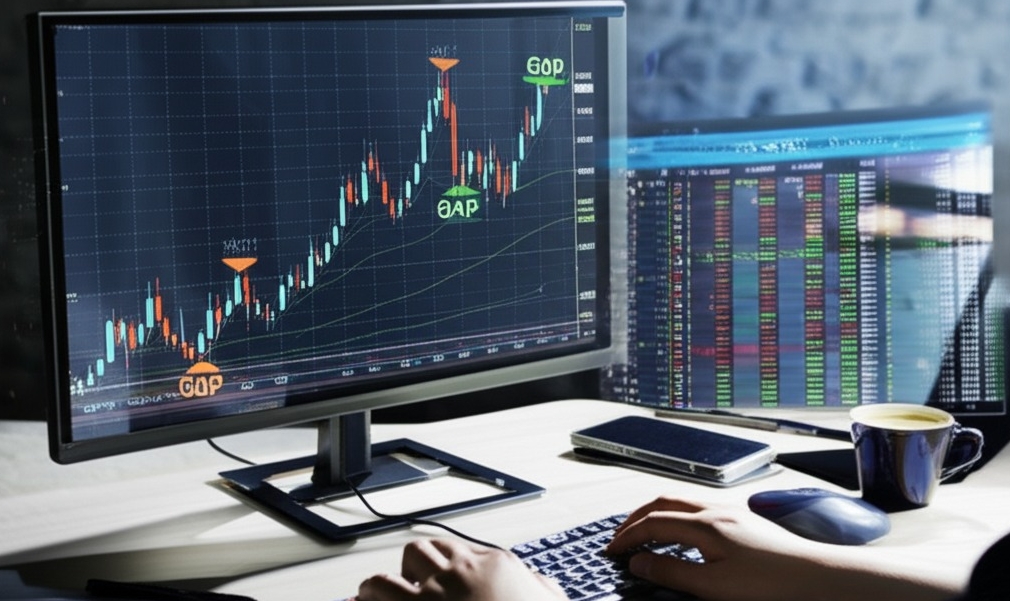
How Volatility Creates Price Gaps
Volatility throws price gaps into the ring—those sudden leaps between candle closes and opens. You’ll often see these gaps after big news events, where market volatility drives prices from point A to Z without stopping at B.
A “gap up” or “gap down” can trash your strategy if you don’t expect it. Pro tip? Watch key economic data releases and adjust your trading strategy to minimize exposure around market open.
Trading During Market Open Hours
The opening bell is like a crowded subway at rush hour—everyone’s trying to squeeze in at once. You’ll see crazy price discovery and a surge in trading volume.
While the market open offers high action and potential, it also ramps up volatility, which can crush your order execution timing. Smart traders use this window with tight risk management, or wait for the dust to settle.
Illiquid Currency Pairs and Slippage
Exotic pairs, like USD/TRY or NZD/SGD, often suffer from thin liquidity.
Wider bid-ask spreads make market orders riskier, especially during off-hours.
Limit orders help—but be prepared for partial fills or delayed execution.
Avoiding illiquid pairs during low-volume times can reduce trading costs and unpredictable price impact.
Market Depth and Order Books
Wanna see how deep the pool is before you dive? Check the order book.
Market depth shows how much volume is sitting at each price level.
Thin depth? Expect slippage.
Use Level 2 data to time entries better and avoid getting front-run on order flow.
“If you're trading size, shallow order books can hurt you. Always scout the depth before you drop in.” — Jared Martin, FX Strategist, FX Insight Group
Effects of Volume Spikes on Slippage
| Event Type | Avg Volume Spike | Avg Slippage Impact |
|---|---|---|
| NFP Release | 3.2x normal | 5–12 pips |
| FOMC Meetings | 2.7x normal | 4–10 pips |
| Flash Crashes | 5.5x normal | 10–20+ pips |
When trading volume spikes, the order book can’t always keep up. That leads to slippage, especially if you're using large market orders. Big players hitting the button all at once? That’s how we get flash crashes.
Order Types and Slippage Control
Choosing the right order type can make or break your trade.
Market Orders and Price Slippage
Market orders are like telling your broker, “Get me in—now!” But that speed comes at a cost. Since you accept the best available execution price, slippage can sneak in fast, especially when liquidity’s low or volatility's high.
Slippage widens when the bid-ask spread stretches during fast markets.
Large orders can "eat through" the order book, triggering worse prices.
With instant execution, you’re at the mercy of whatever’s available.
Pro tip: Check the market depth and avoid executing big positions in thin markets.
Limit Orders to Control Entry Price
A limit order is your personal gatekeeper—it says, “Don’t fill unless the price is just right.”
Set your target price carefully—it becomes your entry price.
Pending orders like “Good ‘til Cancelled” help you hold that line.
These offer total price control, but risk not being filled during sharp moves.
This strategy is a favorite for patient traders building entry points in well-structured markets. As one trader put it, “Limit orders let you trade your plan, not your panic.”
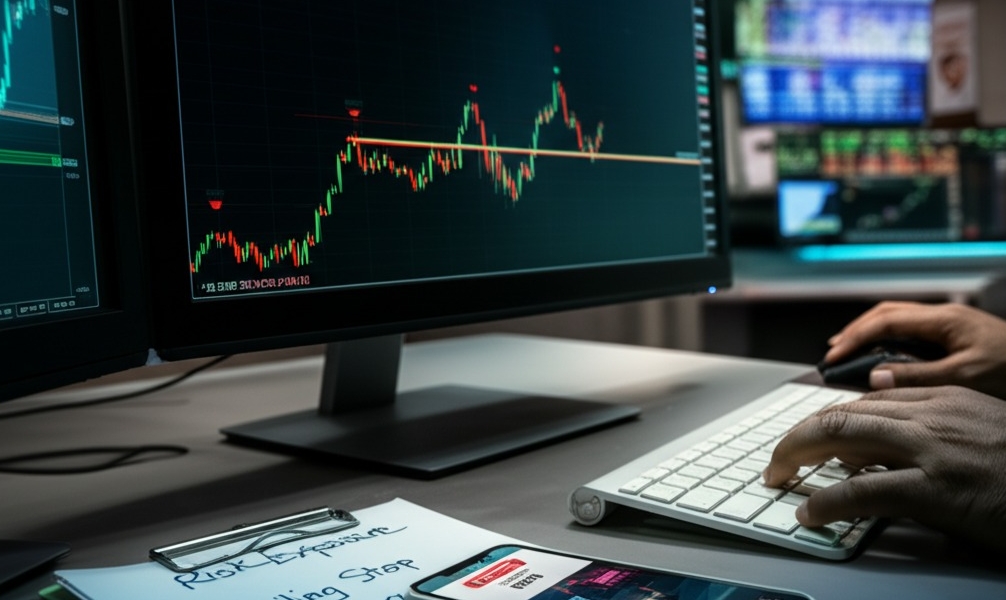
Stop-Loss Orders and Risk Exposure
Stop-loss orders are your safety net in a stormy market. Once a price hits your stop price, the trade exits—ideally minimizing your losses.
Use trailing stops to lock in profits while adapting to volatility.
Position sizing is key—don’t risk too much on any single move.
Stops are crucial for capital protection, especially during surprise news drops.
Slippage still happens here, but without a stop-loss, you're just free-falling.
Slippage Calculation Example
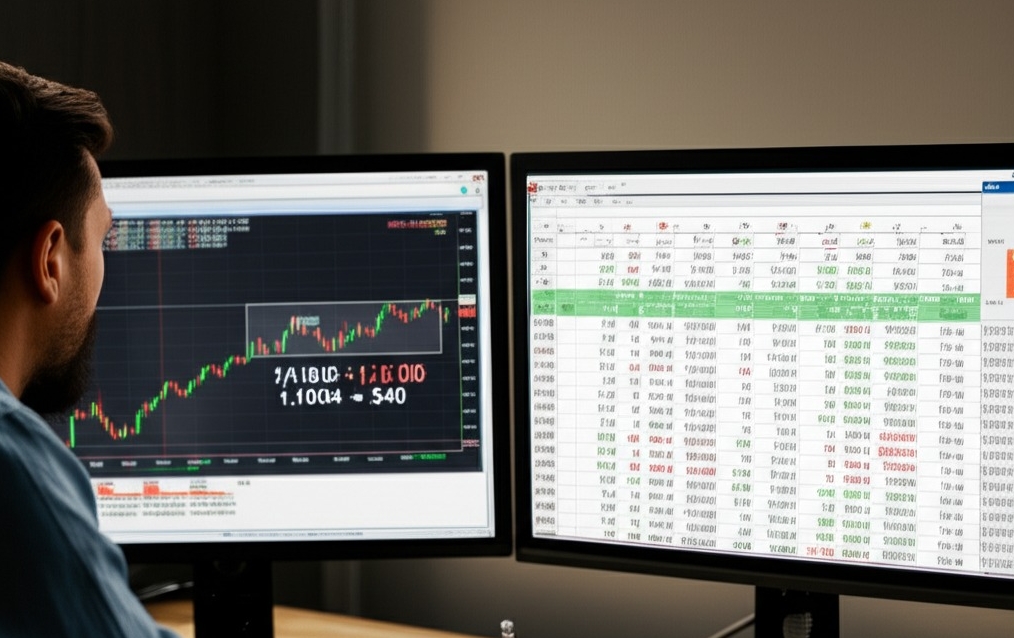
When it comes to forex slippage, numbers speak louder than theory. To understand how slippage affects order execution, I spoke with Kyle Matthis, a prop trader with over ten years on the charts. “Slippage calculation is where traders either panic or plan,” he told me. “If you do not know the price difference between what you wanted and what you got, you are flying blind.”
Here is a quick breakdown of the slippage formula:
Slippage = Execution Price − Expected Price
Converted to pips = (Price Difference ÷ Pip Value)
Let us run a real trade example:
You place a buy order on EUR/USD at 1.1000, expecting that price. Your broker executes at 1.1004.
Price difference = 0.0004 = 4 pips
On a standard lot (100,000 units), that is $40 off your expected fill.
Now imagine this happening across 50 trades a month. That is $2,000+ in silent costs. Forex slippage is not just a small error—it compounds over time and eats into gains.
The U.S. Commodity Futures Trading Commission (CFTC) encourages traders to review execution details with brokers and ensure order transparency. Traders like Kyle recommend logging every order, comparing expected price to filled price, and reviewing that log weekly.
This habit builds clarity, and in this market, clarity equals confidence.
How to Reduce Slippage Risk
Forex traders can’t dodge slippage completely, but there are smart, proven ways to dodge the worst of it. These practical tips can make a real difference.
Choosing High-Liquidity Trading Hours
Liquidity is king. Trading during the London–New York session overlap usually means tighter spreads and less slippage. Avoid thin hours like the Sydney session, where volume is low and price jumps are common.
| Trading Session | Market Open (UTC) | Key Liquidity Feature |
|---|---|---|
| London | 08:00 | Highest volatility, high volume |
| New York | 13:00 | Strong overlap with London |
| Tokyo | 00:00 | Lower volatility, decent flow |
Using Limit Orders Strategically
Limit orders act like bodyguards for your trades. Instead of saying, “Buy at whatever,” you’re saying, “Buy only at this price or better.”
Lock in desired entry price
Prevent chasing the market
Improve risk control
Mix with stop-loss and take-profit to cover all bases.
Avoiding Major Economic Announcements
Big news drops like Non-Farm Payrolls or central bank decisions can send prices sprinting. That means crazy spreads and major slippage.
Check the economic calendar daily
Avoid placing new trades 15 minutes before and after major reports
Only trade news if you're built for speed and risk
“The market doesn't wait for laggards,” says John Kicklighter, Chief Strategist at DailyFX. “Events like NFP are slippage magnets.”
Stable Internet and VPS Hosting
Lag can kill your trade. If your internet drops or your order freezes mid-click, you're toast.
Use a high-speed, wired internet connection
Or better—get a VPS close to your broker's server
Look for 99.9% uptime and low latency
Works great with MT4/MT5 for fast execution
Trading with ECN Forex Brokers
ECN brokers route orders to the interbank market, giving you tighter spreads and no dealing desk tricks.
No requotes
Raw spreads + commission
Higher transparency
Ideal for scalping and high-frequency trading
Avoid market makers if you're serious about execution.
Monitoring Broker Execution Speed
Not all brokers are created equal. Slow execution = bigger slippage.
Average execution times (under 100 ms is solid)
Fill rates and slippage reports
Platforms that offer real-time execution metrics
Test demo accounts, then compare to live conditions to catch red flags early.

Best Brokers for Low Slippage
“When your order execution lags by even half a second, in Forex, that is the difference between making a pip or losing one,” says Daniel Greene, a full-time currency trader with over 12 years of experience on ECN platforms. He recalls trading during the 2023 CPI release. His broker’s execution speed held firm—delivering a fill within 0.3 pips of his target. “That kind of reliability is why I stick with brokers who work with top-tier liquidity providers.”
Forex brokers with low slippage often share common traits:
Tight spreads and low commissions on major currency pairs
STP or ECN execution models, avoiding dealing desk delays
High-quality trading platforms such as MetaTrader 5 or cTrader
Regulation from trusted authorities like ASIC, FCA, or NFA
Transparent trading conditions and stable connection infrastructure
Reputable brokers such as IC Markets, Pepperstone, and ThinkMarkets consistently rank high in slippage control. According to Myfxbook’s verified slippage statistics, they report execution speeds below 100ms during peak hours.
Industry awards like “Best Forex Execution” from Global Forex Awards and user ratings on Trustpilot back this up ?. Always review account types, order execution history, and platform speed tests before choosing. Slippage is not just a number—it is your cost of doing business.
Conclusion
Slippage can feel like getting short-changed at the register—you expected one price, but walked away with something else. But now, you’ve seen how it works, why it happens, and how to stop it from draining your trades.
Don’t just click and pray. Time your entries, pick your brokers smartly, and let limit orders be your best friend.
As trading coach Mark Douglas said, “You don’t need to know what’s going to happen next to make money.” You just need to control what you can.
Slippage in forex happens when your trade is executed at a different price than you expected. Let’s say you click "buy" at 1.1050, but your trade goes through at 1.1054 instead. That 4-pip difference? That’s slippage. It’s not always a bad thing, but it can definitely catch you off guard.
Nope—not always. Most people think of slippage as something that works against them, but sometimes it can actually go in your favor. That’s called positive slippage—when your order fills at a better price than expected. It’s not super common, but it does happen, especially during fast-moving markets.
Trade during high-liquidity times (like London or New York sessions)
Use limit orders instead of market orders
Avoid trading during major news releases
Choose brokers known for fast execution
ECN or STP execution models
Deep liquidity pools
Low-latency trade servers
Transparent slippage/requote policies
Good question! Spread is the difference between the bid and ask price. It’s set by your broker. Slippage, on the other hand, is the difference between the price you expected and the price your trade actually filled at. They both affect your cost, but they come from different sources.
Honestly? Not really. Even pros deal with it. You can minimize it by using smart order types, avoiding volatile times, and picking a solid broker. But in fast markets, slippage is just part of the game. The key is to control it—not fear it.
It depends on your strategy. If you’re holding trades for weeks or months, a few pips of slippage probably won’t break your plan. But if you’re scalping or day trading, every pip counts—and slippage can eat into your edge pretty fast.