


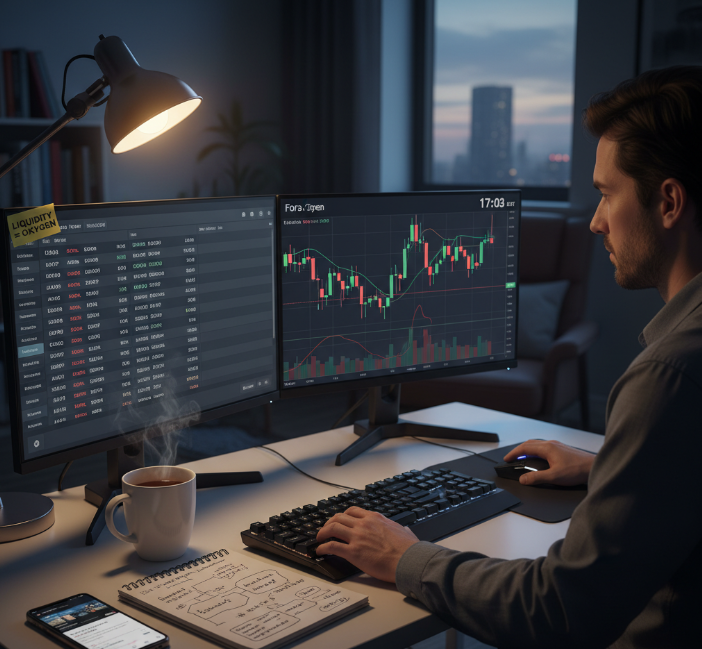
You ever notice how Sunday nights carry that weird buzz in the air? Like your brain’s still halfway through a weekend barbecue, but your gut knows Monday’s lurking, already sharpening its claws. For Forex traders, though, that hum isn’t anxiety—it’s opportunity. The forex trading hours crack open at 5 PM EST on Sunday with Sydney kicking off the party, and if you're quick, you can catch market ripples before they turn into waves. Miss it? You might be chasing shadows all week.
“Liquidity is like oxygen during early sessions,” says Marcus Dellarosa, senior analyst at EasyCashBackFx (Q1 2024 Trading Desk Report). “Without fast execution and tight spreads from minute one… you’re basically running uphill with a parachute.”
What Time Does Forex Market Open on Sunday?
The forex trading hours kick off every Sunday evening and set the rhythm for global currency action. Let’s break down what really happens when the market wakes up.

Sunday Trading Hours for Major Currency Pairs
• The Forex market officially opens at 5 PM EST on Sunday, but not all currency pairs spring to life immediately. • AUD/USD, USD/JPY, and other Asia-Pacific majors usually get moving first due to the early opening of the Sydney session. • Liquidity is still thin during these early hours—expect wider spreads and less price movement until Tokyo joins the party.
→ Tip: If you’re trading during this time, watch out for those pesky weekend gaps that can throw off your strategy.
Comparing Open Times: London vs. Sydney vs. Tokyo
Group A – Early Risers:
Sydney session: Opens around 5 PM EST, kicks off the global cycle.
New Zealand often beats Sydney by a hair—adding a few minutes’ head start to volatility.
Group B – Asian Movers:
The Tokyo session picks up next around 7 PM EST, bringing more volume into play.
This is when pairs like the USD/JPY and regional crosses start behaving more predictably.
Group C – European Powerhouse:
The real firepower begins with London at about 3 AM EST Monday, but it doesn’t influence Sunday prices much.
However, traders already start positioning themselves based on what happened over the weekend.
Each region shapes how different major pairs move. Timing your entries with these sessions? That’s half the game won.
How Time Zones Affect Forex Trading on Sundays
The market starts ticking from UTC+12, thanks to New Zealand.
As clocks shift across regions, so does liquidity—creating uneven flow.
Volatility often spikes as Sydney hands off to Tokyo; price gaps may appear if news broke over the weekend.
Traders working across multiple zones need to sync their strategies accordingly—or risk missing key moves.
As FXCM notes, trading around the weekend period can involve extra risk due to low liquidity, unexpected news, price gaps and slippage. So yeah, tread carefully until volume builds up.
Key Trading Platforms: MetaTrader 5 vs. cTrader for Sunday Trading
MetaTrader or cTrader? Depends on your vibe—and how geeky you want to get with charts.
? MetaTrader 5: – Offers deep technical analysis tools right out of the gate – Supports algorithmic trading even during lower-volume periods – Can feel clunky if you're new, but pros love its data depth
? cTrader: – Sleek interface that’s easy on tired eyes come Sunday evening – Faster order execution during slow sessions like early Sundays – Better suited for discretionary traders who rely on clean visuals
Both platforms support full access once markets open—but remember, just because you can trade doesn’t mean you should jump right in at market open. Let liquidity settle first; then hit it smartly when things pick up around Tokyo's wake-up call.
By syncing platform choice with your preferred trading style—and understanding how each handles those early-hour quirks—you’ll be better prepped when those elusive pips show up after a sleepy start.
The Importance of Knowing Forex Trading Hours
Understanding when the forex market is most alive can give you a serious edge. Timing isn’t just a detail—it’s the whole playbook.
Why Time Matters: Understanding Market Sessions
The forex market runs 24/5, but not all hours are created equal.
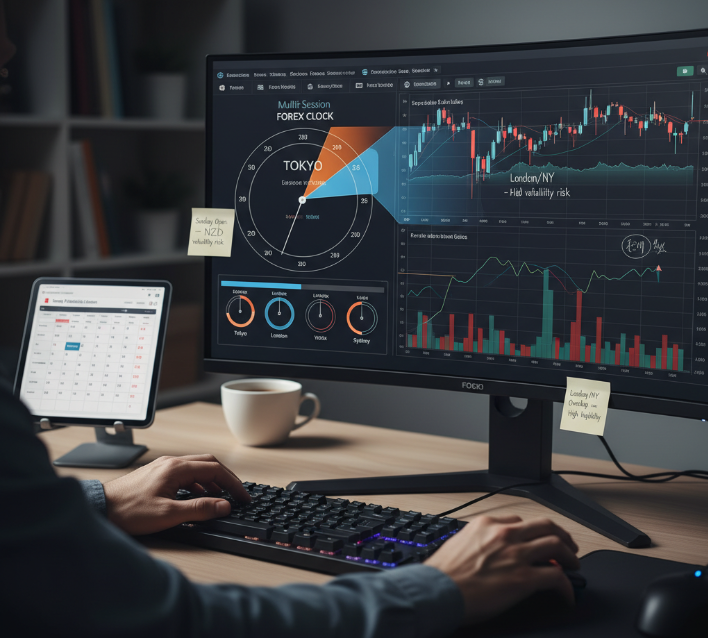
Liquidity spikes during key sessions like London, New York, and Tokyo, while early hours such as the Sunday open in New Zealand tend to be quieter.
Each session has its own flavor:
The Tokyo session often sees movement in JPY pairs
The buzzing overlap between the London market and New York drives major volatility
The early calm of the Sydney session, especially on Sunday, helps traders prepare positions
Timing your trades with these fluctuations can mean tighter spreads, quicker fills, and better setups.
As OANDA explains, liquidity and volatility can change meaningfully from session to session—often affecting spreads and execution quality.
The Impact of Economic Events on Sunday Trading Hours
The quiet hum of the weekend doesn’t mean markets sleep. When economic data drops late Friday or over the weekend—think GDP surprises or central bank chatter—it can shake up the calm waters of the Sunday start.
Short bursts of volatility often hit right after the Sunday evening bell rings in the tiny but mighty market of New Zealand, marking the global week’s first tick.
You’ll want to watch:
Central bank speeches released over weekends
Political elections concluding on Sundays
Major financial institution reports published before Asian markets open
These events can cause gapping at open and whipsaw movements during low liquidity periods—especially affecting AUD and NZD positions due to their proximity to that earliest timezone.
Risk Management Strategies to Apply During Open Hours
Sharp price moves + thin liquidity = recipe for disaster if you're unprepared. Here’s how savvy traders handle early-week risk:
? Use tight but strategic stop-losses based on recent support/resistance zones from Friday’s close.
? Reduce position size until normal volume returns—especially when trading exotic or low-volume pairs.
? Avoid placing large trades right at the Sunday open unless there’s a compelling reason backed by news or technicals.
? Monitor spreads closely—brokers may widen them significantly during this time due to low participation.
? Stay alert during overlaps; even though Sydney kicks off first, real action tends to heat up once Tokyo joins in.
By syncing your strategy with actual trading conditions—not just theory—you make smarter calls during those early moments when everyone else is still shaking off their weekend haze.
4 Essential Points About Forex Trading Times
Understanding forex trading hours helps you avoid nasty surprises and catch the best action. Here are four key tips to get you started right.
Market Session Overlap: London and New York Benefits
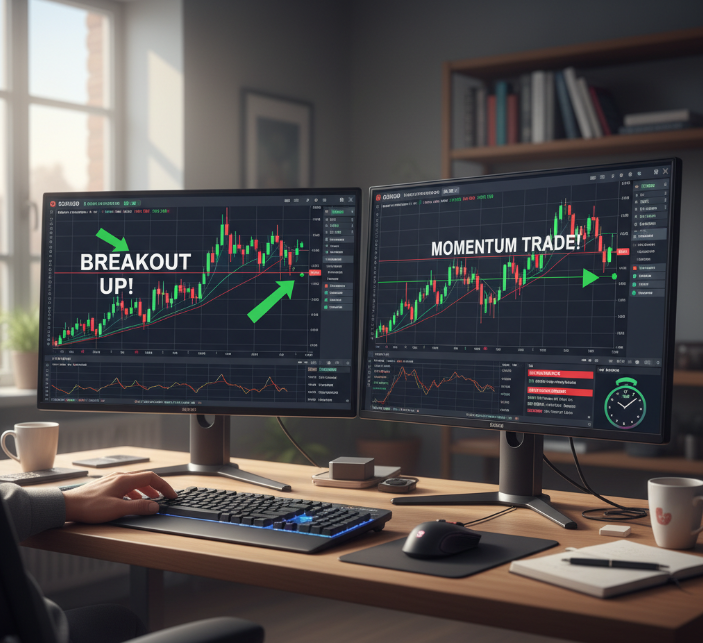
When London and New York sessions overlap, things heat up fast. Here's why:
High liquidity means trades get executed quicker with less slippage.
Tighter spreads help you save on transaction costs.
Major currency pairs like EUR/USD and GBP/USD show strong movement.
It's prime time for breakout strategies due to increased volume.
News from both regions drops during this window, creating volatility.
This overlap usually happens between 12 PM and 4 PM GMT. If you're active during these forex trading hours, you're in the sweet spot.
Key Indicators to Watch During Sunday Market Opening
Sunday's open can be tricky—low volume, weird price gaps, and sudden spikes. To stay ahead:
Check the Moving Average to see if price momentum is continuing or reversing after the weekend pause.
Use the MACD indicator to confirm trend direction or spot divergence before entering early trades.
Watch Sunday candles carefully—they often hint at how Monday might unfold.
Keep an eye on major pairs like AUD/JPY, especially since the market kicks off with the Sydney session tied closely to New Zealand’s timezone (GMT+10).
Adjusting Orders: Best Practices for Buy Limit and Stop Orders
To protect your account while catching moves early:
• Place a Buy Limit order below current price if you expect a retracement before a bounce. Great when support zones hold strong.
• Use Buy Stop orders above current levels when prepping for breakouts—especially effective during session overlaps or news releases.
• Always match order types with market conditions; don’t set stops too tight during low-liquidity times like late Sunday.
Mastering these tactics means smarter entries even when markets are thin or unpredictable during off-hours in global forex trading hours.
Leverage and Risk-Reward Ratio on Sunday Trading
Sunday evenings? Tempting—but risky. Here's how to play it safe:
Step 1: Lower your position size; volatility can be deceiving without volume behind it.
Step 2: Stick with a conservative risk-reward ratio—aim at least 2:1 even if setups look juicy.
Step 3: Reduce your leverage; overexposure on thin liquidity is a quick path to regret.
Smart traders using platforms like EasyCashBackFx know that timing matters just as much as strategy in navigating global forex trading hours effectively—even more so when markets reopen after a weekend lull.
Pros and Cons of Trading at Sunday Forex Open
Sunday trading opens a window into early-week action, but it’s not all smooth sailing—timing, tools, and tactics matter.
Advantages of Early Trading: Market Volatility and Opportunities
Catch the weekend gap: When the Forex market reopens after the weekend, price gaps often appear due to geopolitical news or economic events that hit while markets were shut.
High volatility = fast profits: Those sharp movements in price during early Sunday opening hours can lead to quick wins if you’re positioned right.
Sydney session kickoff: The first few hours of the Sydney session, overlapping with the New Zealand open, can offer unique arbitrage opportunities before London or New York wake up.
This is where experienced traders use their edge—timing entries during volatile bursts when others are still asleep.
Disadvantages of Sunday Trading: Liquidity and Spreads
Trading right at the Sunday opening has its downsides too:
Liquidity is super thin—many big players haven’t even logged in yet.
Spreads widen like crazy as brokers adjust for risk.
Slippage becomes a real issue when executing market orders during these quiet hours.
So yeah, while those early moves can be juicy, they come at a cost—and that cost is usually baked into your spread.
Key Order Types for Sunday Traders: Market Execution vs. Trailing Stop
• Market Execution: Ideal when you want instant entry based on current prices—but risky when spreads are wide during low liquidity times like early Sunday.
• Trailing Stop: Smart way to lock in gains as price moves favorably; it adjusts dynamically instead of staying fixed like a traditional stop-loss.
• Combo Strategy: Some traders use Market Execution for entry and then immediately set a Trailing Stop once in profit territory—especially useful during unpredictable Sunday swings.
Both order types have their place depending on your risk appetite and how wild the market's acting post-weekend.
Understanding Forex Market Opening Hours on Sunday
The Forex market kicks back into gear late Sunday evening UTC.
The very first move? It starts with the tiny but mighty New Zealand market, followed closely by Australia’s Sydney session.
These initial sessions tend to be slow-moving but crucial—they set tone and tempo for what’s coming Monday morning.
If you're watching those early candles form, knowing exactly when each region wakes up gives you an edge over sleepy-eyed traders still adjusting from their weekend break.
MetaTrader 5 Capabilities for Sunday Trading
MetaTrader 5 (MT5) shines bright for weekend warriors:
• Built-in support for custom indicators tailored around low-liquidity conditions typical of Sundays • Seamless integration with brokers offering extended-hour access—including some who open earlier than others • Use of Expert Advisors (EAs) that auto-adjust strategies based on spread behavior detected during late-Sunday sessions
And don’t forget MT5's mobile app—it lets you manage trades from anywhere while sipping your evening coffee before Monday madness hits full throttle.
cTrader Advantages for Sunday Forex Trading
Short answer? Precision meets flexibility:
— With advanced charting tools built into the core platform, analyzing those tricky gaps at the start of trading gets easier than ever before. — Algorithmic traders love cBots—they adapt well even under weird liquidity conditions seen around most Sunday trading windows. — Depth-of-market visibility shows you where buyers/sellers really sit—not just what your broker wants you to see—which matters big time when spreads go nuts after reopening hours kick off.
The clean interface doesn’t hurt either—it’s one less thing distracting you from making smart calls once markets reopen globally through platforms like EasyCashBackFx.
How the Forex Market Opens on Sunday
Kicking off the trading week, Sunday’s open can catch traders off guard. Here's what really goes down when the forex market flips back on.
The Significance of the First Hour: Market Reactions
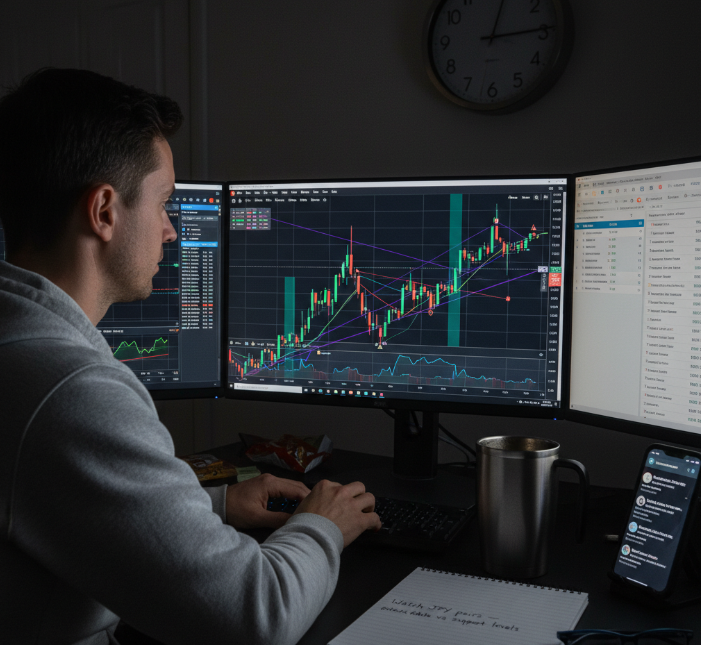
Volatility spikes are common as markets digest weekend headlines.
Traders often react to geopolitical news, central bank leaks, or surprise economic data.
Gaps in pricing between Friday close and Sunday open can offer both risk and reward.
Watch for price jumps or dips in major pairs like USD/JPY, especially if there's been political drama.
Liquidity is thinner during this period—meaning spreads widen and slippage risk increases.
Early moves don't always reflect long-term trends; they're more like knee-jerk reactions.
Patience pays. Jumping in too early without reading the room can lead to whiplash trades.
The first hour is a bit like walking into a party mid-fight—emotions are high, and clarity is low. Smart traders wait for things to settle before making their play. If you're watching forex trading hours, this is one of those moments where timing matters more than ever.
How Review of Currency Pairs Affects Sunday Open Trades
• Reviewing key pairs like EUR/USD, GBP/JPY, or even exotic ones helps spot patterns that might carry over into Sunday night.
• Technical setups from Friday often still apply—double tops, breakouts, RSI divergences—they don’t just vanish over 48 hours.
• Pair-specific fundamentals also matter: Did Japan release inflation data? Is there Eurozone instability brewing?
→ Step 1: Pull up your charts from Friday's close → Step 2: Mark support/resistance zones → Step 3: Check if any weekend events could disrupt those levels → Step 4: Set alerts instead of jumping in blind
Every pair has its own personality. Some behave well at open; others throw tantrums. By aligning your strategy with how each currency pair typically reacts at market reopen, you’re less likely to get blindsided by sudden reversals during those tricky early forex trading hours.
Interactive Brokers vs. TradingView: Best Tools for Monitoring Opens
Interactive Brokers and TradingView both bring something solid to the table—but they serve different purposes when it comes to tracking those twitchy Sunday opens.
? Use Interactive Brokers when:
You want real-time execution tied directly to your analysis
Depth-of-market data is crucial
You’re juggling multiple asset classes alongside currencies
? Use TradingView when:
You need slick charting tools with customizable indicators
Social sentiment matters (what other traders are saying)
You want alerts across devices without opening a full platform
Both platforms let you stay sharp during early forex trading hours—but combining them gives you an edge. Think of it as using binoculars (TradingView) while holding a sniper rifle (IBKR). And hey, if you’re looking for forex cashback while using either tool? EasyCashBackFx might be worth checking out—it puts money back in your pocket through forex rebates on every trade without changing how you operate. If you want a quick estimate of how much you could earn back, try the forex rebate calculator.
In short: Know your tools, know your pairs, and know that Sundays aren’t chill—they’re strategic.
References
Forex Market Hours: Can You Trade 7 Days a Week? - https://www.investopedia.com/terms/forex/f/forex-market-trading-hours.asp
Forex Market Hours - Forex Market Time Converter - https://www.babypips.com/tools/forex-market-hours
Forex Trading Sessions & Best Times to Trade - https://www.oanda.com/us-en/trade-tap-blog/trading-knowledge/when-is-the-best-time-for-forex-trading/
Trading Times | Forex Market Hours - https://www.oanda.com/bvi-en/cfds/hours-of-operation/
How Do Orders Execute Over The Weekend? - https://www.fxcm.com/markets/insights/how-do-orders-execute-weekend/
Can I place trades during the weekend? - https://www.fxcm.com/markets/help/rollover-can-i-place-trades-during-the-weekend/
Forex Market Hours - https://www.forexbrokers.com/education/forex-market-hours
Forex Trading Hours FAQ
What time does the forex market open on Sunday for major currency pairs?
The forex market opens with the Sydney session at 5:00 PM EST on Sunday, gradually bringing AUD/USD and USD/JPY back to life after the weekend.
Liquidity is typically thin during the first hours, resulting in wider spreads and modest price movement.
Traders using MetaTrader 4 often observe small candles and low volatility before stronger momentum arrives later with the London session.
How do different forex trading hours affect my strategy?
Each trading session has a distinct rhythm that influences volatility, liquidity, and price behavior.
London session: High volatility and volume, often ideal for Buy Limit strategies with tight Stop Loss placement.
New York session: Strong momentum driven by GDP growth rate releases and inflation data.
Many traders track the Asian–London overlap on cTrader using Bollinger Bands and RSI alerts to adapt strategies to shifting market pace.
Why is the first hour of Sunday’s market important for traders?
Weekend news such as unexpected interest rate decisions can trigger sharp opening gaps, especially in pairs like USD/CHF.
Early volatility can quickly challenge position sizing and risk management assumptions.
Traders often rely on MACD signals during this hour to identify emerging trends before liquidity fully returns.
Which platforms are best for monitoring Sunday forex market opens?
Interactive Brokers: Advanced analytics and deep historical order flow data.
TradingView: Clean charting with Moving Averages and Fibonacci retracement tools for early-session structure.
MetaTrader 5: Fast execution, useful for placing trailing stop orders during narrow Sunday windows.
How should I manage risk during volatile Sunday openings?
Anchor Take Profit levels to prior-week highs and lows for realistic expectations.
Avoid excessive leverage unless confirmed by higher-timeframe Fibonacci retracement confluence.
Treat Stop Loss placement as essential protection, especially when USD/CAD reacts to early Consumer Confidence data leaks.